

Apixaban
Also known as: Eliquis, apixiban
Overview
Apixaban is a prescription direct oral anticoagulant (DOAC) used to reduce the formation of harmful blood clots. It is commonly prescribed in conditions where clotting risk is elevated, including atrial fibrillation not caused by a heart valve disorder, deep vein thrombosis (DVT), pulmonary embolism (PE), and in some cases after major orthopedic surgery. Unlike older anticoagulants such as warfarin, apixaban works through a more targeted mechanism and typically does not require routine INR blood monitoring, which has made it an important medication in modern cardiovascular and clot-prevention care.
Apixaban works by selectively inhibiting factor Xa, a key enzyme in the coagulation cascade. By reducing thrombin generation and clot formation, it lowers the risk of stroke and venous thromboembolism. At the same time, because it affects normal clotting, its main safety concern is bleeding, including gastrointestinal bleeding, bruising, nosebleeds, and in rare cases serious internal or intracranial hemorrhage. This balance between preventing dangerous clots and increasing bleeding risk is central to how the medication is understood clinically.
Public interest in apixaban often extends beyond conventional prescribing information. Many people look for information about natural blood-thinning supplements, possible interactions with herbs, and whether traditional or integrative approaches can support cardiovascular health while someone is taking an anticoagulant. This is an important area of caution: supplements and herbal formulas sometimes have additive effects on bleeding risk or may alter drug metabolism. Because of this, apixaban is frequently discussed not only as a medication, but also in the broader context of integrative medicine, supplement safety, and medication stewardship.
From a broader health perspective, apixaban represents a shift toward more predictable oral anticoagulation with fewer dietary restrictions than older agents. Even so, it remains a high-risk medication in the sense that small changes in bleeding risk, kidney or liver function, concurrent medications, or trauma can meaningfully affect safety. Any questions about combining apixaban with over-the-counter products, herbal preparations, or alternative medicine approaches are generally considered appropriate to review with a licensed healthcare professional familiar with anticoagulation management.
Medical Perspectives
Two Ways of Seeing Health

Western
scientific · clinical
Western medicine applies science, technology, and clinical experience to treat symptoms through testing, diagnosis, and targeted intervention.

Eastern
traditional · alternative
Eastern medicine focuses on treating the body naturally by applying traditional knowledge practiced for thousands of years, emphasizing balance and whole-person wellness.
Gold Bamboo presents both perspectives side-by-side so you can make informed decisions. We don't advocate for one over the other — your health choices are yours.
Western Medicine Perspective
Western Medicine Perspective
In conventional medicine, apixaban is understood as a factor Xa inhibitor with strong evidence for preventing thromboembolic events in selected patient populations. Major clinical trials have evaluated it for stroke prevention in nonvalvular atrial fibrillation, treatment of DVT and PE, and prevention of recurrent venous thromboembolism. Compared with warfarin, studies have shown that apixaban offers a predictable anticoagulant effect, fewer food interactions, and no routine coagulation monitoring in most patients. In some settings, research has also suggested a lower rate of certain major bleeding outcomes, including intracranial hemorrhage, relative to vitamin K antagonists.
Conventional safety assessment focuses on bleeding risk, kidney and liver function, age, body size, concurrent medications, and medical history. Clinicians also evaluate for interacting drugs that affect CYP3A4 and P-glycoprotein, as these pathways influence apixaban metabolism and transport. Examples include some antifungals, antibiotics, seizure medications, and HIV therapies. Although routine INR monitoring is not used the way it is with warfarin, standard medical management still emphasizes careful follow-up, medication reconciliation, and review before procedures, surgery, or dental work.
From an integrative safety standpoint, western clinicians often flag possible interactions with supplements that may influence coagulation or platelet activity, such as ginkgo, garlic, ginger, turmeric/curcumin, fish oil, dong quai, and others, though the quality of evidence varies substantially by product. Research on herb-drug interactions is uneven, and many supplements are not studied as rigorously as pharmaceuticals. For that reason, conventional medicine generally treats apixaban as a medication requiring particular caution when combined with complementary products, especially if there is any history of bleeding, falls, ulcers, or recent invasive procedures.
Eastern & Traditional Perspective
Eastern / Traditional Medicine Perspective
Traditional systems of medicine do not historically describe apixaban itself, since it is a modern pharmaceutical. However, Traditional Chinese Medicine (TCM), Ayurveda, and other traditional frameworks have long addressed patterns associated with circulation, stagnation, trauma, inflammation, and vascular imbalance. In TCM, symptoms related to clotting tendency or impaired circulation may be interpreted through concepts such as blood stasis, qi stagnation, or disharmony affecting the Heart, Liver, or vessels. Traditional herbal strategies for “invigorating blood” have been used for centuries in these contexts.
A key integrative concern is that many herbs traditionally used to promote circulation may also have antiplatelet, anticoagulant-like, or vasomodulating effects. In TCM materia medica, herbs such as dan shen (Salvia miltiorrhiza), dang gui (Angelica sinensis), hong hua (Carthamus tinctorius), and others are traditionally associated with blood movement. In Ayurveda, botanicals or formulas used in cardiovascular support or circulation may also raise theoretical or observed concerns when taken alongside prescription anticoagulants. This does not mean these substances are inherently unsafe, but it does mean the combination requires careful professional review because traditional actions and pharmacologic effects may overlap.
Naturopathic and integrative practitioners often approach patients taking apixaban by emphasizing the distinction between general cardiovascular support and direct blood-thinning effects. Lifestyle, dietary patterns, stress regulation, and non-herbal supportive practices may be discussed more readily than concentrated botanical agents with hemostatic effects. Across traditional and integrative systems, the central principle is usually one of individualization and caution, particularly because bleeding complications may not be immediately obvious.
Research bridging eastern medicine and apixaban specifically remains limited. Most available literature focuses on theoretical interactions, case reports, pharmacology of individual herbs, or broader anticoagulant safety rather than high-quality trials of combined use. As a result, traditional medicine perspectives can provide useful context about circulation and constitution, but the evidence base for combining apixaban with herbal therapies is still developing and generally approached conservatively.
Supplements & Products
Recommended Products

The AFib Cure: Get Off Your Medications, Take Control of Your Health, and Add Years to Your Life: Day, John D., Bunch, T. Jared, LaPlante, Matthew
. . Written with in-depth yet ... of The AFib Reportat AFibbers.org ""The AFib Cure is <strong>a thorough, evidence-based guide to help patients with atrial fibrillation</strong>....

Apixaban Medical Alert Silicone Bracelets – 5-Pack Waterproof Wristbands for Adults (7.8") – Comfortable Fit for Men & Women – Blood Thinner ID: Clothing, Shoes & Jewelry
Buy Apixaban Medical Alert Silicone Bracelets – 5-Pack Waterproof Wristbands for Adults (7.8") – Comfortable Fit for Men & Women – Blood Thinner ID and other Identification at Amazon.com. Our
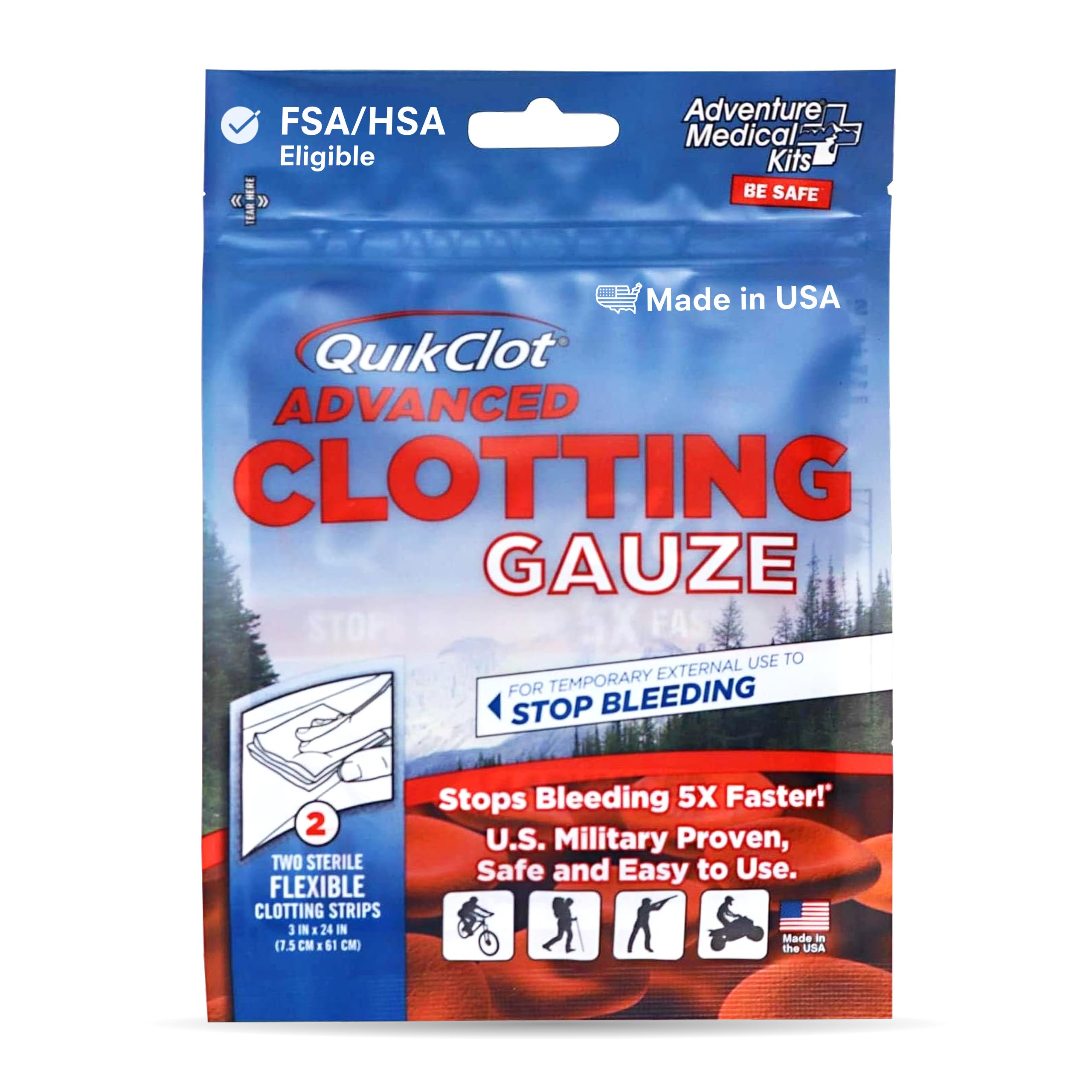
Adventure Medical Kits QuikClot Advanced Clotting Gauze - Stops Bleeding up to 5X Faster Than Standard Gauze - Kaolin Hemostatic Dressing - for First Aid Kits & Survival Gear - 3 x 24 (2 Strips)
Buy Adventure Medical Kits <strong>QuikClot Advanced Clotting Gauze</strong> - Stops Bleeding up to 5X Faster Than Standard Gauze - Kaolin Hemostatic Dressing - for First Aid Kits & Survival Gear
Evidence & Sources
Supported by multiple clinical trials and systematic reviews
- Granger CB et al. New England Journal of Medicine (ARISTOTLE trial)
- Agnelli G et al. New England Journal of Medicine (AMPLIFY trial)
- Connolly SJ et al. New England Journal of Medicine
- American Heart Association
- American College of Cardiology
- U.S. Food and Drug Administration
- National Institutes of Health
- National Center for Complementary and Integrative Health
This content is for informational purposes only and does not constitute medical advice. Always consult a qualified healthcare provider before starting, stopping, or changing any supplement or medication regimen.