

Anxiolytics
Also known as: Anti-anxiety meds, Calming meds, Anxiolytics
Overview
Anxiolytics are medications used to reduce symptoms of anxiety, tension, fear, agitation, and related states of heightened nervous system arousal. The term most often refers to drugs prescribed for anxiety disorders, including generalized anxiety disorder, panic disorder, social anxiety disorder, and situational or acute anxiety, but it may also be used more broadly for medicines with calming or sedative effects. In clinical practice, anxiolytics span several drug classes, including benzodiazepines, certain antidepressants used for anxiety, buspirone, some antihistamines, and other agents that may be used in select circumstances.
Anxiety symptoms are common across the lifespan, and anxiety disorders are among the most prevalent mental health conditions worldwide. These conditions can affect sleep, concentration, work performance, physical health, and quality of life. Because anxiety may overlap with depression, trauma-related conditions, substance use disorders, chronic pain, thyroid disease, cardiovascular symptoms, and medication side effects, evaluation typically considers both psychological and medical contributors. In this context, anxiolytics are one part of a broader care landscape that may also include psychotherapy, behavioral approaches, sleep support, stress reduction, and treatment of underlying conditions.
The effects and risks of anxiolytics vary substantially by class. Benzodiazepines may act quickly and are often associated with short-term relief of acute anxiety or panic symptoms, but they also carry important concerns such as sedation, impaired coordination, cognitive slowing, tolerance, dependence, and withdrawal. By contrast, medications such as SSRIs and SNRIs, while often not labeled simply as anxiolytics in casual use, are widely used in modern psychiatry for chronic anxiety disorders and may take weeks to exert meaningful benefit. Other agents, such as buspirone, may be used in more specific contexts and have different side-effect profiles.
From a public health perspective, anxiolytics occupy an important but carefully monitored role because they sit at the intersection of mental health treatment, medication safety, and quality of life. Research supports the use of several anxiety-reducing medications in defined clinical settings, but medication selection depends on symptom pattern, duration, coexisting conditions, age, pregnancy status, substance use history, and the risks of sedation or dependence. Questions about whether and how anxiolytics fit into care are best addressed with qualified healthcare professionals who can evaluate the full clinical picture.
Medical Perspectives
Two Ways of Seeing Health

Western
scientific · clinical
Western medicine applies science, technology, and clinical experience to treat symptoms through testing, diagnosis, and targeted intervention.

Eastern
traditional · alternative
Eastern medicine focuses on treating the body naturally by applying traditional knowledge practiced for thousands of years, emphasizing balance and whole-person wellness.
Gold Bamboo presents both perspectives side-by-side so you can make informed decisions. We don't advocate for one over the other — your health choices are yours.
Western Medicine Perspective
Western / Conventional Medicine Perspective
In conventional medicine, anxiety is understood as a complex interaction among neurobiology, genetics, stress physiology, cognition, trauma exposure, and environment. Brain systems involving gamma-aminobutyric acid (GABA), serotonin, norepinephrine, and related signaling pathways are often implicated. Different anxiolytic medications target different mechanisms. Benzodiazepines enhance the effect of GABA and can reduce anxiety rapidly. SSRIs and SNRIs modulate serotonin and/or norepinephrine signaling and are considered foundational pharmacologic treatments for many chronic anxiety disorders. Buspirone acts differently, including effects on serotonin receptors, and is often discussed as a non-benzodiazepine option for generalized anxiety symptoms.
Conventional care generally distinguishes between short-term symptom relief and long-term disorder management. Fast-acting anxiolytics may be used in acute settings or for severe distress, while longer-term strategies often emphasize medications with a more favorable dependence profile, along with cognitive behavioral therapy and other psychotherapies. Clinicians also assess for medical causes that can mimic anxiety, such as arrhythmias, hyperthyroidism, respiratory disease, stimulant use, medication interactions, or withdrawal states. This broader evaluation is important because not all anxiety symptoms originate from a primary anxiety disorder.
Safety is a central concern in the western approach. Some anxiolytics can impair alertness, memory, reaction time, and balance, and risks may increase in older adults, in people with sleep apnea or respiratory disease, or when combined with alcohol, opioids, or other sedatives. Long-term benzodiazepine use has been associated with dependence and clinically significant withdrawal syndromes in some patients. For these reasons, modern guidelines tend to frame anxiolytics as tools to be used thoughtfully within a larger treatment plan, with individualized risk-benefit assessment and ongoing clinical monitoring.
Eastern & Traditional Perspective
Eastern / Traditional Medicine Perspective
In Traditional Chinese Medicine (TCM), anxiety-like symptoms are not usually viewed as a single disease category but rather as patterns involving disturbance of the Shen (spirit or mind), often related to imbalance in the Heart, Liver, Spleen, or Kidney systems. Common traditional interpretations may include Heart blood deficiency, Liver qi stagnation, phlegm-heat disturbing the mind, or disharmony between the Heart and Kidney. Rather than focusing exclusively on suppressing anxious symptoms, TCM traditionally aims to restore systemic balance through pattern-based approaches that may involve acupuncture, herbal formulas, breathing practices, and regulation of sleep, digestion, and emotional strain.
In Ayurveda, anxiety may be discussed in relation to aggravation of Vata dosha, especially when symptoms include restlessness, worry, insomnia, palpitations, and heightened sensitivity. Traditional Ayurvedic care may emphasize grounding routines, mind-body regulation, meditation, yoga, oil therapies, and herbs historically used to support calmness and resilience. Systems such as naturopathy and other integrative traditions likewise often frame anxiety as involving the stress response, sleep quality, nutrient status, digestion, and overall lifestyle burden.
From an eastern and traditional perspective, the equivalent of an "anxiolytic" is often not a single drug class but a broader set of interventions intended to calm the mind, regulate the nervous system, and improve constitutional balance. Some traditional herbs and practices have emerging clinical research behind them, but the evidence base is mixed and often less standardized than pharmaceutical research. Quality control, herb-drug interactions, and differences between traditional pattern diagnosis and western psychiatric diagnosis are important considerations. Integrative use is typically discussed in the context of collaboration with appropriately trained healthcare professionals, particularly when prescription medications are also involved.
Supplements & Products
Recommended Products
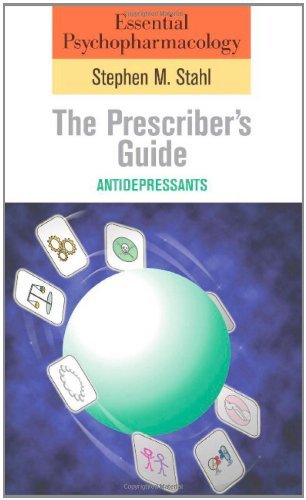
The Prescriber's Guide, Antidepressants (Stahl's Essential Psychopharmacology)
In response to rapid developments in psychopharmacology, this is a spin-off from Stephen M. Stahl’s new, completely revised and updated version of his much-acclaimed Prescriber’s Guide. It <strong>cov
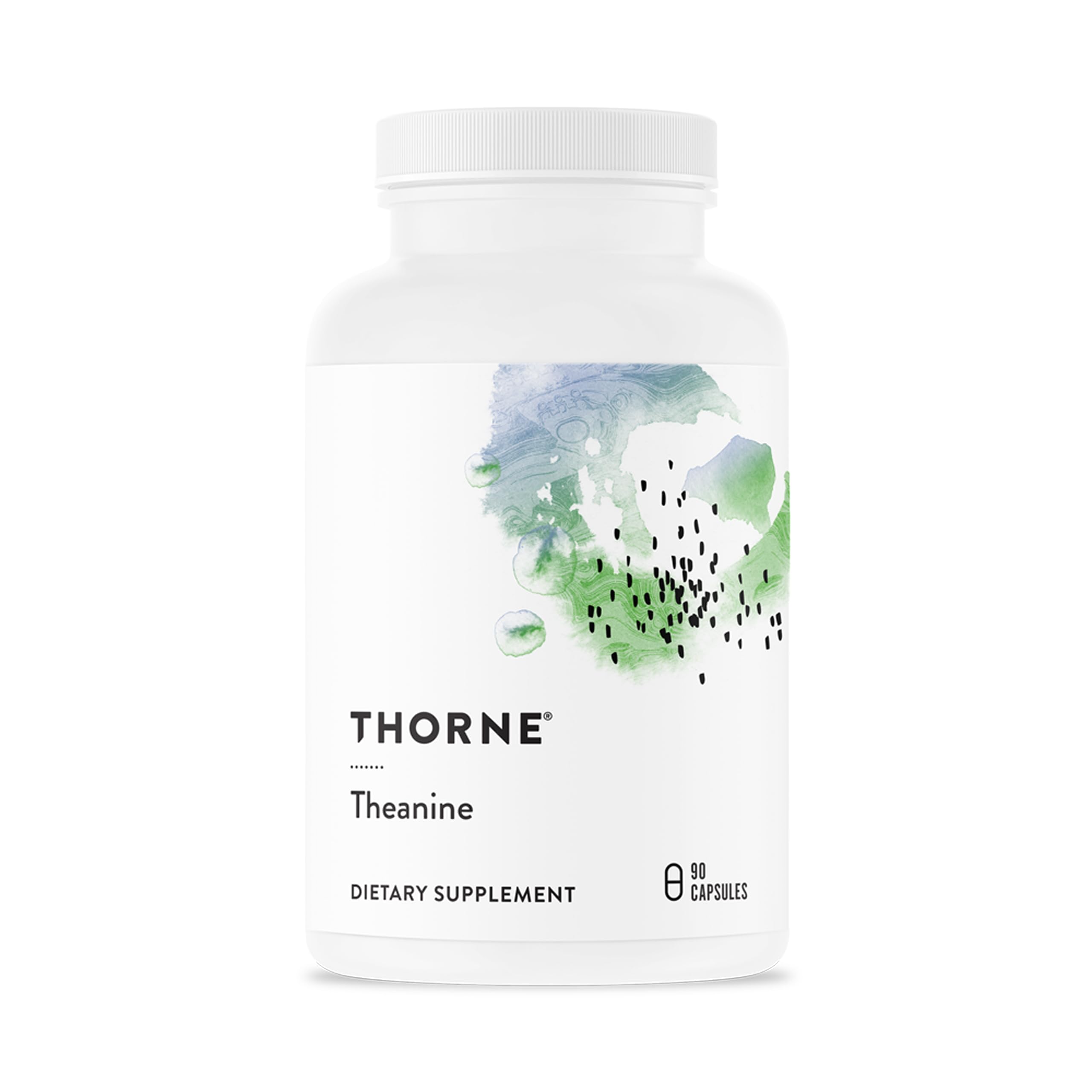
THORNE - Theanine - 200mg of L-Theanine - Support a Healthy Stress Response, Relaxation, and Focus - Increases Brain Alpha-Wave Production* - 90 Capsules
One Capsule Contains: L-Theanine* 200 mg. Other Ingredients: Hypromellose capsule, Microcrystalline Cellulose, Leucine, Calcium Laurate.
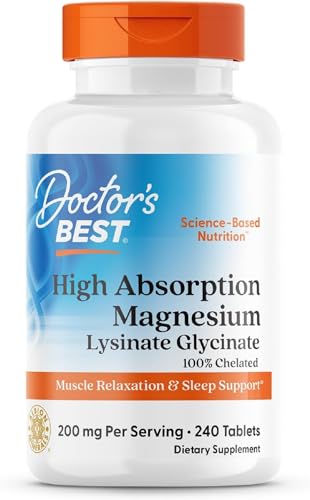
Doctor's Best High Absorption Magnesium Glycinate Lysinate Supplement for Sleep Support - Chelated Magnesium Tablets for Women & Men, 200mg per Serving, Supports Calm & Relaxation, Vegan - 240 Count
Doctor's Best High Absorption Magnesium Glycinate Lysinate Supplement for Sleep Support - Chelated Magnesium Capsules for Women & Men, 105 mg per Serving, Calm Support, Vegan - 120 Veg Caps
Evidence & Sources
Supported by multiple clinical trials and systematic reviews
- National Institute of Mental Health (NIMH)
- National Institute for Health and Care Excellence (NICE) guidelines on anxiety disorders
- American Psychiatric Association practice guidelines
- World Health Organization (WHO) mental health resources
- National Center for Complementary and Integrative Health (NCCIH)
- The Lancet Psychiatry
- JAMA Psychiatry
- New England Journal of Medicine
This content is for informational purposes only and does not constitute medical advice. Always consult a qualified healthcare provider before starting, stopping, or changing any supplement or medication regimen.