

Antiplatelet Drugs
Also known as: platelet inhibitors, antiplatelet medications, blood thinning drugs
Overview
Antiplatelet drugs are medications that reduce the ability of platelets—small blood cells involved in clot formation—to clump together. They are widely used in cardiovascular and cerebrovascular care because unwanted platelet aggregation can contribute to heart attack, ischemic stroke, peripheral arterial disease, and clotting around coronary stents. Common examples include aspirin, clopidogrel, prasugrel, ticagrelor, dipyridamole, and in specialized settings, intravenous antiplatelet agents such as glycoprotein IIb/IIIa inhibitors.
These drugs differ from anticoagulants such as warfarin, apixaban, rivaroxaban, and heparin. Antiplatelet medications primarily target platelet activation and aggregation, while anticoagulants interfere with the blood-clotting cascade. In clinical practice, this distinction matters because the indications, risks, and interactions are not identical, even though both categories are often loosely described by the public as “blood thinners.” Antiplatelet therapy is especially central in conditions driven by arterial thrombosis, where platelet-rich clots are a major problem.
Antiplatelet drugs are commonly discussed after acute coronary syndrome, prior heart attack, transient ischemic attack, ischemic stroke, coronary artery stenting, or established atherosclerotic cardiovascular disease. In many patients, a single antiplatelet drug is used; in others, dual antiplatelet therapy (DAPT)—often aspirin plus a P2Y12 inhibitor such as clopidogrel, prasugrel, or ticagrelor—is used for a defined period because research shows meaningful reductions in recurrent ischemic events in selected high-risk settings.
A major reason antiplatelet drugs are frequently searched online is concern about bleeding risk and possible interactions with foods, herbs, and dietary supplements that may also affect platelet function or coagulation. Garlic, ginkgo, ginger, turmeric/curcumin, fish oil, nattokinase, high-dose vitamin E, and alcohol are often mentioned in this context. Research suggests that interaction risk varies substantially depending on the specific substance, dose, overall bleeding risk, age, kidney or liver function, and whether a person is taking additional agents such as NSAIDs, anticoagulants, or SSRIs. Because of this, medication review with a qualified healthcare professional is considered important whenever antiplatelet therapy is being used.
Medical Perspectives
Two Ways of Seeing Health

Western
scientific · clinical
Western medicine applies science, technology, and clinical experience to treat symptoms through testing, diagnosis, and targeted intervention.

Eastern
traditional · alternative
Eastern medicine focuses on treating the body naturally by applying traditional knowledge practiced for thousands of years, emphasizing balance and whole-person wellness.
Gold Bamboo presents both perspectives side-by-side so you can make informed decisions. We don't advocate for one over the other — your health choices are yours.
Western Medicine Perspective
Western Medicine Perspective
In conventional medicine, antiplatelet drugs are understood through the biology of platelet activation pathways. Aspirin irreversibly inhibits cyclooxygenase-1 (COX-1), reducing thromboxane A2 signaling and thereby decreasing platelet aggregation. Clopidogrel, prasugrel, and ticagrelor interfere with the P2Y12 receptor, an important signaling step in platelet activation. Dipyridamole works differently, affecting adenosine uptake and cyclic nucleotide signaling. These mechanisms are supported by extensive laboratory and clinical research and form the basis for guideline-directed use.
Clinical use is shaped by large randomized trials and cardiology/neurology guidelines. Studies indicate that antiplatelet therapy lowers the risk of recurrent myocardial infarction, ischemic stroke, and stent thrombosis in appropriately selected patients. At the same time, the major tradeoff is bleeding, including gastrointestinal bleeding, bruising, nosebleeds, and in rare cases intracranial hemorrhage. Conventional care therefore emphasizes risk-benefit assessment, especially in older adults, people with prior bleeding, those taking corticosteroids or NSAIDs, and those with peptic ulcer disease, anemia, kidney impairment, or a need for surgery.
Medication interactions are an important part of standard care. NSAIDs such as ibuprofen may increase bleeding risk and can interfere with aspirin’s antiplatelet effect when taken in certain patterns. Some proton pump inhibitors may alter the metabolism of clopidogrel through CYP pathways, though the clinical significance depends on the specific drug and patient context. Herbal products and supplements may also contribute to additive bleeding risk, but the strength of evidence varies; in many cases the data come from pharmacology studies, case reports, or small trials rather than large definitive studies. Because of these uncertainties, clinicians commonly review all prescription drugs, over-the-counter agents, and supplements when evaluating antiplatelet therapy.
Conventional medicine also recognizes that antiplatelet use is highly individualized. The duration of therapy after a stent, after minor ischemic stroke or TIA, or in chronic coronary disease depends on the underlying condition, procedural factors, bleeding risk, and evolving evidence. This is why antiplatelet drugs are not viewed as general wellness agents but as targeted therapies used in specific cardiovascular contexts under medical supervision.
Eastern & Traditional Perspective
Eastern/Traditional Medicine Perspective
Traditional systems of medicine generally do not classify illness according to platelet receptors or thromboxane pathways, but many systems have long described patterns that overlap conceptually with modern concerns about circulation, stagnation, heat, inflammation, vessel health, and recovery after vascular events. In Traditional Chinese Medicine (TCM), symptoms associated with vascular blockage may be discussed in terms such as blood stasis, often considered alongside patterns involving qi stagnation, phlegm, heat, or deficiency. Herbs traditionally used to “invigorate blood” or improve circulation appear in historical formulas, though these frameworks are not equivalent to modern antiplatelet pharmacology.
In Ayurveda, related discussions may involve disturbances in circulation, inflammation, tissue nourishment, and doshic imbalance, with attention to digestion, metabolic function, and vascular integrity. Naturopathic and integrative traditions may also focus on dietary patterns, inflammatory burden, endothelial health, and the role of botanicals historically associated with circulation support. Commonly discussed natural substances include garlic, ginger, turmeric, ginkgo, danshen, and omega-3-rich oils, but the evidence base is mixed and these agents can have pharmacologic activity relevant to bleeding risk.
An important modern integrative consideration is that some traditional herbs and supplements may have antiplatelet-like or anticoagulant-like effects, at least theoretically or in preliminary studies. From an eastern or integrative perspective, this does not necessarily make them substitutes for prescription medications used after heart attack, stroke, or stent placement. Rather, it highlights the need for careful coordination between traditional practitioners and conventional clinicians. Historically respected herbal approaches may coexist with modern cardiovascular care, but combining them without professional oversight may raise safety concerns, particularly around bleeding, surgery, and drug-herb interactions.
Overall, eastern and traditional systems tend to frame circulation-related disorders in a more whole-person way, incorporating constitution, digestion, stress, recovery, and lifestyle patterns. This perspective may be valuable for understanding broader health context, but for high-risk cardiovascular indications, the strongest direct outcome data remain with conventional antiplatelet drugs. Consultation with qualified healthcare providers familiar with both medication management and traditional medicine is generally considered important when these approaches intersect.
Supplements & Products
Recommended Products
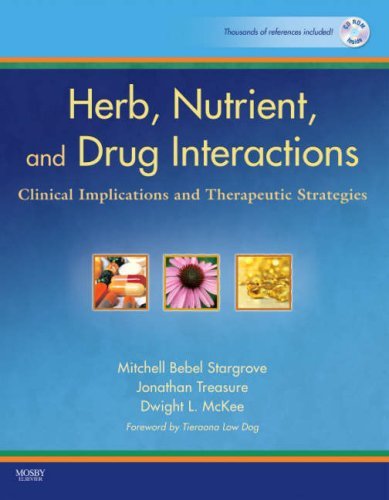
By Mitchell Bebel Stargrove - Herb, Nutrient, and Drug Interactions: Clinical Implications and Therapeutic Strategies: Mitchell Bebel et al. Stargrove
By Mitchell Bebel Stargrove - Herb, Nutrient, and Drug Interactions: Clinical Implications and Therapeutic Strategies [Mitchell Bebel et al. Stargrove] on Amazon.com. *FREE* shipping on qualifying off
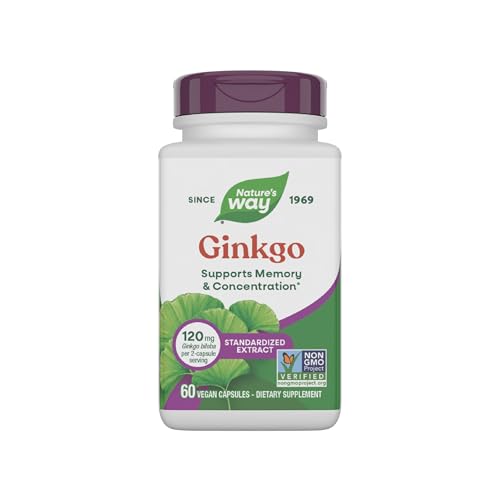
Nature's Way Ginkgo Premium Extract, Supports Memory & Concentration*, 120 mg Ginkgo Biloba Extract per 2-Capsule Serving, with Gotu Kola, Vegan, No Gluten, 60 Capsules (Packaging May Vary)
Our Ginkgo extract is standardized to <strong>24% ginkgo flavone glycosides and 6% terpene lactones</strong>.
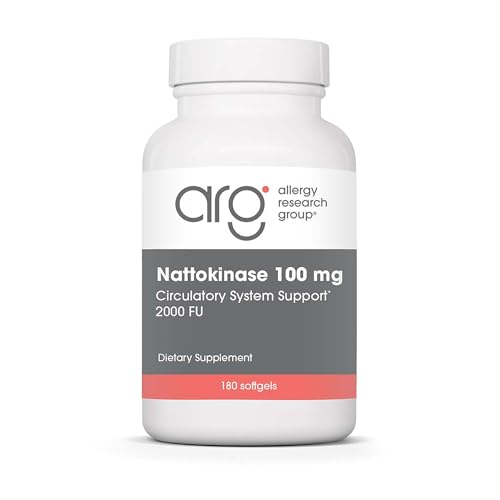
Doctor's Best Nattokinase 2000 FU Supplement for Men & Women - Supports Blood Flow, Heart Health, & Healthy Circulation, Nattokinase Enzyme Sourced from Japanese Natto, Capsule Form - 90 Veg Caps
Nattokinase (enzyme activity in fibrinolytic units) 2,000 FU, Modified cellulose (vegetarian capsule), maltodextrin, magnesium stearate (vegetable source).
Evidence & Sources
Supported by multiple clinical trials and systematic reviews
- American Heart Association (AHA)
- American College of Cardiology (ACC)
- American Stroke Association
- European Society of Cardiology (ESC)
- Antithrombotic Trialists' Collaboration, BMJ
- New England Journal of Medicine
- Journal of the American College of Cardiology
- National Center for Complementary and Integrative Health (NCCIH)
- Circulation
- The Lancet
This content is for informational purposes only and does not constitute medical advice. Always consult a qualified healthcare provider before starting, stopping, or changing any supplement or medication regimen.