

Antacids
Also known as: heartburn tablets, acid neutralizers, stomach acid relief meds
Overview
Antacids are nonprescription or prescription medications used for short-term relief of heartburn, acid indigestion, sour stomach, and related upper gastrointestinal discomfort. They work by neutralizing stomach acid that has already been produced, which can reduce the burning sensation associated with gastroesophageal reflux and the discomfort of dyspepsia. Common active ingredients include calcium carbonate, magnesium hydroxide, aluminum hydroxide, sodium bicarbonate, and combination formulas. Because they act quickly, antacids are widely used as an on-demand option for occasional symptoms.
Heartburn and indigestion are common. Population-based research suggests that gastroesophageal reflux symptoms affect a substantial portion of adults worldwide, with prevalence varying by region, diet, body weight, age, pregnancy status, medication use, and other factors. In this context, antacids occupy an important niche: they are often the first product people reach for when symptoms are mild and intermittent. However, frequent reliance on quick-relief products may also signal an underlying issue such as GERD, peptic ulcer disease, medication-related irritation, hiatal hernia, or functional dyspepsia.
From a broader health perspective, antacids are not a single-condition solution but part of a larger conversation about digestive health, symptom patterns, lifestyle factors, and medication safety. People seeking complementary or alternative approaches often focus on meal timing, trigger foods, weight management, stress, botanicals, and digestive routines in an effort to reduce recurring symptoms. At the same time, conventional medicine emphasizes that persistent reflux, chest discomfort, swallowing difficulty, vomiting, gastrointestinal bleeding, or unexplained weight loss warrant medical evaluation rather than ongoing self-treatment.
Although antacids are generally considered safe when used occasionally and as labeled, they can have important limitations. Different formulations have different side-effect profiles: magnesium-containing products may loosen stools, aluminum-containing products may contribute to constipation, calcium carbonate may cause bloating or constipation, and sodium-containing products may be unsuitable for some people. Antacids can also interfere with absorption of certain medications, including some antibiotics, iron, and thyroid medicine. For that reason, recurring use is often viewed less as a standalone remedy and more as a signal to assess the bigger picture of digestive symptoms with a qualified healthcare professional.
Medical Perspectives
Two Ways of Seeing Health

Western
scientific · clinical
Western medicine applies science, technology, and clinical experience to treat symptoms through testing, diagnosis, and targeted intervention.

Eastern
traditional · alternative
Eastern medicine focuses on treating the body naturally by applying traditional knowledge practiced for thousands of years, emphasizing balance and whole-person wellness.
Gold Bamboo presents both perspectives side-by-side so you can make informed decisions. We don't advocate for one over the other — your health choices are yours.
Western Medicine Perspective
Western / Conventional Medicine Perspective
In conventional medicine, antacids are understood as acid-neutralizing agents that provide rapid symptomatic relief, usually within minutes. They differ from H2 receptor blockers and proton pump inhibitors (PPIs), which reduce acid production rather than neutralize existing acid. Clinicians generally distinguish among occasional heartburn, recurrent gastroesophageal reflux disease (GERD), functional dyspepsia, and less common but more serious causes of upper abdominal or chest symptoms. The role of antacids is primarily for short-term symptom relief, not for healing erosive esophagitis or treating underlying structural disease.
Research and clinical guidelines indicate that frequent heartburn may justify further evaluation, especially if symptoms occur regularly, disturb sleep, persist despite over-the-counter therapy, or are accompanied by alarm features. Conventional assessment may consider dietary triggers, obesity, pregnancy, smoking, alcohol, NSAID use, H. pylori-related disease, motility disorders, and medication side effects. In this framework, antacids are often viewed as one tool among many, alongside behavioral measures and, when appropriate, acid-suppressing medications or diagnostic testing.
Safety is an important part of the western perspective. Antacids may contribute to electrolyte disturbances, altered bowel habits, milk-alkali syndrome in rare cases, kidney-related concerns in susceptible individuals, and drug-drug interactions. People with chronic kidney disease, heart failure, sodium restriction, or complex medication regimens may require extra caution. Conventional sources also note that long-standing reflux symptoms can sometimes lead to complications such as esophagitis, stricture, Barrett’s esophagus, or chronic cough/laryngopharyngeal symptoms, which antacids alone do not address.
From an evidence standpoint, antacids are well established for temporary relief of mild intermittent symptoms. Their benefit is immediate but limited in duration, and studies generally place them in a symptomatic rather than disease-modifying role. When symptoms are frequent or persistent, conventional medicine generally frames the issue as requiring diagnosis and a more comprehensive management strategy rather than escalating self-treatment.
Eastern & Traditional Perspective
Eastern / Traditional Medicine Perspective
Traditional medical systems generally do not classify illness according to modern categories such as "acid reflux" or "antacid use," but many do describe patterns that overlap with burning epigastric discomfort, regurgitation, nausea, belching, and digestive unrest. In Traditional Chinese Medicine (TCM), these symptoms may be interpreted through patterns such as rebellious Stomach Qi, Liver overacting on the Stomach, food stagnation, damp-heat, or deficiency patterns affecting digestion. The emphasis is often placed on the pattern behind the symptom, not merely on neutralizing acid.
In Ayurveda, comparable symptoms may be discussed in relation to aggravated Pitta, impaired digestion (agni), or imbalance involving dietary excess, irregular eating, stress, and incompatible foods. Traditional approaches often focus on restoring digestive balance through food quality, meal regularity, digestive spices, calming routines, and individualized herbal formulas rather than depending on rapid symptom suppression alone. Naturopathic and integrative frameworks similarly tend to explore trigger foods, eating behaviors, stress physiology, sleep patterns, and gut irritants as contributors to recurring upper GI symptoms.
Traditional and integrative practitioners have historically used botanicals such as licorice preparations, demulcent herbs, ginger in selected contexts, slippery elm, marshmallow, chamomile, and bitter or carminative formulas, though the suitability of these varies by tradition and symptom pattern. Research on some of these approaches is promising but mixed, and product quality, herb-drug interactions, and individual tolerance remain important considerations. For example, some herbs may soothe mucosal irritation, while others may stimulate digestion in ways that are not appropriate for every presentation.
Overall, eastern and traditional perspectives tend to interpret recurring antacid use as a possible sign of deeper digestive imbalance rather than simply excess acid in isolation. These systems often place considerable weight on prevention, rhythm, constitution, and whole-person factors, while also recognizing that persistent pain, bleeding, progressive swallowing difficulty, or unexplained weight loss are not situations for routine self-care and merit prompt conventional medical assessment.
Supplements & Products
Recommended Products
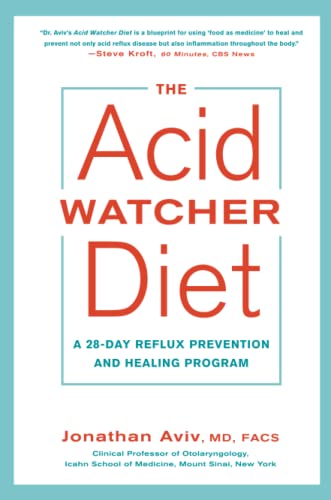
The Acid Watcher Diet: A 28-Day Reflux Prevention and Healing Program: Aviv MD FACS, Jonathan
Jonathan Aviv, <strong>a leading authority on the diagnosis and treatment of acid reflux disease</strong>, helps readers identify those often misunderstood symptoms while providing a proven solution f

Natural Factors DGL Chewable - Digestive Support Supplement with Licorice Root Extract - Chewable Tablets Support Stomach Lining & Health - Non-GMO & Gluten-Free - 180 Chewable Tablets (180 Servings)
Natural DGL Supplement Formula: ... is <strong>specially crafted to support digestion and stomach health · Gentle Digestive Aid: These chewable tablets support the integrity of the natural mucosal lin

Life Extension Esophageal Guardian, alginic Acid, Potassium Bicarbonate, get Long-Lasting Relief from gastric Distress, Vegetarian, Non-GMO, Gluten-Free, 60 Vegetarian chewable Tablets : Everything Else
Buy Life Extension Esophageal Guardian, alginic Acid, Potassium Bicarbonate, get Long-Lasting Relief from gastric Distress, Vegetarian, Non-GMO, Gluten-Free, 60 Vegetarian chewable Tablets on Amazon.c
Evidence & Sources
Supported by multiple clinical trials and systematic reviews
- American College of Gastroenterology Guidelines
- National Institute of Diabetes and Digestive and Kidney Diseases (NIDDK)
- MedlinePlus, U.S. National Library of Medicine
- National Center for Complementary and Integrative Health (NCCIH)
- Cochrane Database of Systematic Reviews
- The American Journal of Gastroenterology
- Gastroenterology
- World Gastroenterology Organisation Global Guidelines
This content is for informational purposes only and does not constitute medical advice. Always consult a qualified healthcare provider before starting, stopping, or changing any supplement or medication regimen.