

Angiotensin Receptor Blockers
Also known as: ARBs, angiotensin II receptor blockers, ARB blood pressure medications
Overview
Angiotensin receptor blockers (ARBs) are a class of prescription medications widely used to manage high blood pressure (hypertension) and several related cardiovascular and kidney conditions. Common examples include losartan, valsartan, irbesartan, candesartan, olmesartan, telmisartan, and azilsartan. These medications work within the body’s renin-angiotensin-aldosterone system (RAAS), a hormonal pathway that helps regulate blood vessel tone, fluid balance, and blood pressure. By blocking the action of angiotensin II at its receptor, ARBs reduce blood vessel constriction and may lower strain on the heart and kidneys.
ARBs are often discussed alongside ACE inhibitors, another major RAAS-targeting drug class. In clinical practice, ARBs are frequently considered when ACE inhibitors are not well tolerated, particularly because ARBs are less commonly associated with the persistent dry cough that can occur with ACE inhibitors. Beyond hypertension, research supports the use of ARBs in selected people with heart failure, chronic kidney disease, diabetic kidney disease, and cardiovascular risk reduction, depending on the specific medication and clinical context.
From a public health perspective, ARBs are important because hypertension is one of the most common chronic medical conditions worldwide and a leading contributor to stroke, heart attack, heart failure, and kidney disease. Many people searching for information about ARBs are not only trying to understand how these medicines work, but also comparing them with lifestyle-based and integrative approaches for blood pressure support. While interest in natural strategies is common, it is important to recognize that uncontrolled hypertension can remain silent for years while still causing progressive damage. For that reason, both conventional and traditional systems generally frame blood pressure management as a long-term, whole-person issue requiring individualized oversight.
In integrative health discussions, ARBs often sit at the intersection of medication management, cardiovascular prevention, and lifestyle medicine. Diet, physical activity, weight regulation, sleep, stress, and alcohol intake all influence blood pressure and may affect a person’s broader care plan. At the same time, herbal medicines, supplements, and traditional therapies may carry their own physiologic effects and potential interactions. A balanced understanding of ARBs therefore includes not only what the drugs do, but also how they fit into a broader strategy that may involve collaboration with a physician, pharmacist, or qualified integrative practitioner.
Medical Perspectives
Two Ways of Seeing Health

Western
scientific · clinical
Western medicine applies science, technology, and clinical experience to treat symptoms through testing, diagnosis, and targeted intervention.

Eastern
traditional · alternative
Eastern medicine focuses on treating the body naturally by applying traditional knowledge practiced for thousands of years, emphasizing balance and whole-person wellness.
Gold Bamboo presents both perspectives side-by-side so you can make informed decisions. We don't advocate for one over the other — your health choices are yours.
Western Medicine Perspective
Western Medicine Perspective
In conventional medicine, ARBs are understood as selective blockers of the angiotensin II type 1 (AT1) receptor. Angiotensin II normally promotes vasoconstriction, stimulates aldosterone release, and contributes to sodium retention and cardiovascular remodeling. By interrupting this signaling pathway, ARBs may lower blood pressure, reduce afterload on the heart, and help protect the kidneys in certain populations. Compared with ACE inhibitors, ARBs produce similar blood pressure and organ-protective effects in many settings, but they generally do so without increasing bradykinin to the same degree, which helps explain their lower rate of ACE inhibitor-related cough.
Clinical guidelines commonly include ARBs among the major first-line medication options for hypertension, especially in people with diabetes, albuminuria, chronic kidney disease, or cardiovascular disease, depending on the individual profile. Studies indicate that ARBs can reduce the risk of major cardiovascular outcomes when used appropriately, and some agents have specific evidence in heart failure or diabetic nephropathy. Commonly discussed side effects include dizziness, low blood pressure, elevated potassium, and changes in kidney function. ARBs are generally not used during pregnancy because RAAS blockade can harm fetal development. They also require careful monitoring when combined with other drugs or supplements that affect potassium, kidney function, or blood pressure.
A key point in conventional care is that ARBs are not usually viewed as interchangeable with “natural blood pressure support” in a simple one-to-one sense. Lifestyle measures such as dietary sodium reduction, weight loss, regular physical activity, and DASH-style eating patterns are strongly supported by evidence and may reduce blood pressure meaningfully, but the degree of effect varies widely. For some individuals, these approaches may complement medication; for others, medication remains an important part of risk reduction. Research and guideline statements therefore emphasize ongoing monitoring and individualized assessment rather than assuming a medication can be replaced without consequence.
Eastern & Traditional Perspective
Eastern / Traditional Medicine Perspective
In Traditional Chinese Medicine (TCM), high blood pressure is not defined by the same biomedical mechanism as in Western cardiology. Instead, it may be interpreted through patterns such as Liver yang rising, Liver fire, phlegm-damp obstruction, yin deficiency, or kidney-liver imbalance, depending on the person’s constitution and symptom pattern. From this viewpoint, elevated blood pressure is less often seen as an isolated number and more as an expression of broader dysregulation involving stress, diet, emotional strain, aging, circulation, and organ system imbalance. Traditional approaches may include acupuncture, dietary therapy, movement practices such as tai chi or qigong, and individualized herbal formulas.
In Ayurveda, hypertension is not always mapped to a single classical disease category, but practitioners often discuss it in relation to disturbances involving Vata, Pitta, circulatory tension, stress load, digestion, and metabolic imbalance. Ayurvedic strategies may focus on calming the nervous system, supporting vascular and metabolic balance, and reducing factors believed to aggravate systemic strain. In naturopathy and broader integrative traditions, attention often centers on foundational contributors such as stress physiology, sleep quality, diet quality, inflammation, insulin resistance, and mineral balance.
Research on traditional and integrative approaches for blood pressure support is growing, particularly for mind-body practices, dietary patterns, sodium reduction, weight management, and some acupuncture protocols, though the quality of evidence varies and results are often modest or inconsistent. Herbal medicine presents additional complexity: some botanicals are traditionally used for circulation or stress support, but robust evidence, product standardization, and safety data are often limited. Importantly, certain herbs or supplements may interact with antihypertensive medications or affect potassium levels, kidney function, or blood pressure control. For that reason, traditional medicine perspectives are best understood as complementary frameworks that may inform whole-person care, rather than as direct substitutes for prescribed ARBs without professional supervision.
Supplements & Products
Recommended Products
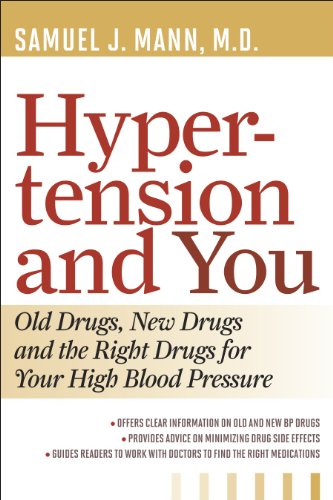
Hypertension and You: Old Drugs, New Drugs, and the Right Drugs for Your High Blood Pressure: Mann, Samuel J.
Louis Post-Dispatch “Samuel J. Mann’s new book <strong>provides a clear, concise, and easy to read approach to ensure that patients have a proper diagnosis of hypertension and receive the right medica
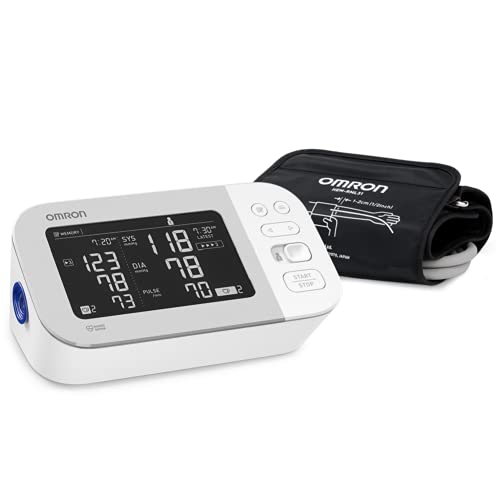
OMRON Platinum Blood Pressure Monitor, Upper Arm Cuff, Digital Bluetooth Blood Pressure Machine, Stores Up To 200 Readings for Two Users (100 readings each) : Everything Else
Buy OMRON Platinum Blood Pressure Monitor, Upper Arm Cuff, Digital Bluetooth Blood Pressure Machine, Stores Up To 200 Readings for Two Users (100 readings each) on Amazon.com ✓ FREE SHIPPING on qualif

Kyolic Aged Garlic Extract Formula 109, Blood Pressure Health*, 80 Capsules
Kyolic Aged Garlic Extract Formula 109 - for Blood Pressure Health - <strong>Supports Maintaining Blood Pressure Levels Already Within a Normal Range</strong> - Heart Health Supplement - 160 Capsules
Evidence & Sources
Supported by multiple clinical trials and systematic reviews
- American Heart Association
- ACC/AHA Guideline for the Prevention, Detection, Evaluation, and Management of High Blood Pressure in Adults
- KDIGO Clinical Practice Guideline
- Journal of the American College of Cardiology
- The New England Journal of Medicine
- The Lancet
- National Institute for Health and Care Excellence (NICE)
- National Center for Complementary and Integrative Health (NCCIH)
This content is for informational purposes only and does not constitute medical advice. Always consult a qualified healthcare provider before starting, stopping, or changing any supplement or medication regimen.