

Amoxicillin
Also known as: Amoxil, Antibiotic, Amoxicillin
Overview
Amoxicillin is a widely used beta-lactam antibiotic in the penicillin family, prescribed to treat many bacterial infections involving the ears, sinuses, throat, lungs, urinary tract, skin, and other tissues. It works by interfering with bacterial cell wall synthesis, which can lead to the destruction of susceptible bacteria. Because of its broad utility, oral formulation options, and long history of use, amoxicillin remains one of the most recognized antibiotics in outpatient and pediatric care.
Its clinical importance is tied not only to how often it is used, but also to the broader role antibiotics play in modern medicine. Amoxicillin is commonly discussed in relation to conditions such as strep throat, acute otitis media, certain pneumonias, Helicobacter pylori treatment regimens, and some dental or skin infections, depending on local practice patterns and bacterial susceptibility. However, it is not effective against viral illnesses such as the common cold or influenza, and inappropriate antibiotic use is closely linked with antimicrobial resistance, a major global public health concern.
Like all medications, amoxicillin has potential adverse effects and limitations. Commonly reported issues include gastrointestinal upset, nausea, diarrhea, and rash. More serious concerns include allergic reactions, including immediate hypersensitivity in people with penicillin allergy histories, and rarer complications such as severe skin reactions or antibiotic-associated colitis. Another important consideration is that antibiotic exposure may temporarily alter the gut microbiome, an area of active research with growing interest in both conventional and integrative medicine.
In health education, amoxicillin is often viewed as a useful example of how a medication can be both highly effective and dependent on context. Its benefits are strongest when it is matched to a confirmed or strongly suspected susceptible bacterial infection, while its risks become more relevant when used unnecessarily or in the wrong clinical setting. For this reason, discussions about amoxicillin often intersect with diagnostic accuracy, stewardship, allergy evaluation, and individualized prescribing considerations, all of which are central to responsible medication use.
Medical Perspectives
Two Ways of Seeing Health

Western
scientific · clinical
Western medicine applies science, technology, and clinical experience to treat symptoms through testing, diagnosis, and targeted intervention.

Eastern
traditional · alternative
Eastern medicine focuses on treating the body naturally by applying traditional knowledge practiced for thousands of years, emphasizing balance and whole-person wellness.
Gold Bamboo presents both perspectives side-by-side so you can make informed decisions. We don't advocate for one over the other — your health choices are yours.
Western Medicine Perspective
Western Medicine Perspective
From a conventional medical standpoint, amoxicillin is a first-line or commonly used antibiotic for selected bacterial infections because of its spectrum of activity, oral absorption, and generally favorable safety profile. It is a derivative of penicillin that binds to penicillin-binding proteins in bacteria, disrupting cell wall formation. Its effectiveness depends on whether the infecting organism is susceptible; many bacteria produce beta-lactamases or have other resistance mechanisms that reduce amoxicillin's activity. In some settings, it is paired with clavulanate, a beta-lactamase inhibitor, to broaden coverage.
Clinical use is guided by the infection site, likely organism, local resistance patterns, and patient-specific factors such as age, pregnancy status, kidney function, and allergy history. Major guidelines from organizations such as the Centers for Disease Control and Prevention, Infectious Diseases Society of America, and American Academy of Pediatrics frame antibiotic selection around diagnostic criteria and stewardship principles. Research consistently indicates that antibiotics offer clear benefit in appropriately selected bacterial infections, while unnecessary use contributes to adverse events and antimicrobial resistance.
Safety monitoring is an important part of the conventional view. Clinicians distinguish between nonallergic side effects, benign delayed rashes, and true IgE-mediated penicillin allergy, because many reported penicillin allergies are later found to be inaccurate upon formal evaluation. This has important implications for antibiotic choices and resistance patterns. Western medicine also recognizes drug interactions, renal dosing considerations, and rare but serious complications, emphasizing that antibiotic therapy is most effective when the diagnosis and indication are well established.
Eastern & Traditional Perspective
Eastern/Traditional Medicine Perspective
In Traditional Chinese Medicine (TCM) and other East Asian systems, a drug such as amoxicillin is generally not categorized in the same way as an herb, but the illness being treated may be interpreted through patterns such as wind-heat, heat toxin, damp-heat, or lung and throat heat, depending on the presentation. From this perspective, antibiotics may be seen as modern agents that reduce acute pathogenic burden, while traditional approaches focus on the broader pattern of imbalance underlying susceptibility, symptom expression, and recovery. Herbal formulas, acupuncture, dietary strategies, and rest are traditionally discussed in relation to symptom patterns rather than bacterial species.
In Ayurveda, recurrent or acute infections may be framed in terms of disturbed doshas, impaired agni (digestive/metabolic fire), and accumulation of ama (metabolic byproducts or toxic burden), though these concepts are not direct equivalents of biomedical infection models. An integrative interpretation may view antibiotic use as addressing an acute infectious process while traditional modalities aim to support overall resilience, digestion, and convalescence. Similarly, naturopathic traditions often discuss the importance of terrain, immune balance, and microbiome support, particularly after antibiotic exposure.
Traditional systems also tend to place emphasis on the downstream effects of illness and treatment, including digestive disruption, reduced vitality, or recurrent imbalance after acute infection resolves. This aligns in part with modern research interest in the microbiome and post-infectious recovery, although the explanatory frameworks differ substantially. Evidence for combining traditional therapies with antibiotic treatment varies widely by condition and modality, and many traditional claims remain less rigorously studied than standard antibiotic outcomes. As with all integrative topics, evaluation by qualified healthcare professionals is important when considering how conventional and traditional frameworks may intersect.
Supplements & Products
Recommended Products
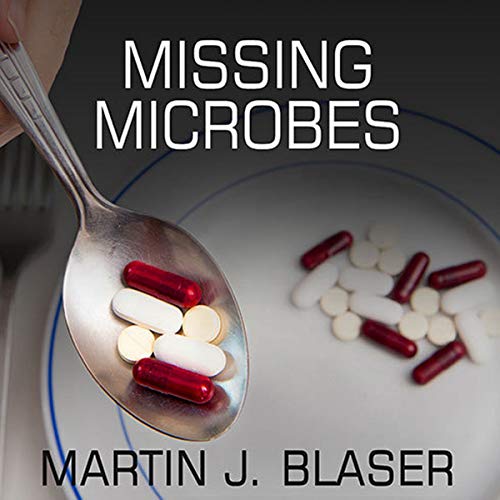
Missing Microbes: How the Overuse of Antibiotics Is Fueling Our Modern Plagues: Blaser MD, Martin J.
Martin J. Blaser <strong>invites us into the wilds of the human microbiome</strong>, where for hundreds of thousands of years bacterial and human cells have existed in a peaceful symbiosis that is res
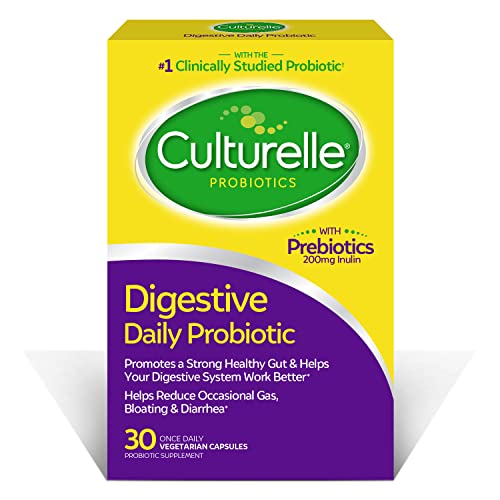
Culturelle Daily Probiotic Capsules For Men & Women, Most Clinically Studied Probiotic Strain, Digestive & Gut Health, Supports Occasional Diarrhea, Gas & Bloating, 1 Month Supply, 30 CT : Everything Else
That’s why Culturelle Digestive Daily Probiotic capsules <strong>deliver the clinically proven effective amount of 10 billion CFUs for healthy digestion</strong>.* Backed By More Than 30 Years Of Scie
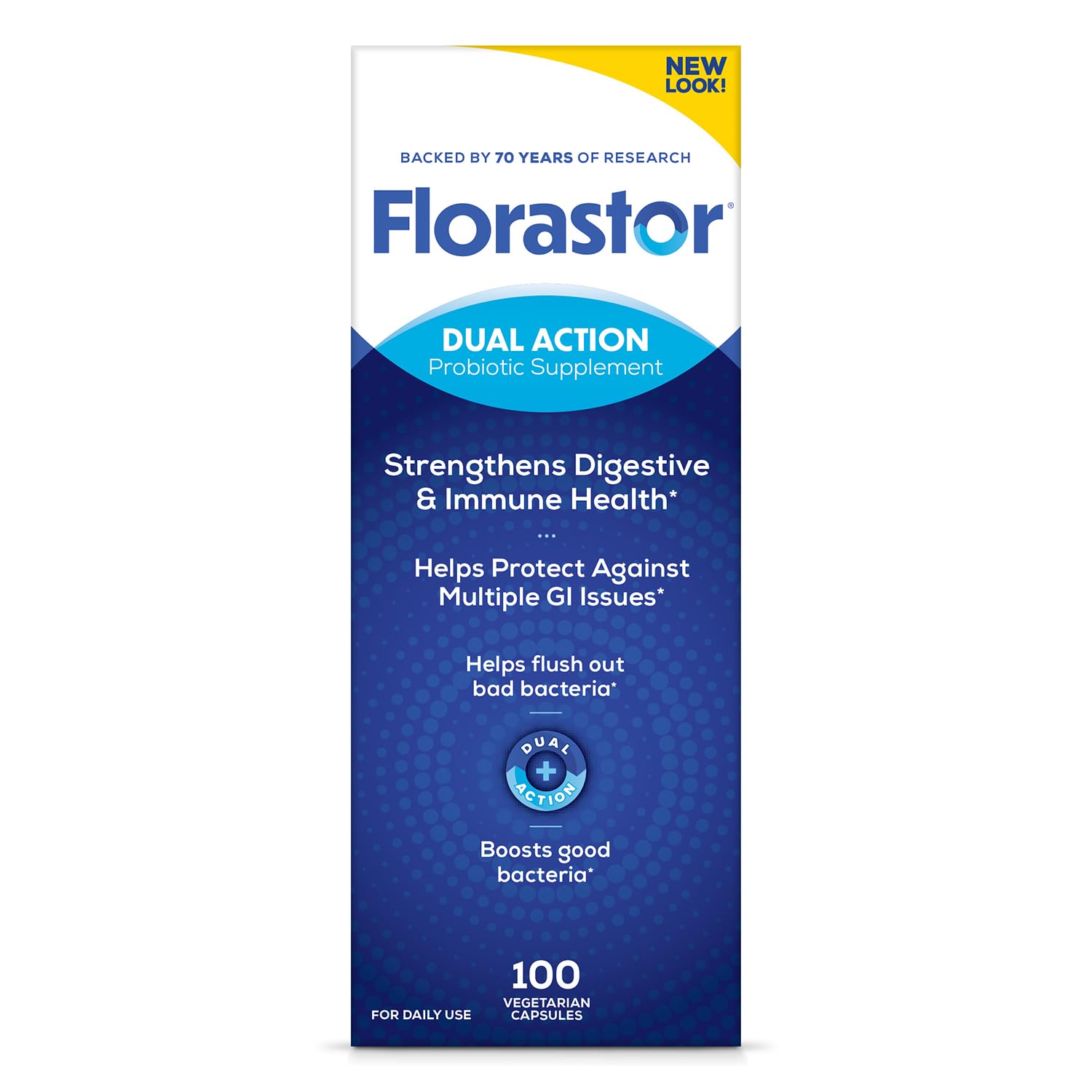
Florastor Probiotics for Digestive and Immune Health, 100 Capsules, Probiotics for Women & Men, Helps Flush Out Bad Bacteria, Boosts The Good with Our Unique Strain Saccharomyces Boulardii
Saccharomyces boulardii CNCM I-745 250mg, Lactose 32.5mg.
Evidence & Sources
Supported by multiple clinical trials and systematic reviews
- U.S. Food and Drug Administration (FDA)
- Centers for Disease Control and Prevention (CDC)
- Infectious Diseases Society of America (IDSA)
- American Academy of Pediatrics (AAP)
- World Health Organization (WHO)
- National Institute of Allergy and Infectious Diseases (NIAID)
- The Lancet
- New England Journal of Medicine
- JAMA
- NCCIH
This content is for informational purposes only and does not constitute medical advice. Always consult a qualified healthcare provider before starting, stopping, or changing any supplement or medication regimen.