

Amlodipine
Also known as: Norvasc, amlodipin
Amlodipine Overview
Amlodipine is a prescription medication in the dihydropyridine calcium channel blocker class, most commonly used to manage high blood pressure (hypertension) and angina related to coronary artery disease. It works primarily by relaxing smooth muscle in blood vessel walls, which lowers vascular resistance and improves blood flow. Because hypertension is one of the most common chronic conditions worldwide, amlodipine is among the most widely used cardiovascular medications and is frequently discussed in relation to long-term heart health, medication tolerance, and symptom management.
From a public health standpoint, blood pressure control is closely linked with reduced risk of stroke, heart attack, heart failure, and kidney disease. In conventional medicine, amlodipine is often used alone or alongside other antihypertensive therapies, especially when sustained 24-hour blood pressure control is desired. It is also used in certain patients with chronic stable angina or vasospastic angina because its blood vessel-relaxing effects can improve oxygen delivery to the heart.
Amlodipine is also commonly searched by people trying to understand side effects, particularly ankle swelling (peripheral edema), flushing, headache, dizziness, and fatigue. These effects are well recognized and are often related to the medication’s vasodilating action rather than allergic or toxic reactions. Questions also frequently arise about interactions with diet, supplements, exercise, and complementary approaches to cardiovascular wellness.
As with any medication, the broader clinical context matters. Amlodipine is not generally viewed as a stand-alone answer to cardiovascular risk; rather, it is one part of a larger strategy that may include nutrition, physical activity, sleep, stress regulation, and management of cholesterol, diabetes, kidney health, and smoking exposure. People exploring integrative approaches often look for ways to support overall cardiovascular function while remaining mindful that medication changes or symptom assessment warrant review by a qualified healthcare professional.
Medical Perspectives
Two Ways of Seeing Health

Western
scientific · clinical
Western medicine applies science, technology, and clinical experience to treat symptoms through testing, diagnosis, and targeted intervention.

Eastern
traditional · alternative
Eastern medicine focuses on treating the body naturally by applying traditional knowledge practiced for thousands of years, emphasizing balance and whole-person wellness.
Gold Bamboo presents both perspectives side-by-side so you can make informed decisions. We don't advocate for one over the other — your health choices are yours.
Western Medicine Perspective
Western Medicine Perspective
In conventional medicine, amlodipine is understood as a long-acting L-type calcium channel blocker. By reducing calcium entry into vascular smooth muscle cells, it promotes arterial relaxation and lowers systemic blood pressure. This mechanism makes it useful in hypertension across a broad range of patient populations, including older adults and many patients with isolated systolic hypertension. It has a relatively long half-life, allowing stable blood pressure control over the course of a day.
For angina, amlodipine decreases afterload and can improve coronary blood flow, which may reduce chest pain symptoms in some patients. Major cardiovascular guidelines include calcium channel blockers among established first-line or widely accepted treatment options for hypertension, depending on the patient’s age, comorbidities, and overall cardiovascular risk profile. Research has also examined amlodipine in combination therapy with agents such as ACE inhibitors, ARBs, or statins in broader cardiovascular prevention strategies.
Common adverse effects include peripheral edema, flushing, palpitations, headache, and sometimes fatigue or lightheadedness. Peripheral edema is particularly notable: it is often caused by changes in capillary pressure from arterial dilation rather than fluid overload in the usual sense. Conventional evaluation focuses on distinguishing a medication side effect from other causes of swelling, such as heart failure, venous disease, kidney disease, or liver disease. Clinical decision-making also considers rare but important issues such as gingival overgrowth, worsening symptoms in select patients, and potential interactions involving CYP3A4 metabolism.
From an evidence standpoint, amlodipine is a well-studied medication with substantial support from randomized trials, comparative studies, and guideline reviews. Conventional care emphasizes individualized prescribing, blood pressure monitoring, and assessment of side effects, adherence, and total cardiovascular risk. Questions about symptoms, dose changes, discontinuation, or combining amlodipine with supplements are generally best addressed through a licensed clinician or pharmacist who can evaluate safety in context.
Eastern & Traditional Perspective
Eastern and Traditional Medicine Perspective
In Traditional Chinese Medicine (TCM) and other traditional systems, a medication such as amlodipine is not typically classified by its molecular mechanism but by the symptom pattern and constitutional picture surrounding the person taking it. Elevated blood pressure symptoms may be interpreted through patterns such as Liver yang rising, internal wind, phlegm-damp accumulation, or yin deficiency, while chest discomfort may be discussed in terms of Qi stagnation, blood stasis, or obstruction affecting the Heart and Liver channels. Swelling, heaviness, and fatigue in someone taking amlodipine might be viewed through patterns involving Spleen Qi deficiency, dampness, or impaired fluid transformation.
In Ayurveda, cardiovascular symptoms and medication-related experiences may be framed through imbalance in Vata, Pitta, and Kapha, along with disturbances in rasa and rakta dhatu and the channels that govern circulation. Flushing could be associated with excess heat or Pitta-type patterns, while edema and heaviness may be considered more Kapha-related. Fatigue may be interpreted through depletion, digestive imbalance, or impaired tissue nourishment. These frameworks aim to understand the whole pattern rather than focusing only on a diagnosis label.
Integrative and naturopathic traditions often emphasize supportive lifestyle foundations for cardiovascular health, such as stress reduction, restorative sleep, movement, and food patterns associated with healthy blood pressure. Some traditional systems also use herbs, acupuncture, breathing practices, or mind-body approaches to address patterns related to tension, circulation, or fluid balance. However, evidence for these complementary strategies specifically in people taking amlodipine is variable, and herb-drug interaction considerations are important. For example, some botanicals or supplements may influence blood pressure, heart rate, liver enzymes, or edema in ways that deserve professional review.
Overall, Eastern and traditional perspectives tend to place amlodipine within a broader constitutional and lifestyle context, asking why symptoms such as flushing, swelling, or fatigue are occurring in this person at this time. These frameworks may offer additional language for understanding symptom patterns and quality-of-life concerns, but they are generally best integrated carefully alongside conventional cardiovascular care, particularly when hypertension, angina, or unexplained swelling are involved.
Supplements & Products
Recommended Products

The DASH Diet Action Plan: Proven to Boost Weight Loss and Improve Health (A DASH Diet Book): Heller, Marla
Unlike any diet before it, DASH, which stands for Dietary Approaches to Stop Hypertension, came out of groundbreaking NIH-funded research. Now, Marla Heller, MS, RD, who was trained by one of the prim
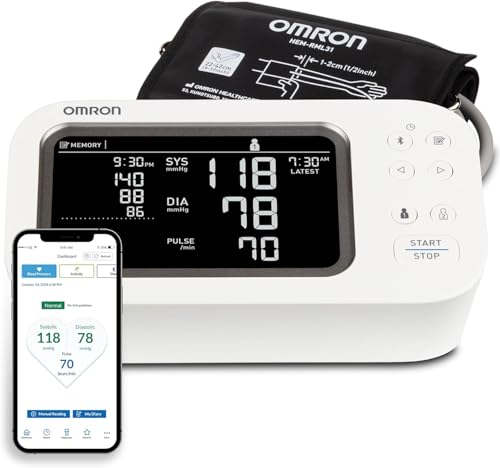
OMRON Platinum Blood Pressure Monitor for Home Use & Upper Arm Blood Pressure Cuff - #1 Doctor & Pharmacist Recommended Brand - Clinically Validated - AFib Detection - Connect App
CONFIDENCE IN EVERY READING: Monitor your heart health with the OMRON Platinum Upper Arm Blood Pressure Monitor's <strong>Advanced Accuracy with AFib Detection Technology</strong>; Store up to 10

Nordic Naturals Ultimate Omega, Lemon Flavor - 180 Soft Gels - 1280 mg Omega-3 - High-Potency Fish Oil with EPA & DHA - Promotes Brain & Heart Health - Non-GMO - 90 Servings
Buy Nordic Naturals Ultimate Omega, Lemon Flavor - 180 Soft Gels - 1280 mg Omega-3 - High-Potency Fish Oil with EPA & DHA - Promotes Brain & Heart Health - Non-GMO - 90 Servings on Amazon.com
Evidence & Sources
Supported by multiple clinical trials and systematic reviews
- American Heart Association/American College of Cardiology Hypertension Guidelines
- National Institute for Health and Care Excellence (NICE) Hypertension Guidance
- StatPearls
- Drugs
- The Lancet
- New England Journal of Medicine
- Journal of Clinical Hypertension
- National Center for Complementary and Integrative Health (NCCIH)
- World Health Organization
- British National Formulary
This content is for informational purposes only and does not constitute medical advice. Always consult a qualified healthcare provider before starting, stopping, or changing any supplement or medication regimen.