

Albuterol
Also known as: Ventolin, ProAir, Albuterol
Overview
Albuterol (also called salbutamol in many countries) is a widely used bronchodilator medication most commonly delivered by inhaler or nebulizer to help relieve bronchospasm—the tightening of muscles around the airways. It is best known for its role in the management of asthma and chronic obstructive pulmonary disease (COPD), where narrowing of the airways can lead to symptoms such as wheezing, chest tightness, cough, and shortness of breath. Because it acts relatively quickly, albuterol is often described in conventional medicine as a short-acting beta2-agonist (SABA) used for rapid symptom relief.
Albuterol has been a cornerstone medication in respiratory care for decades and is among the most recognized rescue therapies in pulmonary medicine. Its significance lies in its ability to improve airflow within minutes for many patients experiencing acute bronchoconstriction. It may also be used in some settings to help prevent exercise-induced bronchospasm. While highly effective for symptom relief, albuterol does not address the underlying inflammatory drivers of asthma, which is an important distinction in long-term disease management.
From a broader health perspective, albuterol sits at the intersection of acute symptom control and chronic respiratory disease management. Inhaled delivery allows the medication to reach the lungs directly, which can enhance local effect while limiting some systemic exposure compared with oral forms. Even so, side effects such as tremor, nervousness, palpitations, or increased heart rate can occur, particularly with higher doses or frequent use. Patterns of repeated reliance on albuterol are often viewed in clinical practice as a sign that a person’s airway disease may not be optimally controlled and may warrant reassessment by a qualified healthcare professional.
On an educational topic page, it is also important to note that albuterol is a conventional pharmaceutical medication, not an herbal or traditional remedy. However, many people who use it also explore complementary approaches for respiratory health, including breathing practices, environmental modification, nutrition, and traditional medicine frameworks. For this reason, understanding albuterol from both conventional and integrative perspectives can help place it in the larger context of respiratory wellness.
Medical Perspectives
Two Ways of Seeing Health

Western
scientific · clinical
Western medicine applies science, technology, and clinical experience to treat symptoms through testing, diagnosis, and targeted intervention.

Eastern
traditional · alternative
Eastern medicine focuses on treating the body naturally by applying traditional knowledge practiced for thousands of years, emphasizing balance and whole-person wellness.
Gold Bamboo presents both perspectives side-by-side so you can make informed decisions. We don't advocate for one over the other — your health choices are yours.
Western Medicine Perspective
Western Medicine Perspective
In conventional medicine, albuterol is classified as a selective beta2-adrenergic receptor agonist. It works by stimulating beta2 receptors in bronchial smooth muscle, leading to relaxation of airway muscles and improved airflow. This mechanism makes it particularly useful for acute relief of reversible airway narrowing, especially in asthma, and for symptom relief in some patients with COPD. It is commonly delivered by metered-dose inhaler, dry powder inhaler, or nebulized solution, with onset generally occurring within minutes and effects lasting several hours.
Clinical guidelines and decades of use support albuterol’s role as a rescue medication rather than a primary long-term controller therapy. In asthma care, overreliance on short-acting bronchodilators has been associated with poorer outcomes, so guideline-based care often emphasizes assessment of symptom frequency, exacerbation risk, inhaler technique, and the need for anti-inflammatory management when appropriate. In COPD, albuterol may be used for intermittent symptom relief or in combination with longer-acting bronchodilators depending on disease severity and pattern of symptoms.
Common adverse effects reported with albuterol include tremor, jitteriness, headache, palpitations, tachycardia, and throat irritation. At higher exposure levels, it may contribute to hypokalemia or transient metabolic effects, and caution is often discussed in people with certain cardiovascular conditions. Conventional care also pays close attention to whether frequent need for albuterol reflects worsening asthma control, poor medication delivery technique, environmental triggers, infection, or progression of underlying lung disease. Consultation with a licensed healthcare provider is important for interpreting symptom patterns and safe medication use.
Eastern & Traditional Perspective
Eastern/Traditional Medicine Perspective
Traditional medical systems do not historically describe albuterol itself, because it is a modern pharmaceutical. However, many eastern and traditional frameworks offer longstanding ways of understanding the symptom patterns for which albuterol is used—especially wheezing, cough, chest tightness, and breathlessness. In Traditional Chinese Medicine (TCM), these symptoms may be discussed in relation to dysfunction of the Lung system, sometimes involving patterns such as phlegm accumulation, wind-cold or wind-heat affecting the Lung, or failure of Lung qi to descend. Traditional approaches have often included individualized herbal formulas, acupuncture, breathing regulation, and dietary assessment, with pattern differentiation guiding care.
In Ayurveda, respiratory constriction may be interpreted through imbalances involving Prana Vata, Kapha, and, in some presentations, Pitta. Conditions resembling wheezing disorders have traditionally been associated with impaired respiratory flow, excess mucus, and systemic imbalance affecting digestion and tissue function. Ayurvedic approaches have historically included herbal preparations, breathing practices, lifestyle regulation, and attention to environmental exposures. Naturopathic and integrative traditions may likewise focus on whole-person contributors such as air quality, allergen burden, stress, sleep, and inflammatory load.
From an integrative perspective, albuterol is often viewed as addressing the immediate mechanical problem of bronchospasm, while traditional systems may focus more on the underlying pattern or terrain contributing to recurrent respiratory symptoms. Research on complementary modalities for asthma and COPD remains mixed and varies substantially by intervention. Some studies suggest potential supportive roles for breathing practices, selected herbal protocols, or acupuncture in symptom perception or quality of life, but findings are not uniform and these approaches are generally not regarded as substitutes for emergency respiratory treatment. Because respiratory symptoms can escalate rapidly, coordination with qualified healthcare professionals is an important consideration when conventional and traditional approaches are used together.
Supplements & Products
Recommended Products

Allergies and Asthma For Dummies: Berger, William E.
If allergies make you wheeze, sneeze, drip, itch, puff, or droop, or if asthma makes you feel like an elephant is standing on your chest, you'll want to read Allergies and Asthma for Dummies. Aut
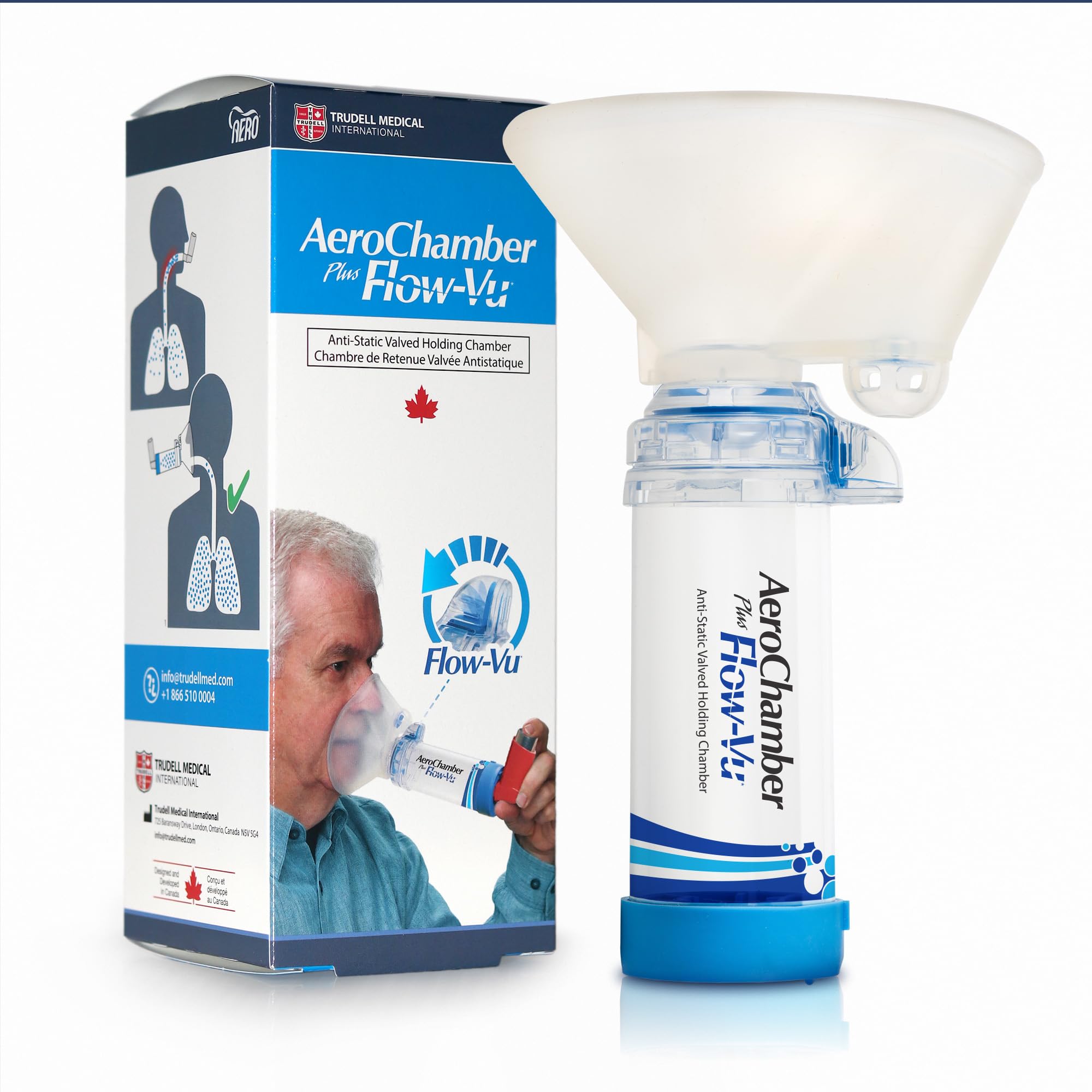
Amazon Pharmacy: AEROCHAMBER PLUS FLOW-VU
Transfer your prescription for AEROCHAMBER PLUS FLOW-VU on Amazon Pharmacy. FREE SHIPPING for Prime members.
Evidence & Sources
Supported by multiple clinical trials and systematic reviews
- Global Initiative for Asthma (GINA)
- Global Initiative for Chronic Obstructive Lung Disease (GOLD)
- National Heart, Lung, and Blood Institute (NHLBI)
- U.S. Food and Drug Administration (FDA)
- National Center for Biotechnology Information (StatPearls)
- Cochrane Library
- National Center for Complementary and Integrative Health (NCCIH)
- World Health Organization (WHO)
This content is for informational purposes only and does not constitute medical advice. Always consult a qualified healthcare provider before starting, stopping, or changing any supplement or medication regimen.