

Tuberculosis
Tuberculosis
Tuberculosis (TB) is an infectious disease caused primarily by Mycobacterium tuberculosis, a slow-growing bacterium that most often affects the lungs but can also involve the lymph nodes, bones, kidneys, brain, and other organs. It remains one of the most important infectious diseases worldwide. According to major global health authorities, TB continues to cause substantial illness and death, particularly in low- and middle-income settings, though it is found in every region of the world. The condition exists along a spectrum that includes latent TB infection—in which the bacteria remain in the body without causing active illness—and active TB disease, in which symptoms and tissue damage occur and transmission may be possible.
TB spreads mainly through airborne droplets released when a person with pulmonary or laryngeal TB coughs, speaks, or sneezes. Not everyone exposed becomes ill; risk is influenced by immune status, nutritional status, living conditions, and coexisting illnesses. Research consistently identifies higher risk among people with HIV, diabetes, undernutrition, silicosis, chronic kidney disease, or immunosuppressive therapy, as well as among those living in crowded environments or with limited access to healthcare. Common symptoms of active pulmonary TB include persistent cough, fever, night sweats, fatigue, weight loss, chest pain, and sometimes coughing up blood, although presentation can vary widely.
A central feature of TB is the distinction between infection and disease. Many people with latent infection have no symptoms and are not contagious, yet they carry a lifelong risk of reactivation, especially if immunity declines. Active TB, by contrast, can progressively damage organs and become life-threatening without appropriate diagnosis and treatment. Public health efforts focus not only on treating active cases but also on testing high-risk populations, interrupting transmission, and addressing social determinants such as poverty, housing, and malnutrition.
TB also has major significance because of drug-resistant forms, including multidrug-resistant TB (MDR-TB) and rifampin-resistant TB. These forms are harder to treat, often require longer treatment courses, and are associated with greater healthcare burden. While TB is treatable and often curable within modern medical systems, outcomes depend heavily on timely diagnosis, access to appropriate therapy, and careful follow-up. Anyone with symptoms suggestive of TB or known exposure would generally warrant evaluation by a qualified healthcare professional, as early assessment is a key part of both individual care and public health control.
Medical Perspectives
Two Ways of Seeing Health

Western
scientific · clinical
Western medicine applies science, technology, and clinical experience to treat symptoms through testing, diagnosis, and targeted intervention.

Eastern
traditional · alternative
Eastern medicine focuses on treating the body naturally by applying traditional knowledge practiced for thousands of years, emphasizing balance and whole-person wellness.
Gold Bamboo presents both perspectives side-by-side so you can make informed decisions. We don't advocate for one over the other — your health choices are yours.
Western Medicine Perspective
Western Medicine Perspective
In conventional medicine, tuberculosis is understood as a bacterial infectious disease diagnosed through a combination of clinical evaluation, imaging, laboratory testing, and microbiology. Tests may include tuberculin skin testing or interferon-gamma release assays for TB infection, chest imaging for suspected pulmonary disease, and sputum studies such as smear microscopy, nucleic acid amplification testing, and mycobacterial culture to confirm active TB and identify drug resistance. For extrapulmonary TB, diagnosis may involve sampling affected tissues or body fluids. Modern TB care places strong emphasis on distinguishing latent infection from active disease because management, contagion risk, and public health implications differ substantially.
Standard treatment of active TB in western medicine relies on multi-drug antibiotic regimens used for a defined duration to reduce bacterial load, prevent relapse, and limit resistance. Drug selection depends on susceptibility testing, disease location, prior treatment history, and whether drug resistance is present. Public health systems often support treatment adherence through structured follow-up because incomplete treatment is a major driver of resistance. For latent TB infection, preventive therapy may be considered in selected populations to reduce the risk of progression to active disease. Vaccination with BCG is used in many countries to help reduce severe childhood TB, though its effectiveness against adult pulmonary TB varies.
Conventional medicine also recognizes TB as a condition shaped by host immunity and social context. HIV testing, diabetes assessment, nutritional evaluation, and screening for other comorbidities are commonly integrated into TB care. Infection control measures—such as ventilation, masking in clinical settings, and contact investigation—are important in limiting spread. Research strongly supports antibiotic-based treatment as the foundation of care, while supportive strategies such as nutrition, rehabilitation, and mental health support are increasingly acknowledged as relevant to overall outcomes. Because TB can resemble other respiratory or systemic illnesses, professional evaluation is essential for accurate diagnosis and safe management.
Eastern & Traditional Perspective
Eastern and Traditional Medicine Perspective
In Traditional Chinese Medicine (TCM), tuberculosis-like illness has historically been described through patterns involving Lung yin deficiency, qi deficiency, heat, dryness, and consumptive weakness. Traditional texts often associate chronic cough, low-grade fever, night sweats, fatigue, and weight loss with a depletion pattern sometimes categorized under chronic wasting disorders. The TCM framework generally emphasizes restoring balance, supporting constitutional strength, nourishing yin, clearing deficiency heat, and helping the Lung and Spleen systems recover. Herbal formulas, dietary therapy, breathing practices, and acupuncture have traditionally been used as supportive approaches within this pattern-based model.
In Ayurveda, TB-like conditions have often been discussed in relation to Rajayakshma or wasting syndromes characterized by tissue depletion, weakness, cough, fever, and progressive loss of vitality. Classical Ayurvedic interpretation may involve imbalance in doshas—especially Vata and Pitta—along with depletion of deeper tissues and impaired resilience. Traditional approaches have focused on nourishment, rejuvenative support, digestive balance, and strengthening of the body's overall capacity. Similarly, naturopathic and traditional healing systems may frame TB in terms of lowered vitality, environmental burden, and the need for broad constitutional support.
From an evidence perspective, traditional systems may offer supportive quality-of-life concepts, particularly around nutrition, recovery, and individualized symptom patterns, but they do not replace the established role of antimicrobial treatment for active tuberculosis. Available research on herbal medicine, acupuncture, and adjunctive traditional therapies in TB is limited and varies in quality; some studies suggest possible benefits for symptoms, tolerance, or immune markers, but the evidence is not strong enough to consider these approaches stand-alone treatments for active disease. For this reason, integrative discussions typically emphasize collaboration with licensed healthcare professionals and careful attention to safety, herb-drug interactions, and the public health importance of fully addressing infectious risk.
Related Topics
Human Immunodeficiency Virus
HIV — condition topic in the Gold Bamboo health ontology.
How They Relate
Tuberculosis & HIV
Tuberculosis (TB) and HIV are two of the world’s most consequential infectious diseases, and their interaction creates a syndemic with outsized impact on illness and death. Globally, roughly 6–8% o...
Supplements & Products
Recommended Products
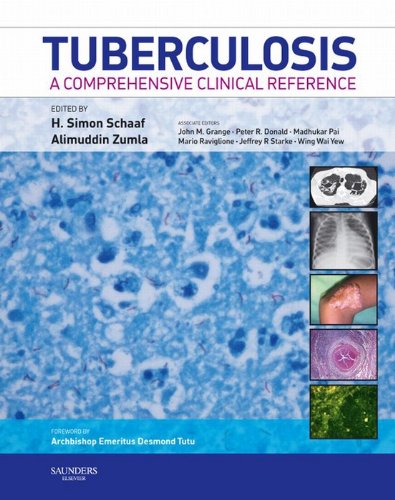
Tuberculosis: A Comprehensive Clinical Reference: Zumla BSc.MBChB.MSc.PhD.FRCP(Lond).FRCP(Edin).FRCPath(UK), Alimuddin, Schaaf MBChB(Stellenbosch) MMed Paed(Stellenbosch) DCM(Stellenbosch) MD Paed(Stellenbosch), H. Simon
by Alimuddin Zumla BSc.MBChB.MSc.PhD.FRCP(Lond).FRCP(Edin).FRCPath(UK) (Author), H. Simon Schaaf MBChB(Stellenbosch) MMed Paed(Stellenbosch) DCM(Stellenbosch) MD Paed(Stellenbosch) (Author)

3M Aura Particulate N95 Respirator 9205+, Flat Fold ...
Niosh · 3m · Kids · Duckbill · Adult See more · Eligible for Free Shipping · Free Shipping by Amazon · Get FREE Shipping on eligible orders shipped by Amazon · Delivery Day · Get It Today · Get It by

LEVOIT Air Purifier for Home Allergens Pet Hair in Bedroom, Covers Up to 1073 ft² by 56W High Torque Motor, AHAM VERIFIDE, 3-in-1 Filter with HEPA Sleep Mode, Remove Dust Smoke Odor, Core300-P, White
LEVOIT Core 300-P Replacement Filter Air Purifier Pet Allergy, Genuine Core300S-P Filters, Supports HEPA Sleep Mode, High-Efficiency Activated Carbon, Core 300-RF-PA, Yellow, 1 Pack ... 2 Pack Core Mi
Evidence & Sources
Supported by multiple clinical trials and systematic reviews
- World Health Organization (WHO) Global Tuberculosis Report
- Centers for Disease Control and Prevention (CDC) Tuberculosis Resources
- National Institutes of Health (NIH) / National Institute of Allergy and Infectious Diseases
- New England Journal of Medicine
- The Lancet Infectious Diseases
- Clinical Infectious Diseases
- World Health Organization Consolidated Guidelines on Tuberculosis
- National Center for Complementary and Integrative Health (NCCIH)
This content is for informational purposes only and does not constitute medical advice. Always consult a qualified healthcare provider before starting, stopping, or changing any supplement or medication regimen.