

Human Immunodeficiency Virus
Also known as: HIV, HIV/AIDS
Overview
Human immunodeficiency virus (HIV) is a chronic viral infection that targets the immune system, particularly CD4 T lymphocytes, which play a central role in coordinating immune defense. Over time, untreated HIV can progressively weaken immune function and increase vulnerability to opportunistic infections, certain cancers, and other complications. Acquired immunodeficiency syndrome (AIDS) refers to the most advanced stage of HIV infection, defined by severe immune suppression or the presence of specific opportunistic illnesses. Since the introduction of effective antiretroviral therapy, HIV has increasingly been managed as a long-term medical condition rather than an invariably fatal disease.
HIV remains a major global public health issue. According to international health agencies, tens of millions of people worldwide are living with HIV, with prevalence and outcomes shaped by factors such as access to testing, treatment availability, stigma, socioeconomic conditions, and coexisting infections such as tuberculosis and viral hepatitis. Transmission occurs through exposure to infected blood, semen, vaginal fluids, rectal fluids, or breast milk, most commonly through sexual contact, sharing injection equipment, or perinatal transmission. HIV is not spread through casual contact, air, water, or routine social interaction.
The condition is clinically significant not only because of immune suppression, but also because HIV can affect many organ systems and may be associated with chronic inflammation, cardiovascular risk, neurocognitive changes, kidney disease, liver disease, bone loss, and mental health challenges. Early infection may cause a flu-like illness in some individuals, while others have no noticeable symptoms for years. Because HIV can remain asymptomatic while still transmissible, screening and accurate diagnosis play a central role in public health strategy.
Modern care focuses on early diagnosis, long-term viral suppression, prevention of transmission, monitoring of immune recovery, and management of associated conditions. Research consistently indicates that people living with HIV who receive sustained, effective treatment can often achieve near-normal life expectancy. At the same time, many communities continue to explore supportive approaches from traditional and integrative systems to address quality of life, nutrition, stress, fatigue, and whole-person well-being. Any integrative care approach is generally considered within the context of ongoing medical management and collaboration with qualified healthcare professionals.
Medical Perspectives
Two Ways of Seeing Health

Western
scientific · clinical
Western medicine applies science, technology, and clinical experience to treat symptoms through testing, diagnosis, and targeted intervention.

Eastern
traditional · alternative
Eastern medicine focuses on treating the body naturally by applying traditional knowledge practiced for thousands of years, emphasizing balance and whole-person wellness.
Gold Bamboo presents both perspectives side-by-side so you can make informed decisions. We don't advocate for one over the other — your health choices are yours.
Western Medicine Perspective
Western Medicine Perspective
From a conventional medical standpoint, HIV is understood as a retroviral infection caused primarily by HIV-1, and less commonly by HIV-2. The virus enters host cells by binding to the CD4 receptor and co-receptors such as CCR5 or CXCR4, then integrates its genetic material into the host genome. Diagnosis is typically based on laboratory testing, including antigen-antibody assays and confirmatory testing, with viral load measurement and CD4 cell count used to assess disease status and treatment response. Genotypic resistance testing may also be used to guide therapy selection.
The cornerstone of standard management is antiretroviral therapy (ART), which uses combinations of medications to suppress viral replication. Research has shown that consistent viral suppression preserves immune function, reduces the risk of progression to AIDS, and dramatically lowers sexual transmission risk. Preventive strategies are also central in western medicine, including routine screening in appropriate settings, pre-exposure prophylaxis (PrEP), post-exposure prophylaxis (PEP), safer-sex interventions, harm-reduction approaches, and treatment during pregnancy to reduce perinatal transmission. Vaccination, screening for coinfections, and monitoring for medication-related effects are also common elements of comprehensive care.
Conventional medicine also recognizes HIV as a condition shaped by social determinants of health. Stigma, unstable housing, limited access to care, substance use disorders, mental health conditions, and structural inequities can all affect outcomes. As a result, contemporary HIV care often includes a multidisciplinary model involving infectious disease specialists, primary care clinicians, pharmacists, mental health professionals, social workers, and community-based support systems.
Eastern & Traditional Perspective
Eastern and Traditional Medicine Perspective
In Traditional Chinese Medicine (TCM), HIV is not described as a single disease entity in the modern biomedical sense, but its manifestations may be interpreted through patterns such as qi deficiency, yin deficiency, heat-toxin accumulation, dampness, blood stasis, or depletion of the body's defensive energy. Traditional assessment focuses on the person's symptom pattern, vitality, digestion, sleep, emotional state, and tongue and pulse findings rather than on viral mechanisms alone. TCM literature has historically discussed supportive goals such as improving resilience, appetite, fatigue, night sweats, digestive discomfort, and overall balance during chronic illness.
In Ayurveda, HIV-related illness may be understood through frameworks involving ojas depletion, impaired immunity, agni disturbance, tissue weakness, and systemic imbalance among the doshas. Traditional Ayurvedic interpretation often emphasizes nourishment, restoration, digestion, stress regulation, and maintaining systemic equilibrium. In naturopathic and other integrative traditions, HIV is sometimes approached through broader supportive themes such as nutrition, sleep, mind-body health, and symptom burden.
Research on eastern and traditional approaches in HIV has generally focused on adjunctive supportive care, such as quality of life, fatigue, gastrointestinal symptoms, neuropathy, stress, and immune-related biomarkers. Some studies suggest possible benefits of selected complementary practices, including acupuncture or certain herbal formulations, for symptom management in people living with HIV. However, the evidence is mixed, many studies are small or heterogeneous, and herb-drug interactions are an important concern because some botanical products may alter antiretroviral metabolism. For that reason, traditional approaches are generally discussed as complementary rather than substitutive, and consultation with qualified healthcare professionals is important when combining modalities.
Related Topics
Tuberculosis
Tuberculosis — condition topic in the Gold Bamboo health ontology.
How They Relate
Tuberculosis & HIV
Tuberculosis (TB) and HIV are two of the world’s most consequential infectious diseases, and their interaction creates a syndemic with outsized impact on illness and death. Globally, roughly 6–8% o...
Supplements & Products
Recommended Products
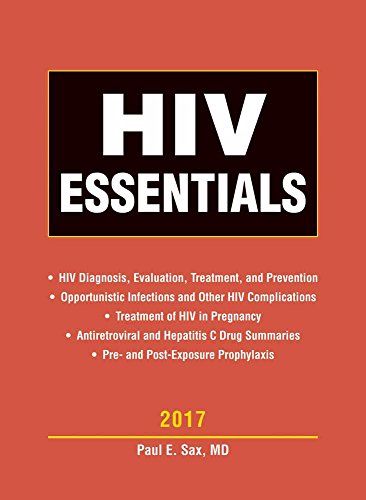
HIV Essentials 2017: .: Sax, Paul E., Cohen, Calvin J., Kuritzkes, Daniel R.
Sax teaches regularly on HIV and infectious diseases locally, nationally, and internationally. In addition to his clinical practice, writing, and teaching, his ongoing areas of research include clinic

OraQuick® HIV Self-Test, Oral Fluid Rapid HIV Test for HIV-1 & HIV-2 Detection, Quick & Easy Pain Free Home Testing Kit with Results in 20 Minutes, Ages 14+
In-vitro diagnostic home-use test for HIV (HIV-1 and HIV-2) in oral fluid · The OraQuick® Self-Test HIV Test kit <strong>includes a test device with a specialized oral swab, a developer solution, and

AUVON Weekly Pill Organizer Arthritis Friendly, BPA Free Travel 7 Day Pill Box Case with Spring Open Design and Large Compartment to Hold Vitamins, Cod Liver Oil, Supplements and Medication
Enlarged Weekly Pill Organizer 7 Day, Daily Pill Box with Never Faded Etched 3D Date Labels, Travel Pill Case with Large Compartment for Medication, Vitamin, Fish Oil, Supplements(Rainbow) AUVON Weekl
Evidence & Sources
Supported by multiple clinical trials and systematic reviews
- World Health Organization (WHO)
- UNAIDS
- U.S. Centers for Disease Control and Prevention (CDC)
- National Institutes of Health (NIH) HIVinfo
- The Lancet HIV
- New England Journal of Medicine
- Journal of the International AIDS Society
- National Center for Complementary and Integrative Health (NCCIH)
This content is for informational purposes only and does not constitute medical advice. Always consult a qualified healthcare provider before starting, stopping, or changing any supplement or medication regimen.