

Tendonitis
Also known as: Tendinopathy, Tendonitis (Tendinopathy)
Overview
Tendonitis is a commonly used term for pain and dysfunction involving a tendon, the strong connective tissue that attaches muscle to bone. In current medical literature, tendinopathy is often the broader and more accurate term, because many persistent tendon problems involve not only inflammation but also degeneration, altered collagen structure, impaired healing, and changes in tendon loading capacity. Common sites include the Achilles tendon, patellar tendon, rotator cuff, lateral elbow (tennis elbow), and wrist or thumb tendons.
Tendinopathy is significant because it affects both athletes and non-athletes, often interfering with work, exercise, daily movement, and quality of life. Repetitive loading, abrupt increases in activity, poor recovery, age-related tissue change, metabolic factors, biomechanics, and occupational strain can all contribute. Some tendon disorders develop after acute overuse, while others emerge gradually over weeks or months. In many cases, pain does not correlate perfectly with the degree of structural change seen on imaging, which is one reason this condition can be clinically complex.
From a modern integrative viewpoint, tendinopathy is best understood as a load-related tendon disorder rather than a purely inflammatory condition. Research suggests that mechanical stress, local tissue remodeling, nerve sensitization, and systemic influences such as obesity, diabetes, or inflammatory disease may all play a role. This helps explain why some people recover quickly, while others experience chronic or recurrent symptoms.
Across health systems, management discussions often focus on restoring function, reducing aggravating strain, and supporting tissue adaptation over time. Conventional medicine emphasizes diagnosis, graded rehabilitation, and selective use of medications or procedures. Traditional systems such as Traditional Chinese Medicine (TCM), Ayurveda, and naturopathic approaches often interpret tendon pain through broader patterns involving circulation, tissue nourishment, constitutional balance, and recovery capacity. Because persistent tendon pain can overlap with tendon tears, bursitis, arthritis, or referred pain, clinical evaluation is often important when symptoms are severe, prolonged, or unclear.
Compare Treatment Options
Tendinitis is a general term commonly used for pain arising from a tendon, the fibrous tissue that connects muscle to bone. In modern musculoskeletal care, clinicians often use the broader term tendinopathy, because many longer-lasting tendon problems involve a mix of overload, failed healing, collagen disorganization, and pain sensitization rather than classic short-term inflammation alone. Common sites include the shoulder rotator cuff, elbow, patellar tendon, Achilles tendon, and wrist. Symptoms often include activity-related pain, local tenderness, stiffness, and reduced tolerance for gripping, lifting, running, or repetitive motion. Treatment options vary because tendon pain behaves differently depending on location, duration, severity, and the mechanical demands placed on the tissue. Early flare-ups may respond to load reduction and symptom relief, while persistent cases often improve more from a structured tendon-loading program than from passive treatments alone. Western care tends to emphasize diagnosis, graded rehabilitation, pain control, and selected procedures for resistant cases. Eastern and integrative approaches, such as acupuncture and manual bodywork, are often used to help with pain, surrounding muscle tension, and function. In many cases, the most practical strategy is not choosing one tradition over the other, but understanding which tools may fit the stage of the condition and the person’s goals.
View treatment comparison (7 options)Medical Perspectives
Two Ways of Seeing Health

Western
scientific · clinical
Western medicine applies science, technology, and clinical experience to treat symptoms through testing, diagnosis, and targeted intervention.

Eastern
traditional · alternative
Eastern medicine focuses on treating the body naturally by applying traditional knowledge practiced for thousands of years, emphasizing balance and whole-person wellness.
Gold Bamboo presents both perspectives side-by-side so you can make informed decisions. We don't advocate for one over the other — your health choices are yours.
Western Medicine Perspective
Western Medicine Perspective
In conventional medicine, tendinopathy is generally understood as a disorder of failed tendon adaptation. Histologic studies have shown that many chronic cases involve collagen disorganization, increased ground substance, neovascularization, and tenocyte changes, with less classic inflammatory-cell infiltration than the word tendonitis implies. For this reason, clinicians often distinguish acute inflammatory presentations from longer-term degenerative or mixed tendinopathy. Diagnosis is typically based on clinical history and examination, sometimes supported by ultrasound or MRI when there is concern about tear, rupture, or competing diagnoses.
Current rehabilitation models emphasize mechanical loading as both a cause and a treatment principle. Studies indicate that appropriately dosed exercise-based rehabilitation—especially eccentric loading, heavy slow resistance, or graded tendon-loading programs—is central to long-term recovery in many tendon disorders. Conventional care may also consider short-term activity modification, physical therapy, biomechanical assessment, and in selected cases modalities such as bracing, shockwave therapy, or procedural interventions. Anti-inflammatory medications may help some acute pain states, but their role is more limited in chronic tendinopathy where inflammation is not the sole driver.
Evidence for injections and procedures is mixed and site-dependent. Corticosteroid injections may provide short-term symptom relief in some conditions but have raised concerns about recurrence, tendon weakening, or poorer long-term outcomes in certain contexts. Research on platelet-rich plasma (PRP), prolotherapy, percutaneous procedures, and extracorporeal shockwave therapy remains heterogeneous, with variable results depending on the tendon involved and study design. Surgery is generally reserved for selected refractory cases after a substantial period of unsuccessful conservative management.
Conventional medicine also increasingly recognizes broader risk factors. Age, training errors, occupational repetition, altered lower-limb mechanics, muscle weakness, hypercholesterolemia, diabetes, smoking, and certain medications such as fluoroquinolone antibiotics have all been associated with tendon problems. This wider lens aligns with the view that tendinopathy is not simply a local injury, but a condition influenced by both mechanical and systemic health factors.
Eastern & Traditional Perspective
Eastern/Traditional Medicine Perspective
In Traditional Chinese Medicine (TCM), tendon and sinew disorders are often understood through the concept of the Liver governing the tendons, with pain arising from patterns such as Qi and Blood stagnation, Wind-Cold-Damp obstruction, or deficiency of Liver and Kidney systems that leaves the sinews undernourished. Acute overuse-type pain may be framed as local stagnation from trauma or repetitive strain, while chronic weakness, stiffness, or recurrent pain may be viewed as reflecting deeper deficiency and impaired circulation. TCM approaches traditionally include acupuncture, moxibustion, manual therapies, movement practices, and individualized herbal formulas, selected according to pattern differentiation rather than diagnosis name alone.
Clinical research on acupuncture for tendinopathy is growing but remains mixed. Some studies suggest acupuncture may help reduce pain and improve function in conditions such as lateral epicondylalgia, rotator cuff-related shoulder pain, and Achilles tendinopathy, although methodology and comparator quality vary. Proposed biomedical explanations include effects on pain modulation, local circulation, neuromuscular tone, and inflammatory signaling, but the exact mechanisms remain under investigation. In integrative settings, acupuncture is often discussed as an adjunctive modality rather than a standalone solution.
In Ayurveda, tendon and periarticular pain may be interpreted through disturbances of Vata dosha, particularly when pain is dry, mobile, recurrent, or aggravated by overuse. Tissue depletion, impaired nourishment of mamsa (muscle) and asthi-related structures, and localized obstruction may also be considered. Traditional Ayurvedic care may involve herbal preparations, medicated oils, heat-based external therapies, and restorative movement strategies, all tailored to constitution and symptom pattern. As with many traditional frameworks, terminology does not map perfectly onto modern orthopedic categories.
Naturopathic and other traditional systems often emphasize the terrain in which tendon injury develops: recovery capacity, repetitive strain, sleep, digestion, systemic inflammation, and whole-body biomechanics. These approaches frequently combine conservative physical methods with broader lifestyle assessment. While many of these practices have longstanding traditional use, the quality of modern evidence varies considerably, and individualized traditional assessments may differ substantially from conventional diagnostic models. Collaboration with qualified healthcare professionals is often important, particularly when rupture, significant weakness, or persistent disability is a concern.
Related Topics
Cold Laser Therapy
Cold Laser Therapy — modality topic in the Gold Bamboo health ontology.
How They Relate
Tendonitis (Tendinopathy) & Cold Laser Therapy (Photobiomodulation)
Tendonitis—often used broadly to include chronic tendinopathy—refers to pain and dysfunction in a tendon. Acute inflammatory tendonitis usually follows an abrupt increase in load and features local...
Supplements & Products
Recommended Products
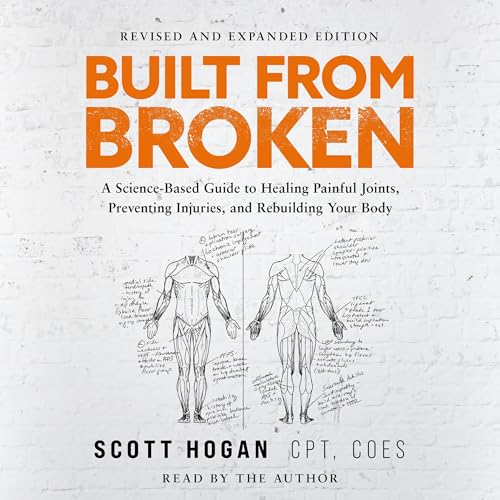
Built from Broken: A Science-Based Guide to Healing Painful Joints, Preventing Injuries, and Rebuilding Your Body: Hogan, Scott H
Built from Broken: <strong>A Science-Based Guide to Healing Painful Joints, Preventing Injuries, and Rebuilding Your Body</strong> [Hogan, Scott H] on Amazon.com. *FREE* shipping on qualifying offers.

Voltaren Arthritis Pain Relief Gel, Diclofenac Sodium, 1% (NSAID), Clinically Proven Powerful Pain Reliever with Easy Open Flip Top Cap, No Prescription Needed, 5.3oz
Buy Voltaren Arthritis Pain Relief Gel, Diclofenac Sodium, 1% (NSAID), Clinically Proven Powerful Pain Reliever with Easy Open Flip Top Cap, No Prescription Needed, 5.3oz on Amazon.com ✓ FREE SHIPPING
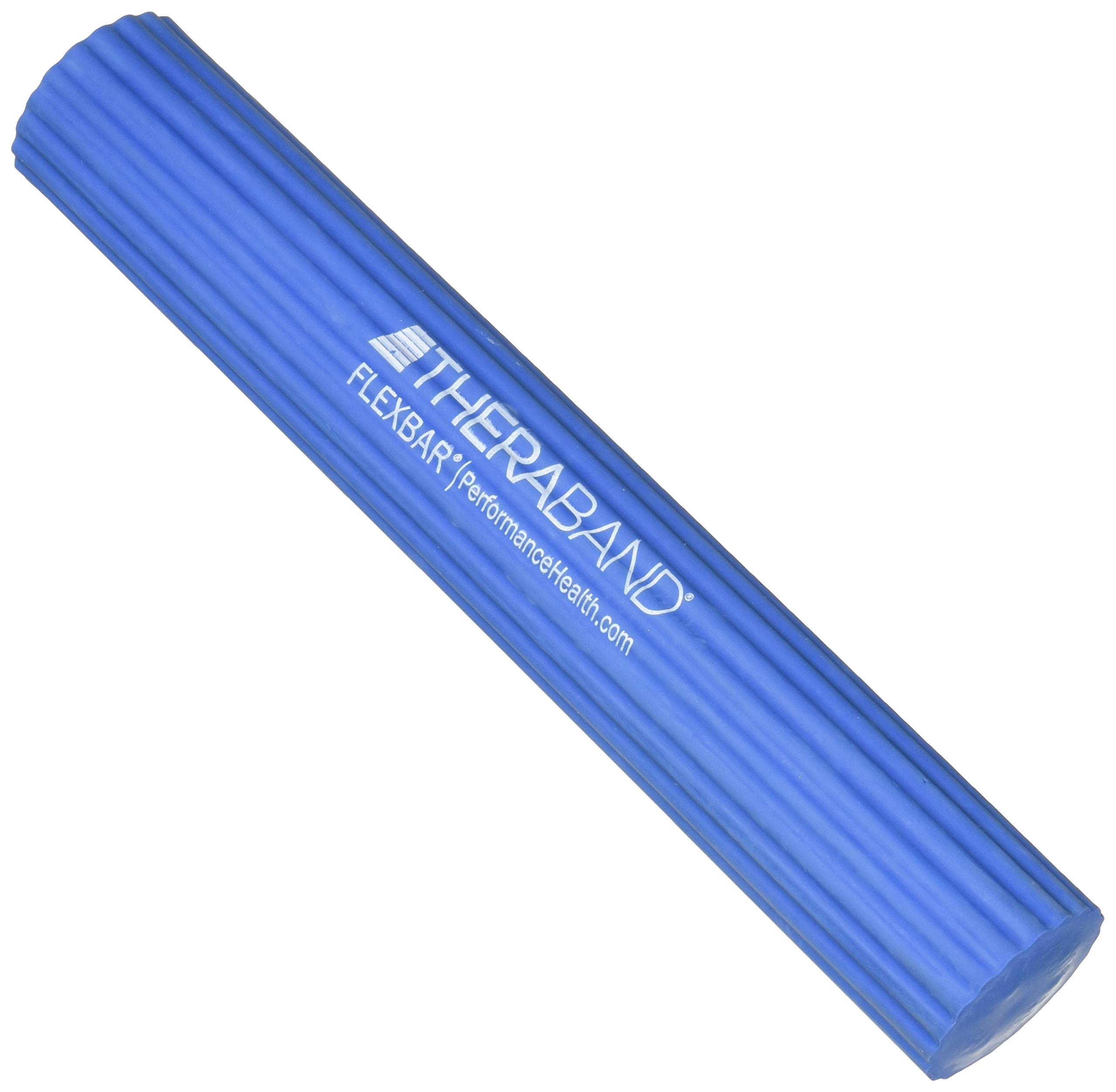
TheraBand - 13090 FlexBar, Tennis Elbow Therapy Bar, Relieve Tendonitis Pain & Improve Grip Strength, Resistance Bar for Golfers Elbow & Tendinitis, Green, Medium, Intermediate
TheraBand FlexBar Green is <strong>ideal for those suffering from tennis elbow pain, looking to increase flexibility and range of motion, and to strengthen the elbow, wrist, forearm, and hand</strong>
Evidence & Sources
Promising research with growing clinical support from multiple studies
- National Institute of Arthritis and Musculoskeletal and Skin Diseases (NIAMS)
- National Center for Complementary and Integrative Health (NCCIH)
- British Journal of Sports Medicine
- Journal of Orthopaedic & Sports Physical Therapy
- The Lancet
- American Journal of Sports Medicine
- Journal of Shoulder and Elbow Surgery
- BMJ
- World Health Organization (WHO)
- Sports Medicine
This content is for informational purposes only and does not constitute medical advice. Always consult a qualified healthcare provider before starting, stopping, or changing any supplement or medication regimen.