

Sepsis
Overview
Sepsis is a life-threatening condition that arises when the body’s response to an infection becomes dysregulated, leading to widespread inflammation, tissue injury, organ dysfunction, and, in severe cases, shock and death. It is not simply an infection itself; rather, it is the body’s harmful systemic reaction to infection. Sepsis can develop from bacterial, viral, fungal, or parasitic infections and may begin in the lungs, urinary tract, abdomen, skin, or bloodstream. When circulation and cellular metabolism become severely impaired, the condition may progress to septic shock, a more dangerous subset associated with profound blood pressure abnormalities and high mortality.
Globally, sepsis represents a major public health burden. Research published through major international health organizations suggests that millions of cases occur each year worldwide, with especially high impact among newborns, older adults, pregnant people, hospitalized patients, and those with weakened immune systems or chronic disease. Even when survival is achieved, recovery may be prolonged, and some individuals experience long-term physical, cognitive, or psychological effects often referred to as post-sepsis syndrome.
Common symptoms can include fever or abnormally low temperature, rapid heart rate, fast breathing, confusion, extreme weakness, low blood pressure, decreased urination, and signs related to the underlying infection. These features can overlap with many other serious illnesses, which is one reason sepsis can be difficult to recognize early. Modern definitions emphasize infection plus organ dysfunction, highlighting that the condition becomes particularly dangerous when the lungs, kidneys, brain, heart, liver, or clotting system begin to fail.
From a health systems perspective, sepsis is considered a medical emergency. Early recognition and timely supportive care are central to reducing complications. At the same time, sepsis is an area where prevention matters greatly: vaccination, infection control, prompt evaluation of serious infections, safe childbirth practices, and careful management of wounds and invasive devices all play important roles. Because sepsis moves quickly and can become fatal within hours, any concern about possible sepsis warrants urgent assessment by qualified medical professionals.
Medical Perspectives
Two Ways of Seeing Health

Western
scientific · clinical
Western medicine applies science, technology, and clinical experience to treat symptoms through testing, diagnosis, and targeted intervention.

Eastern
traditional · alternative
Eastern medicine focuses on treating the body naturally by applying traditional knowledge practiced for thousands of years, emphasizing balance and whole-person wellness.
Gold Bamboo presents both perspectives side-by-side so you can make informed decisions. We don't advocate for one over the other — your health choices are yours.
Western Medicine Perspective
Western Medicine Perspective
In conventional medicine, sepsis is understood as a syndrome of dysregulated host response to infection that results in organ dysfunction. Current clinical frameworks, including the Sepsis-3 definitions, describe sepsis as life-threatening organ dysfunction caused by infection, while septic shock refers to a subset marked by persistent circulatory and metabolic abnormalities despite fluid resuscitation. The pathophysiology is complex and involves inflammatory signaling, endothelial injury, coagulation abnormalities, immune dysfunction, microvascular changes, and impaired oxygen delivery and use at the tissue level.
Diagnosis in western medicine relies on identifying a suspected or confirmed infection alongside evidence of organ dysfunction. Clinicians may use laboratory markers such as lactate, blood counts, kidney and liver function tests, coagulation studies, and cultures, together with bedside scoring tools such as SOFA or qSOFA in selected settings. Imaging may be used to locate the source of infection, such as pneumonia, abscess, or urinary obstruction. Management in hospitals typically focuses on rapid stabilization, source identification and control, antimicrobial therapy, intravenous fluids, hemodynamic support when needed, oxygen or ventilatory support, and close monitoring in emergency or intensive care settings.
A major principle in conventional care is that outcomes tend to improve with early recognition and timely treatment, although the exact timing and intensity of interventions are tailored to the clinical scenario. Research has also highlighted the importance of antimicrobial stewardship, because not every ill patient has sepsis and unnecessary antibiotics carry risks. Survivorship is another major area of focus: after the acute phase, follow-up may address weakness, neuropathy, kidney injury, trauma-related stress, delirium recovery, and recurrent infection risk. Because sepsis can deteriorate rapidly, conventional medicine treats it as an urgent, high-acuity condition requiring professional evaluation rather than self-management.
Eastern & Traditional Perspective
Eastern/Traditional Medicine Perspective
Traditional medical systems do not define sepsis in the same biomedical terms used in modern critical care, but many have long described severe systemic illness following infection, high fever, toxin-like states, collapse, delirium, or failure of vitality. In Traditional Chinese Medicine (TCM), presentations that resemble severe infection with systemic decline may be interpreted through patterns such as heat toxin, epidemic febrile disease, qi collapse, ying and blood level disturbance, or depletion of qi and yin in advanced stages. The emphasis is often on the changing pattern of excess and deficiency: an intense pathogenic factor may initially present as heat, toxicity, agitation, or altered consciousness, while later stages may show exhaustion, cold extremities, weak pulse, or collapse of vital qi.
In Ayurveda, severe infection-related systemic deterioration may be discussed in relation to profound imbalance involving agni disruption, accumulation of ama (toxic or undigested metabolic burden), disturbance of the doshas, and eventual impairment of vital tissues and consciousness. Traditional frameworks may also focus on lowered resilience, digestive weakness, environmental factors, and the body’s ability to maintain internal balance under infectious stress. Naturopathic and other traditional systems often place broader attention on terrain, immune resilience, recovery support, and restoration after serious illness.
It is important, however, to distinguish historical interpretation from modern emergency care. Sepsis is a rapidly progressive medical emergency, and traditional or integrative approaches are not considered substitutes for hospital-based diagnosis and treatment. Research into adjunctive integrative therapies in critical illness exists but remains limited, heterogeneous, and insufficient to establish traditional approaches as primary treatment for sepsis. In practice, eastern and traditional perspectives may contribute most meaningfully in discussions of constitution, recovery, convalescence, stress regulation, and long-term restoration after acute medical stabilization, ideally in coordination with licensed healthcare professionals.
Related Topics
Pneumonia
Pneumonia — condition topic in the Gold Bamboo health ontology.
How They Relate
Pneumonia & Sepsis
Pneumonia is an infection of the lungs caused by bacteria, viruses, or fungi, leading to inflamed air sacs that may fill with fluid or pus. Sepsis is a life‑threatening organ dysfunction resulting ...
Supplements & Products
Recommended Products
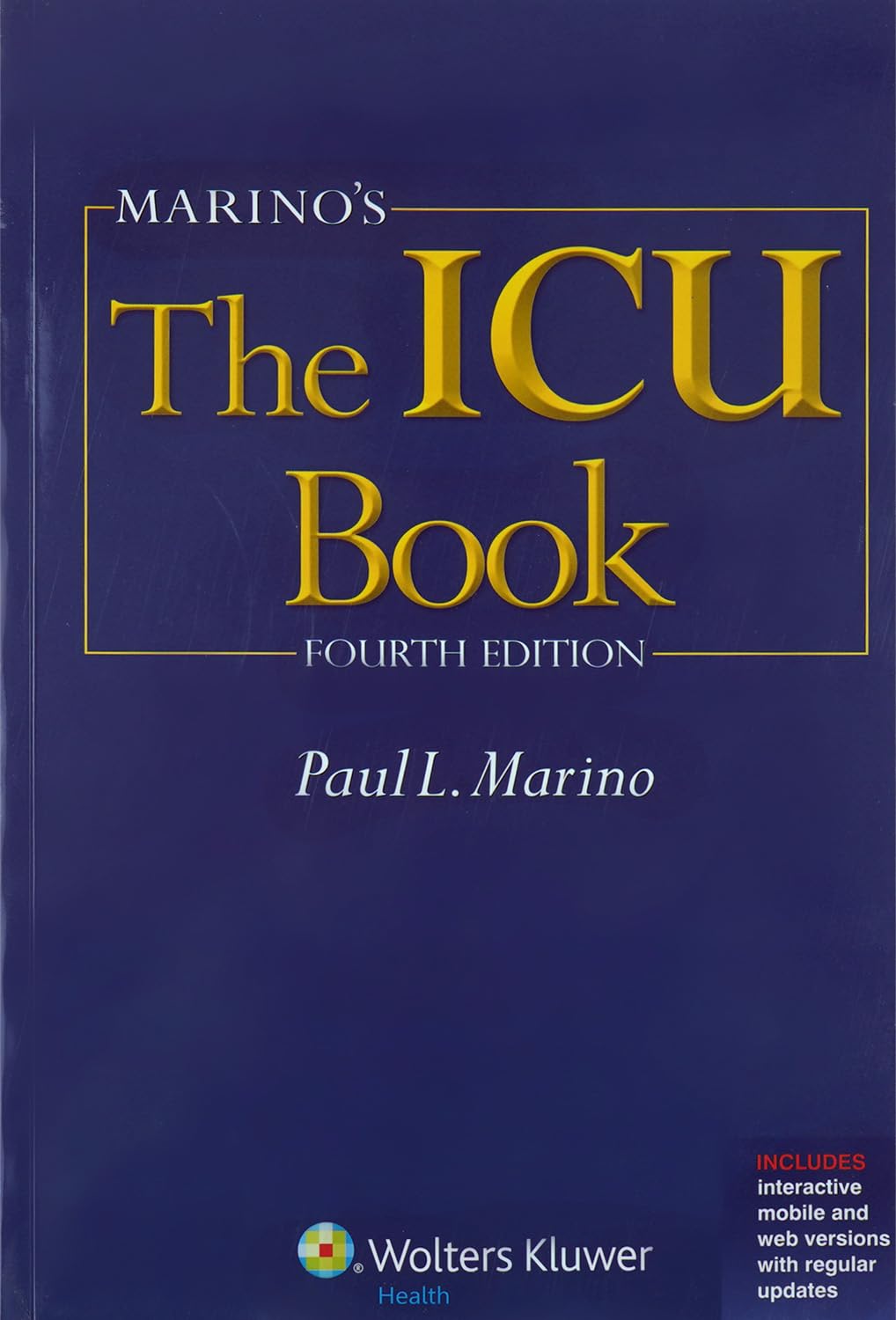
Marino's The ICU Book: Print
Learn more · <strong>A fundamental and respected resource book in critical care</strong>, The ICU Book, Fourth Edition, continues to provide the current and practical guidance that have made it the be
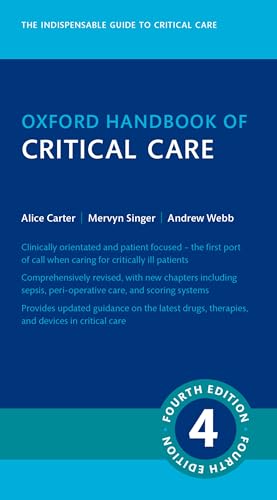
Oxford Handbook of Critical Care (Oxford Medical Handbooks) eBook : Singer, Mervyn, Webb, Andrew: Kindle Store
by Mervyn Singer (Author), Andrew Webb (Author) Format: Kindle Edition · Part of: Oxford Handbooks (97 books) See all formats and editions · The fully revised, <strong>third edition</strong> of this b
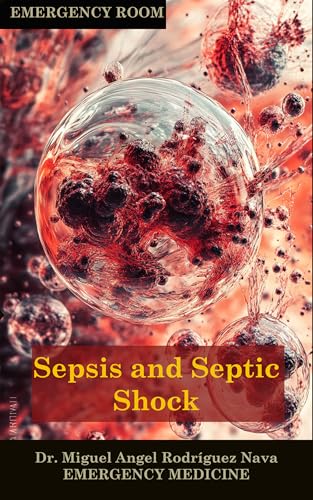
Sepsis and Septic Shock: Navigating Sepsis and Septic Shock: A Critical Review of the Sepsis-3 Definitions, Clinical Criteria, and Implications for Patient Management
"Key Highlights: • Comprehensive Coverage: Covers all relevant aspects of sepsis, from basic science to clinical application. • Sepsis-3 Focus: Emphasizes the latest definitions and criteria, pro
Evidence & Sources
Supported by multiple clinical trials and systematic reviews
- World Health Organization (WHO)
- Surviving Sepsis Campaign Guidelines
- JAMA
- The New England Journal of Medicine
- The Lancet
- Centers for Disease Control and Prevention (CDC)
- National Institute of General Medical Sciences (NIGMS/NIH)
- Intensive Care Medicine
This content is for informational purposes only and does not constitute medical advice. Always consult a qualified healthcare provider before starting, stopping, or changing any supplement or medication regimen.