

Rapid Weight Loss
Overview
Rapid weight loss generally refers to a noticeable reduction in body weight over a short period of time, whether intentional or unintentional. In clinical settings, unintentional loss of roughly 5% or more of body weight within 6 to 12 months is often treated as medically significant, especially in older adults or people with chronic illness. Rapid weight loss may occur through severe calorie restriction, acute illness, gastrointestinal disorders, endocrine disease, cancer, infection, medication effects, mental health conditions, or changes in fluid balance rather than true loss of body tissue.
This topic is important because weight change is not a diagnosis by itself; it is a sign that may reflect underlying physiologic, psychological, or social factors. In some contexts, rapid loss may be celebrated culturally when it follows dieting efforts, but medically it can be associated with malnutrition, gallstones, muscle loss, hormonal disruption, fatigue, menstrual irregularities, reduced bone health, and weakened immune resilience. In people with obesity, some weight reduction can improve metabolic markers, yet the speed and method of loss still matter.
Research and clinical observation suggest that rapid weight loss can involve several body compartments at once: water, glycogen, fat mass, and lean body mass. Early dramatic drops on restrictive diets often reflect fluid and glycogen depletion, while ongoing accelerated loss may increase the risk of losing muscle tissue along with fat. This distinction is significant because preservation of lean mass is closely tied to strength, metabolic rate, recovery from illness, and overall health outcomes.
Rapid weight loss also has a broad differential diagnosis. Possible contributors include hyperthyroidism, uncontrolled diabetes, malabsorption, inflammatory bowel disease, chronic infection, malignancy, depression, eating disorders, substance use, and medication-related appetite suppression, among others. Because the causes range from benign to serious, medical evaluation is often important when weight loss is unexplained, persistent, or accompanied by symptoms such as fever, pain, diarrhea, night sweats, palpitations, weakness, or changes in mood or appetite.
Medical Perspectives
Two Ways of Seeing Health

Western
scientific · clinical
Western medicine applies science, technology, and clinical experience to treat symptoms through testing, diagnosis, and targeted intervention.

Eastern
traditional · alternative
Eastern medicine focuses on treating the body naturally by applying traditional knowledge practiced for thousands of years, emphasizing balance and whole-person wellness.
Gold Bamboo presents both perspectives side-by-side so you can make informed decisions. We don't advocate for one over the other — your health choices are yours.
Western Medicine Perspective
Western Medicine Perspective
In conventional medicine, rapid weight loss is approached as a clinical finding rather than a standalone disease. The first priority is usually to determine whether the loss is intentional or unintentional, and whether it reflects true tissue loss or temporary shifts in fluid balance. A standard evaluation may consider dietary intake, recent illness, gastrointestinal symptoms, endocrine function, medication use, mental health, substance use, infection risk, and age-related factors. Clinicians often assess body composition trends, nutritional status, and associated symptoms rather than focusing on scale weight alone.
Potential medical explanations include endocrine disorders such as hyperthyroidism or poorly controlled diabetes; gastrointestinal and malabsorptive conditions such as celiac disease, inflammatory bowel disease, or pancreatic insufficiency; systemic illness including cancer, chronic infection, heart failure, or pulmonary disease; and psychiatric causes such as depression, anxiety, or eating disorders. In older adults, unexplained weight loss is particularly concerning because it may correlate with frailty, sarcopenia, hospitalization, and increased mortality risk. Studies also indicate that very low-calorie diets and aggressive weight-cutting practices can trigger complications including electrolyte imbalance, dehydration, gallstone formation, menstrual disruption, and loss of lean muscle mass.
From a management perspective, conventional care generally emphasizes identifying the underlying cause and addressing nutritional consequences. Depending on the context, this may involve laboratory testing, imaging, dietetic assessment, screening for disordered eating, and review of medications or chronic disease status. In obesity medicine, structured weight-loss interventions are usually framed around sustainability, metabolic health, and preservation of muscle mass, with recognition that faster is not always better. Consultation with qualified healthcare professionals is especially relevant when weight loss is rapid, unexplained, or associated with systemic symptoms.
Eastern & Traditional Perspective
Eastern and Traditional Medicine Perspective
In Traditional Chinese Medicine (TCM), rapid weight loss is typically understood through patterns of imbalance rather than a single disease category. Traditional frameworks may associate marked weight loss with patterns such as Spleen Qi deficiency, Stomach Yin deficiency, Lung or Kidney deficiency, or internal heat consuming fluids and nourishment, depending on the broader symptom picture. If weight loss is accompanied by poor appetite, fatigue, loose stools, and weakness, it may be viewed as impaired transformation and transportation of nutrients; if accompanied by thirst, dryness, restlessness, or night sweats, traditional interpretation may emphasize depletion of Yin or body fluids. TCM assessment usually considers appetite, digestion, sleep, emotional state, pulse, and tongue findings.
In Ayurveda, unexplained or excessive weight loss may be discussed in relation to dhatu depletion, disturbed agni (digestive/metabolic fire), or aggravation of Vata dosha, particularly when there is dryness, weakness, anxiety, irregular appetite, or tissue wasting. Traditional Ayurvedic texts also describe forms of emaciation and depletion that arise from poor digestion, chronic illness, overexertion, grief, or inadequate nourishment. The emphasis is often on understanding whether the body is failing to assimilate nutrients, burning them too quickly, or becoming depleted through stress and systemic imbalance.
In naturopathic and other traditional systems, rapid weight loss may be interpreted as a signal to assess the whole person: digestion, stress load, sleep, inflammatory burden, constitution, and vitality. These traditions often place importance on restoring balance, supporting nourishment, and investigating whether appetite, absorption, or energy regulation has been disrupted. While such frameworks can offer useful context for symptom patterns and lifestyle contributors, serious or unexplained weight loss warrants conventional medical assessment because potentially dangerous causes—such as endocrine disease, infection, malignancy, or eating disorders—require timely diagnosis.
Related Topics
Gallstones
Gallstones — condition topic in the Gold Bamboo health ontology.
How They Relate
Gallstones & Rapid Weight Loss
Rapid weight loss and gallstones are closely linked. When weight drops quickly—after very‑low‑calorie diets, crash dieting, prolonged fasting, or bariatric surgery—the bile can become supersaturate...
Supplements & Products
Recommended Products
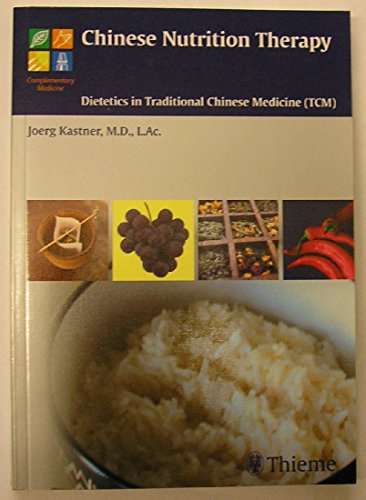
Chinese Nutrition Therapy: Dietetics in Traditional Chinese Medicine (TCM)
Joerg Kastner's introduction to the principles of TCM and the "energetics" of foods <strong>emphasizes a holistic approach throughout, providing readers with tools for integrating the p

Ensure Plus Vanilla Nutrition Shake With Fiber | Meal Replacement Shake | Ready to Drink | 16g Protein and 27 Vitamins and Minerals | 8 fl oz - 24 Pack
Buy Ensure Plus Vanilla Nutrition Shake With Fiber | Meal Replacement Shake | Ready to Drink | 16g Protein and 27 Vitamins and Minerals | 8 fl oz - 24 Pack on Amazon.com ✓ FREE SHIPPING on qualified o

WITHINGS Body Smart - Accurate Scale for Body Weight and Fat Percentage, Body Composition Wi-Fi and Bluetooth Weight Scale, Baby Weight Scale, Smart Scale Apple Health Compatible, Bathroom Scale
ACHIEVE YOUR WEIGHT GOALS FASTER - <strong>Reliably track your weight to within 50 g and view your weight trends directly on the scale's high-resolution color display</strong>. INCREASE MUSCLE MA
Evidence & Sources
Promising research with growing clinical support from multiple studies
- National Institute of Diabetes and Digestive and Kidney Diseases (NIDDK)
- National Institute on Aging
- NCCIH (National Center for Complementary and Integrative Health)
- American Thyroid Association
- BMJ
- New England Journal of Medicine
- Mayo Clinic Proceedings
- Merck Manual Professional Edition
This content is for informational purposes only and does not constitute medical advice. Always consult a qualified healthcare provider before starting, stopping, or changing any supplement or medication regimen.