

Gallstones
Gallstones Overview
Gallstones are solid deposits that form in the gallbladder, a small organ beneath the liver that stores and concentrates bile. Bile helps digest fats and carries substances such as cholesterol, bilirubin, and bile salts. When the balance of these components shifts, crystals can develop and gradually harden into stones. The two major types are cholesterol stones, which are most common in many countries, and pigment stones, which are more closely associated with excess bilirubin, liver disease, certain blood disorders, or infection of the biliary tract.
Gallstones are common and often cause no symptoms at all. Many are discovered incidentally during imaging performed for another reason. When symptoms do occur, they may include episodic upper abdominal pain, often after meals, nausea, bloating, or pain that radiates to the back or right shoulder. More serious problems can arise if a stone blocks the cystic duct, common bile duct, or pancreatic duct, potentially leading to acute cholecystitis, jaundice, cholangitis, or gallstone pancreatitis. Because symptoms can overlap with other digestive or liver-related conditions, clinical evaluation is important.
Gallstone risk is influenced by a mix of genetic, metabolic, hormonal, and lifestyle factors. Research has associated gallstones with older age, female sex, pregnancy, obesity, rapid weight loss, diabetes, metabolic syndrome, liver disease, and certain medications. Ethnicity and family history also appear to affect risk, suggesting a meaningful hereditary component. In some populations, gallstones represent a major digestive health burden and are a frequent reason for abdominal imaging, emergency evaluation, and surgical care.
From a broader health perspective, gallstones sit at the intersection of digestive function, metabolism, and biliary health. Conventional medicine focuses on the chemistry of bile, gallbladder motility, inflammation, and obstruction. Traditional systems often frame gallbladder-related symptoms in terms of disrupted digestion, stagnation, heat, dampness, or impaired flow of vital energy. Across both perspectives, there is broad recognition that gallstones can range from silent to medically significant, and that persistent or severe symptoms warrant assessment by a qualified healthcare professional.
Compare Treatment Options
Gallstones are solid deposits that form in the gallbladder, usually from imbalances in cholesterol, bile salts, and bilirubin. Many gallstones cause no symptoms and are found incidentally on imaging. Others can trigger episodes of right upper abdominal pain, nausea, vomiting, bloating, or pain after fatty meals when a stone temporarily blocks the cystic duct. Treatment options vary because the condition itself varies: some people have silent stones that need monitoring, while others develop recurrent biliary colic, inflammation of the gallbladder, blockage of the common bile duct, pancreatitis, or infection that may require urgent procedural care. From a Western perspective, management depends heavily on symptoms, stone type, anatomy, and complication risk. Surgery is the standard treatment for recurrent symptomatic gallstones, while oral bile acids are sometimes used in carefully selected patients who cannot undergo surgery or have small cholesterol stones. From Eastern and integrative perspectives, care often focuses on digestion, post-meal discomfort, diet patterning, inflammation, and constitution-based symptom relief. These approaches may help some people with symptom burden or recovery support, but they do not reliably remove gallstones or replace urgent care when obstruction or infection is suspected. This is why an honest comparison across paradigms matters.
View treatment comparison (6 options)Medical Perspectives
Two Ways of Seeing Health

Western
scientific · clinical
Western medicine applies science, technology, and clinical experience to treat symptoms through testing, diagnosis, and targeted intervention.

Eastern
traditional · alternative
Eastern medicine focuses on treating the body naturally by applying traditional knowledge practiced for thousands of years, emphasizing balance and whole-person wellness.
Gold Bamboo presents both perspectives side-by-side so you can make informed decisions. We don't advocate for one over the other — your health choices are yours.
Western Medicine Perspective
Western Medicine Perspective
In conventional medicine, gallstones are understood primarily through the lens of bile composition and gallbladder function. Cholesterol stones tend to form when bile becomes oversaturated with cholesterol or when the gallbladder does not empty efficiently, allowing crystals to accumulate. Pigment stones are associated more often with elevated bilirubin, chronic hemolysis, cirrhosis, or biliary infection. Diagnostic evaluation commonly relies on ultrasound as the first-line imaging test, while blood tests may help assess liver enzymes, bilirubin, pancreatic involvement, or infection when complications are suspected.
A central distinction in clinical care is between asymptomatic gallstones and symptomatic or complicated gallstone disease. Studies and guideline statements indicate that many silent gallstones never lead to problems and are often managed conservatively through observation rather than intervention. By contrast, recurrent biliary colic, acute cholecystitis, choledocholithiasis, cholangitis, or gallstone pancreatitis are considered clinically significant manifestations that may require more urgent medical or procedural management. Laparoscopic cholecystectomy has become the standard surgical approach for many symptomatic cases, while endoscopic procedures such as ERCP may be used when stones obstruct the bile ducts.
Research on prevention and risk reduction has explored body weight, diet quality, insulin resistance, lipid metabolism, and patterns of weight change. Evidence suggests that rapid weight loss can increase gallstone formation in susceptible individuals, while long-term metabolic health may influence risk over time. Conventional medicine also recognizes that severe abdominal pain, fever, vomiting, jaundice, or signs of infection in a person with suspected gallstones may indicate a complication that warrants prompt medical evaluation. Overall, the western model is strongly evidence-based, especially regarding diagnosis, complications, and procedural treatment pathways.
Eastern & Traditional Perspective
Eastern and Traditional Medicine Perspective
In Traditional Chinese Medicine (TCM), gallstone-related symptoms are not usually framed as stones alone but as patterns involving the Liver and Gallbladder systems, often described in terms such as damp-heat in the Liver/Gallbladder, qi stagnation, or impaired bile flow. Symptoms like bitter taste, rib-side discomfort, nausea, bloating, irritability, or jaundice may be interpreted through these pattern-based frameworks. TCM approaches have traditionally included individualized combinations of herbal medicine, acupuncture, and dietary principles intended to address the underlying pattern rather than the stone as an isolated object.
In Ayurveda, symptoms that overlap with gallbladder and biliary disorders may be interpreted through disturbances in pitta, sometimes with involvement of kapha and impaired digestive fire (agni). Traditional descriptions often emphasize excess heat, congestion, and disturbed digestion, particularly when there is nausea, heaviness, or pain after rich foods. Ayurvedic care has historically used botanical preparations, digestive support strategies, and broader lifestyle balancing approaches, though classical concepts do not map exactly onto modern gallstone pathology.
Naturopathic and other traditional systems may discuss gallstones in relation to digestive sluggishness, bile flow, inflammation, or dietary imbalance. Some complementary approaches have investigated herbs traditionally used for hepatobiliary support, acupuncture for pain or nausea, and mind-body practices to support digestive function. However, the evidence base for these methods in changing the natural history of confirmed gallstones is generally limited or mixed, and high-quality studies are fewer than in conventional surgical and diagnostic literature. Integrative clinicians commonly emphasize that traditional approaches may be considered within a broader care plan, particularly for symptom support, while also recognizing the importance of medical assessment when obstruction or infection is possible.
Related Topics
Rapid Weight Loss
Rapid Weight Loss — condition topic in the Gold Bamboo health ontology.
How They Relate
Gallstones & Rapid Weight Loss
Rapid weight loss and gallstones are closely linked. When weight drops quickly—after very‑low‑calorie diets, crash dieting, prolonged fasting, or bariatric surgery—the bile can become supersaturate...
Supplements & Products
Recommended Products

Mayo Clinic on Digestive 4th Ed: How to Prevent and Treat Common Stomach and Gut Problems: Khanna M.B.B.S., Sahil
Additionally, <strong>this book gives invaluable tips for diagnosing, treating, and preventing some of the most common digestive conditions and diseases affecting Americans today</strong>, like Crohn’

Jarrow Formulas Artichoke 500 mg - Standardized Artichoke Extract - 180 Servings (Veggie Caps) Support Liver Health & Digestion - Dietary Supplement - Non-GMO - Gluten Free - Vegan
Liver Health and Digestion Support ... for a 180-day supply. <strong>Dietary supplement with 500 mg of artichoke extract standardized to 5% total Caffeoylquinic Acids to support digestion and liver he
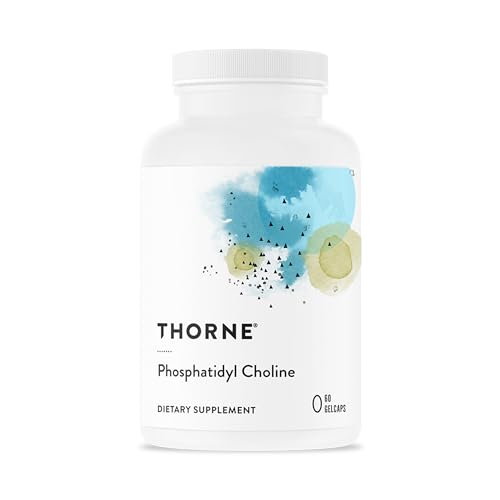
THORNE - Phosphatidyl Choline - Phospholipid Complex for Liver Support, Cholesterol Metabolism & Healthy Bile* - Third-Party Certified - Gluten & Dairy-Free - 60 Softgels
Natural Factors - Phosphatidyl ... 60 softgels · THORNE - Phosphatidylserine - <strong>Supports Healthy Brain Function, Memory & Focus - Helps Regulate Cortisol During Stress</strong>* - Third-Par
Evidence & Sources
Promising research with growing clinical support from multiple studies
- National Institute of Diabetes and Digestive and Kidney Diseases (NIDDK)
- American College of Gastroenterology
- Society of American Gastrointestinal and Endoscopic Surgeons (SAGES)
- World Journal of Gastroenterology
- The New England Journal of Medicine
- The Lancet
- National Center for Complementary and Integrative Health (NCCIH)
- World Health Organization (WHO)
This content is for informational purposes only and does not constitute medical advice. Always consult a qualified healthcare provider before starting, stopping, or changing any supplement or medication regimen.