

Irritable Bowel Syndrome
Also known as: IBS
Overview
Irritable Bowel Syndrome (IBS) is a common functional gastrointestinal disorder characterized by recurring abdominal pain associated with changes in bowel habits, including diarrhea, constipation, or a mix of both. Unlike inflammatory bowel diseases or structural digestive conditions, IBS does not typically cause visible damage to the intestines, yet it can have a substantial impact on quality of life, work productivity, sleep, and mental well-being. Symptoms often include cramping, bloating, gas, urgency, incomplete evacuation, and fluctuating stool consistency.
IBS is widely recognized as a disorder of gut-brain interaction, meaning symptoms are understood to arise from a complex interplay among intestinal motility, visceral hypersensitivity, the nervous system, stress response pathways, immune signaling, and the gut microbiome. Research suggests that some people develop IBS after a gastrointestinal infection, a course of antibiotics, major life stress, or other events that may alter gut function. Dietary triggers are also common, although they vary significantly from person to person.
Globally, IBS is considered one of the most prevalent digestive conditions, affecting an estimated significant minority of adults worldwide, with diagnosis often based on symptom patterns such as the Rome criteria. Several subtypes are recognized, including IBS with constipation (IBS-C), IBS with diarrhea (IBS-D), mixed IBS (IBS-M), and unsubtyped IBS. The condition is chronic for many individuals, often marked by periods of improvement and flare-ups.
Many people seek natural and integrative approaches for IBS because standard care often focuses on symptom management rather than a single cure. In this context, interest has grown around dietary strategies, mind-body approaches, probiotics, herbal medicine, acupuncture, and other traditional frameworks. While some of these approaches have supportive evidence, IBS is highly individualized, and persistent digestive symptoms warrant assessment by a qualified healthcare professional to rule out other causes such as celiac disease, inflammatory bowel disease, infection, or colorectal conditions.
Compare Treatment Options
Irritable bowel syndrome (IBS) is a common disorder of gut-brain interaction marked by recurrent abdominal pain linked with changes in bowel habits, including diarrhea, constipation, or a mixed pattern. Unlike inflammatory bowel disease, IBS does not cause the same kind of visible intestinal injury or chronic tissue inflammation on routine testing, but it can still significantly affect quality of life, work, sleep, eating, and stress levels. Symptoms often include bloating, urgency, incomplete evacuation, and sensitivity to certain foods or stressful situations. Treatment options vary because IBS is not one single disease process. Research suggests symptoms may arise from a combination of altered gut motility, visceral hypersensitivity, microbiome changes, post-infectious effects, stress physiology, and dietary triggers. That is why management may include Western approaches such as diet therapy, medications, or psychological therapies, alongside Eastern approaches such as acupuncture or traditional herbal medicine. In Gold Bamboo's broader content, IBS often overlaps with topics like low-FODMAP diet, SIBO, and pelvic or bladder sensitivity syndromes, so a personalized approach usually matters more than any one-size-fits-all framework.
View treatment comparison (7 options)Medical Perspectives
Two Ways of Seeing Health

Western
scientific · clinical
Western medicine applies science, technology, and clinical experience to treat symptoms through testing, diagnosis, and targeted intervention.

Eastern
traditional · alternative
Eastern medicine focuses on treating the body naturally by applying traditional knowledge practiced for thousands of years, emphasizing balance and whole-person wellness.
Gold Bamboo presents both perspectives side-by-side so you can make informed decisions. We don't advocate for one over the other — your health choices are yours.
Western Medicine Perspective
Western Medicine Perspective
In conventional medicine, IBS is understood as a multifactorial condition involving altered gastrointestinal motility, heightened pain sensitivity in the gut, dysregulation of the gut-brain axis, and possible contributions from the intestinal microbiome, low-grade immune activation, and psychosocial stress. It is classified as a functional bowel disorder, though the modern term disorder of gut-brain interaction increasingly reflects current understanding. Diagnosis is generally clinical and based on symptom history, while testing is used selectively to exclude other disorders when alarm features are present, such as unexplained weight loss, bleeding, anemia, fever, nocturnal symptoms, or a family history of colon cancer or inflammatory bowel disease.
Conventional management typically emphasizes symptom subtype, trigger identification, and quality-of-life improvement. Studies indicate that common approaches may include dietary modification such as low-FODMAP guidance, increased soluble fiber in some cases, psychological therapies like cognitive behavioral therapy or gut-directed hypnotherapy, and medications targeted to constipation, diarrhea, abdominal pain, or bloating. Research also suggests that regular physical activity, sleep support, and stress reduction can influence symptom burden, reflecting the central role of the gut-brain connection.
Natural and complementary therapies are also examined within western research frameworks. Evidence is strongest for some interventions more than others: peppermint oil, certain probiotic strains, soluble fiber such as psyllium, and gut-directed psychological therapies have been studied with varying degrees of benefit. However, results can be inconsistent because IBS populations are diverse, products differ in formulation, and placebo response rates are often high in IBS trials. For this reason, conventional medicine generally views IBS care as individualized and multidisciplinary, ideally involving evaluation by a healthcare provider when symptoms are ongoing or changing.
Eastern & Traditional Perspective
Eastern / Traditional Medicine Perspective
In Traditional Chinese Medicine (TCM), IBS-like symptoms are not usually defined as a single disease entity but are interpreted through patterns of imbalance involving the Spleen, Liver, and Stomach systems. Common traditional patterns may include Liver qi stagnation affecting digestion, Spleen qi deficiency, or a combination of deficiency and dampness. From this perspective, abdominal pain, bloating, irregular stools, and symptom flares during emotional stress reflect disruption in the smooth flow of qi and weakness in digestive transformation and transport. TCM approaches have traditionally included acupuncture, moxibustion, dietary therapy, and multi-herb formulas selected according to pattern differentiation.
In Ayurveda, IBS is often discussed in relation to disturbances of agni (digestive fire), imbalance in the doshas, and in some interpretations overlap with conditions such as grahani. Symptoms such as alternating bowel habits, gas, cramping, and incomplete digestion may be viewed as signs of impaired digestion and irregular intestinal function. Ayurvedic management has traditionally emphasized individualized assessment, food compatibility, routine, stress balance, and botanicals chosen according to constitution and symptom pattern.
Naturopathic and other traditional systems often frame IBS as a condition influenced by dietary sensitivity, stress physiology, microbiome imbalance, and digestive function. Commonly discussed supports include mind-body regulation, demulcent or carminative herbs, probiotics, and personalized nutrition strategies. The research base for these approaches is mixed: acupuncture and some herbal formulas have shown promising findings in certain studies and meta-analyses, but methodology varies and traditional treatments are often highly individualized, making broad conclusions difficult. As with conventional care, traditional systems generally regard persistent digestive symptoms as deserving professional evaluation, especially when symptoms are severe, new, or accompanied by warning signs.
Related Topics
Fibromyalgia
Fibromyalgia — condition topic in the Gold Bamboo health ontology.
Low-FODMAP diet
Low-FODMAP diet — diet topic in the Gold Bamboo health ontology.
How They Relate
Irritable Bowel Syndrome (IBS) & Fibromyalgia
Irritable bowel syndrome (IBS) and fibromyalgia frequently travel together. IBS is a functional gastrointestinal disorder marked by abdominal pain with altered bowel habits, while fibromyalgia is a...
Irritable bowel syndrome (IBS) & Low-FODMAP diet
Irritable bowel syndrome (IBS) is a chronic disorder of gut–brain interaction characterized by recurrent abdominal pain with altered bowel habits. Subtypes include IBS with diarrhea (IBS-D), consti...
Supplements & Products
Recommended Products

The Complete Low-FODMAP Diet: A Revolutionary Recipe Plan to Relieve Gut Pain and Alleviate IBS and Other Digestive Disorders: Gibson, Peter, Shepherd, Sue, Chey, William D.
In The Complete Low-FODMAP Diet, Sue Shepherd and Peter Gibson <strong>explain what causes digestive distress, how the low-FODMAP diet helps, and how to</strong>: • Identify and avoid foods high in FO

IBgard Gut Health Supplement, Peppermint Oil Capsules for Abdominal Comfort, 48 Capsules
DAILY GUT-HEALTH GARD (1): IBgard can be taken daily and is clinically shown to help manage a combination of occasional symptoms: cramping, bowel urgency, diarrhea, constipation, bloating, and gas (1)
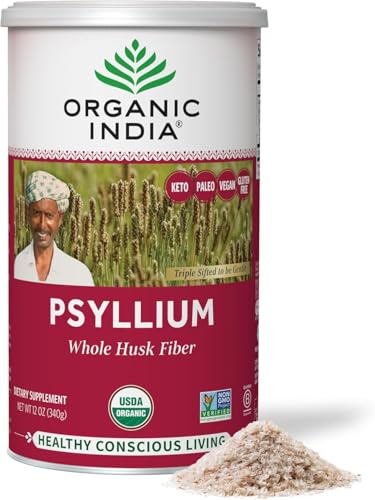
ORGANIC INDIA Psyllium Herbal Powder - Whole Husk Fiber, Vegan, Gluten-Free, USDA Certified Organic, Non-GMO, Soluble & Insoluble Fiber Source - 12 Oz Canister (Pack of 1) : Psyllium Nutritional Supplements
Amazon.com : ORGANIC INDIA Psyllium Herbal Powder - Whole Husk Fiber, Vegan, Gluten-Free, USDA Certified Organic, Non-GMO, Soluble & Insoluble Fiber Source - 12 Oz Canister (Pack of 1) : Psyllium
Evidence & Sources
Promising research with growing clinical support from multiple studies
- American College of Gastroenterology (ACG) Clinical Guideline on Management of Irritable Bowel Syndrome
- Gastroenterology
- The American Journal of Gastroenterology
- National Institute of Diabetes and Digestive and Kidney Diseases (NIDDK)
- National Center for Complementary and Integrative Health (NCCIH)
- World Gastroenterology Organisation (WGO) Global Guidelines
- The Lancet Gastroenterology & Hepatology
- Gut
This content is for informational purposes only and does not constitute medical advice. Always consult a qualified healthcare provider before starting, stopping, or changing any supplement or medication regimen.