

Irritable bowel syndrome (IBS) and Low-FODMAP diet
Irritable bowel syndrome (IBS) is a chronic disorder of gut–brain interaction characterized by recurrent abdominal pain with altered bowel habits. Subtypes include IBS with diarrhea (IBS-D), constipation (IBS-C), mixed (IBS-M), and unclassified. Key symptoms are abdominal pain, bloating/distension, gas, urgency, and stool form/frequency changes. FODMAPs—fermentable oligosaccharides, disaccharides, monosaccharides, and polyols—are short-chain carbohydrates that are poorly absorbed in the small intestine. They draw water into the gut (osmotic load), are rapidly fermented by colonic bacteria, and generate gas and short-chain fatty acids, leading to luminal distension that can trigger pain and bloating in people with visceral hypersensitivity typical of IBS. Major FODMAP groups include excess fructose (e.g., some fruits, honey), lactose (for those with lactase deficiency), fructans (wheat, onion, garlic), galacto-oligosaccharides (legumes), and polyols (sorbitol, mannitol in certain fruits and sweeteners). Clinical trials and meta-analyses show that a diet low in FODMAPs can improve global IBS symptoms, especially abdominal pain and bloating, with moderate-quality evidence. Randomized controlled trials demonstrate meaningful reductions in symptom scores compared with habitual or standard IBS dietary advice, and network meta-analyses suggest a relative risk of persistent global symptoms around 0.7 versus control diets. Bloating and abdominal pain tend to respond best; stool consistency improves more in IBS-D than IBS-C. Evidence quality varies, with many short-duration, small-sample studies; blinded food challenges and controlled feeding studies strengthen the case, while longer-term data and head-to-head comparisons remain limited. Clinically, the low-FODMAP diet is applied in three phases: a short elimination phase (typically 2–6 weeks), followed by structured reintroduction of FODMAP groups to identify personal triggers, and then long-term personalization to the “b'
Updated September 8, 2026This content is for informational purposes only and does not constitute medical advice. Always consult a qualified healthcare provider before starting, stopping, or changing any supplement or medication regimen.
Overlapping Treatments
Dietitian-guided education and monitoring
Moderate EvidenceImproves symptom response and safety through individualized food selection, reduces disordered eating risk, supports adequate nutrition
Enhances adherence to elimination, accurate reintroduction, and successful personalization
Access and insurance coverage may limit availability
Soluble fiber (e.g., psyllium)
Moderate EvidenceReduces global IBS symptoms and improves stool form, especially in IBS-C and IBS-M
Can maintain fiber intake during low-FODMAP implementation
Insoluble fiber may worsen symptoms in some; introduce gradually to minimize gas
Targeted probiotics (Bifidobacterium-containing)
Emerging ResearchMay ease bloating and pain in some patients
May mitigate low-FODMAP–associated reductions in Bifidobacteria
Strain-specific effects; responses vary; short trial advised to assess benefit
Peppermint oil (enteric-coated)
Moderate EvidenceAntispasmodic effect can reduce abdominal pain and urgency
Useful adjunct if pain persists despite dietary changes
May cause reflux or heartburn in some individuals
Gut-directed psychological therapies (CBT, hypnotherapy)
Moderate EvidenceImproves global symptoms and quality of life by modulating gut–brain pathways
Supports adherence and reduces food-related anxiety during reintroduction
Access and time commitment can be barriers
Antispasmodics (e.g., hyoscine)
Moderate EvidenceReduce cramping and abdominal pain
Adjunct for breakthrough symptoms during elimination or reintroduction
Potential anticholinergic side effects; individualize use
Rifaximin (for IBS-D)
Strong EvidenceImproves global symptoms and bloating in IBS-D
Option when diet alone is insufficient, especially in diarrhea-predominant cases
Prescription-only; benefits are typically temporary; not for IBS-C
Physical activity and mindfulness-based stress reduction
Emerging ResearchCan reduce constipation, pain perception, and stress-related flares
Supports overall resilience and reduces reliance on strict dietary restriction
Effects are modest and accumulate over time
Medical Perspectives
Two Ways of Seeing Health

Western
scientific · clinical
Western medicine applies science, technology, and clinical experience to treat symptoms through testing, diagnosis, and targeted intervention.
Surgeons · Pharmaceuticals · Clinical trials · Diagnostics 
Eastern
traditional · alternative
Eastern medicine focuses on treating the body naturally by applying traditional knowledge practiced for thousands of years, emphasizing balance and whole-person wellness.
Acupuncture · Herbal medicine · Yoga · Meditation
Gold Bamboo presents both perspectives side-by-side so you can make informed decisions. We don't advocate for one over the other — your health choices are yours.
Two Ways of Seeing Health
Western
scientific · clinical
Western medicine applies science, technology, and clinical experience to treat symptoms through testing, diagnosis, and targeted intervention.
Eastern
traditional · alternative
Eastern medicine focuses on treating the body naturally by applying traditional knowledge practiced for thousands of years, emphasizing balance and whole-person wellness.
Gold Bamboo presents both perspectives side-by-side so you can make informed decisions. We don't advocate for one over the other — your health choices are yours.
Western Perspective
Western medicine explains IBS as a disorder of gut–brain interaction with contributions from visceral hypersensitivity, motility disturbances, immune activation, and microbiome alterations. FODMAPs are short-chain carbohydrates that are poorly absorbed, create osmotic shifts, and are rapidly fermented, leading to gas and distension that provoke symptoms in sensitive individuals. The low-FODMAP diet is a structured therapeutic diet shown to reduce global IBS symptoms, particularly bloating and abdominal pain, when delivered in a three-phase protocol with professional guidance.
Key Insights
- FODMAP restriction reduces luminal water and gas, lowering distension that triggers pain in visceral hypersensitivity.
- Meta-analyses show moderate-quality evidence that low-FODMAP improves global IBS symptoms vs control diets; bloating and pain respond best.
- IBS-D and IBS-M often respond more than IBS-C; stool form improves more in diarrhea-predominant subtypes.
- Short-term low-FODMAP can reduce beneficial Bifidobacteria; reintroduction and/or probiotics may mitigate this.
- Guidelines recommend dietitian-led implementation, short elimination, and avoidance of long-term broad restriction.
Treatments
- Low-FODMAP diet (elimination → reintroduction → personalization)
- Adjunct soluble fiber (psyllium)
- Antispasmodics and peppermint oil for pain
- Gut-directed psychological therapies (CBT, hypnotherapy)
- Pharmacologic options tailored to subtype (e.g., rifaximin for IBS-D, secretagogues for IBS-C)
Deep Dive
Irritable bowel syndrome is understood in Western medicine as a disorder of gut–brain interaction marked by visceral hypersensitivity, altered m... Irritable bowel syndrome is understood in Western medicine as a disorder of gut–brain interaction marked by visceral hypersensitivity, altered motility, immune signaling, and microbiome differences. FODMAP carbohydrates—fructose in excess of glucose, lactose in lactase-deficient individuals, fructans, galacto-oligosaccharides, and polyols—are osmotic and fermentable. When malabsorbed, they draw water into the small intestine, proceeding rapidly to the colon where bacterial fermentation produces hydrogen, methane, carbon dioxide, and short-chain fatty acids. For people with IBS, this sequence can generate luminal distension that disproportionately triggers pain and bloating. Controlled feeding and randomized trials confirm that reducing dietary FODMAPs decreases symptom burden compared with habitual or standard IBS diets, with meta-analytic estimates showing a moderate improvement in global symptoms and particularly robust effects on bloating and abdominal pain. Stool consistency improvements are most apparent in diarrhea-predominant IBS, while constipation-predominant IBS often requires adjunct soluble fiber. In practice, clinicians apply a three-step protocol: a brief elimination (2–6 weeks) to reduce overall fermentable load; structured reintroduction, challenging one FODMAP group at a time to identify personal thresholds; and long-term personalization to the least restrictive, nutritionally adequate pattern. Professional dietetic guidance is emphasized in guidelines to maximize efficacy, ensure micronutrient and fiber adequacy, and prevent unnecessary long-term restriction. Short-term low-FODMAP diets can lower beneficial Bifidobacteria; timely reintroduction and/or targeted probiotics may address this. Selection factors for likely benefit include prominent bloating and pain, IBS-D or IBS-M subtypes, and high baseline intake of onions, wheat, legumes, certain fruits, and polyol-containing sweeteners. Those with lactose or fructose malabsorption on breath testing may obtain additional clarity during reintroduction, though testing is not required for success. Safety and integration are central. Prolonged strict elimination is discouraged due to nutritional and microbiome concerns. Monitoring is warranted for fiber, calcium (if dairy is limited), and overall diet diversity. If symptoms persist or red flags are present, further evaluation for celiac disease, inflammatory disorders, bile acid diarrhea, or other conditions is appropriate. Complementary approaches with supportive evidence include psyllium, peppermint oil, antispasmodics, and gut-directed psychological therapies. Pharmacologic options such as rifaximin for IBS-D or secretagogues for IBS-C can be layered when diet alone is insufficient, aligning management with patient goals and preferences.
Sources
- Lacy BE et al. ACG Clinical Guideline: Management of IBS. Am J Gastroenterol. 2021.
- Halmos EP et al. A diet low in FODMAPs reduces symptoms of IBS. Gastroenterology. 2014.
- Böhn L et al. Diet low in FODMAPs vs traditional IBS diet. Gastroenterology. 2015.
- Chey WD et al. AGA Clinical Practice Update on Diet in IBS. Gastroenterology. 2022.
- Black CJ, Staudacher HM, Ford AC. Low-FODMAP efficacy: systematic review/meta-analysis. Gut. 2022.
Eastern Perspective
Traditional systems frame IBS-like syndromes as disturbances in digestive energy and regulation. In Traditional Chinese Medicine (TCM), patterns such as Liver–Spleen disharmony, Spleen Qi deficiency, and Damp accumulation can manifest as abdominal pain, bloating, and irregular stools. Ayurveda describes Grahani, often linked to Vata (irregular movement and gas) with Pitta or Kapha contributions. While the low-FODMAP construct is modern, many high-FODMAP foods overlap with items traditionally limited for gas and ‘dampness,’ and carminative herbs are emphasized to improve digestive comfort.
Key Insights
- TCM dietary therapy often limits ‘damp-forming’ or ‘cold’ foods (e.g., excessive wheat, dairy, beans, certain fruits), paralleling many high-FODMAP items.
- Ayurveda recommends reducing Vata-aggravating foods (raw, gaseous, or very cold foods) and using warming carminatives (ginger, ajwain, asafoetida) to ease bloating and pain.
- Acupuncture and herbal formulas (e.g., Tong Xie Yao Fang; Xiao Yao San) are traditionally used for IBS-like symptoms with some emerging clinical support.
- Mind–body balance (breathwork, yoga, meditation) is viewed as central, aligning with gut–brain interaction models.
- Integration with low-FODMAP can personalize food choices while honoring individual constitution (prakriti/pattern).
Treatments
- TCM dietary therapy individualized to pattern
- Carminative herbs/spices (peppermint/Bo He, ginger, fennel, asafoetida)
- Acupuncture for pain and motility regulation
- Classical formulas (e.g., Tong Xie Yao Fang) under practitioner guidance
- Yoga, pranayama, and meditation for stress modulation
Deep Dive
Traditional medicine systems view IBS-like syndromes through functional and energetic patterns. In Traditional Chinese Medicine, abdominal pain,... Traditional medicine systems view IBS-like syndromes through functional and energetic patterns. In Traditional Chinese Medicine, abdominal pain, bloating, and variable stools are often attributed to Liver–Spleen disharmony: Liver Qi stagnation disrupts Spleen (digestive) function, leading to Damp accumulation and Qi stagnation in the middle burner. Foods considered ‘damp-forming’—including excess refined wheat, dairy, certain legumes, and very sweet or cold foods—are minimized, while easily digested, warm preparations are favored. Many of these recommendations overlap with limiting high-FODMAP items that are highly fermentable or osmotically active. Herbal strategies emphasize harmonizing the Liver and strengthening the Spleen with formulas such as Tong Xie Yao Fang or Xiao Yao San, and using carminative botanicals like peppermint (Bo He) and ginger to ease cramping and facilitate Qi movement. Acupuncture targets meridians regulating gastrointestinal motility and pain modulation and has shown symptom benefits in some clinical studies, though evidence quality varies. Ayurveda conceptualizes IBS under Grahani and attributes symptoms to deranged Agni (digestive fire), commonly with Vata aggravation producing gas, irregularity, and cramping, sometimes alongside Pitta (inflammation) or Kapha (heaviness). Dietary guidance emphasizes warm, cooked foods; regular mealtimes; and limiting raw, cold, or gas-forming foods (notably certain legumes, onions, and sweeteners) that resemble high-FODMAP triggers. Carminative spices such as ajwain, fennel, ginger, and asafoetida are traditionally used to reduce flatulence and abdominal discomfort. Mind–body practices—yoga, pranayama, and meditation—are integral, supporting autonomic balance and aligning with modern gut–brain interaction models. While the low-FODMAP framework is not native to these traditions, its phased personalization complements the individualized, constitution-based approach central to TCM and Ayurveda. Integrative care can respectfully blend a modern low-FODMAP plan with traditional pattern-based dietary adjustments and supportive therapies, guided by qualified practitioners and attentive to emerging clinical evidence.
Sources
- Zhang SS et al. Tong Xie Yao Fang for IBS: meta-analysis. Evid Based Complement Alternat Med. 2014.
- Manheimer E et al. Acupuncture for IBS: systematic review. Am J Gastroenterol. 2012.
- WHO monographs on selected medicinal plants: peppermint, ginger. 2002–2007.
- Srivastava A et al. Ayurveda and Grahani: review. Ayu. 2010.
- Chey WD et al. AGA CPU on Diet in IBS (integrative commentary). Gastroenterology. 2022.
Evidence Ratings
Low-FODMAP diet improves global IBS symptoms versus control/standard diets.
Black CJ, Staudacher HM, Ford AC. Gut. 2022; systematic review/meta-analysis.
Bloating and abdominal pain improve more consistently than stool frequency, with greater gains in IBS-D/IBS-M than IBS-C.
Lacy BE et al. ACG Guideline. Am J Gastroenterol. 2021; Eswaran SL et al. Gastroenterology. 2016.
Short-term low-FODMAP diets reduce fecal Bifidobacteria counts.
Staudacher HM et al. J Nutr. 2012; Halmos EP et al. Gastroenterology. 2015.
Dietitian-led implementation improves outcomes and nutritional adequacy compared with unguided self-restriction.
Chey WD et al. AGA Clinical Practice Update. Gastroenterology. 2022.
Fructans rather than gluten may provoke symptoms in some who report wheat/gluten sensitivity.
Skodje GI et al. Gastroenterology. 2018.
Soluble fiber (psyllium) reduces global IBS symptoms.
Ford AC et al. Am J Gastroenterol. 2014; systematic review/meta-analysis.
Enteric-coated peppermint oil provides modest pain relief in IBS.
Khanna R et al. J Clin Gastroenterol. 2014; meta-analysis.
Gut-directed psychological therapies (CBT, hypnotherapy) improve global IBS symptoms.
Ford AC et al. Gut. 2019; systematic review/meta-analysis.
Sources
- Lacy BE, et al. ACG Clinical Guideline: Management of Irritable Bowel Syndrome. Am J Gastroenterol. 2021.
- Halmos EP, et al. A diet low in FODMAPs reduces symptoms of irritable bowel syndrome: a randomized controlled trial. Gastroenterology. 2014;146(1):67–75.e5.
- Böhn L, et al. Diet low in FODMAPs compared with traditional IBS diet in IBS: randomized controlled trial. Gastroenterology. 2015;149(6):1399–1407.e2.
- Eswaran SL, et al. A randomized controlled trial comparing the low-FODMAP diet with modified NICE dietary advice in IBS-D. Gastroenterology. 2016.
- Black CJ, Staudacher HM, Ford AC. Efficacy of the low FODMAP diet for treating irritable bowel syndrome: systematic review and network meta-analysis. Gut. 2022.
- Staudacher HM, et al. Fermentable carbohydrate restriction reduces luminal Bifidobacteria in IBS: randomized trial. J Nutr. 2012;142:1518–1525.
- Chey WD, et al. AGA Clinical Practice Update on Diet in Irritable Bowel Syndrome. Gastroenterology. 2022.
- Skodje GI, et al. Fructan, rather than gluten, induces symptoms in non-celiac gluten sensitivity. Gastroenterology. 2018.
- Ford AC, et al. Effect of fibre, antispasmodics, and peppermint oil in IBS: systematic review and meta-analysis. Am J Gastroenterol. 2014.
- Ford AC, et al. Efficacy of psychotherapy for irritable bowel syndrome: systematic review and network meta-analysis. Gut. 2019.
- Khanna R, et al. Peppermint oil for the treatment of irritable bowel syndrome: a systematic review and meta-analysis. J Clin Gastroenterol. 2014.
- Manheimer E, et al. Acupuncture for irritable bowel syndrome: systematic review and meta-analysis. Am J Gastroenterol. 2012.
- Zhang SS, et al. Tong Xie Yao Fang for IBS: meta-analysis. Evid Based Complement Alternat Med. 2014.
- Pimentel M, et al. Rifaximin therapy for IBS without constipation. N Engl J Med. 2011.
Related Topics
Recommended Products

The Complete Low-FODMAP Diet: A Revolutionary Recipe Plan to Relieve Gut Pain and Alleviate IBS and Other Digestive Disorders: Gibson, Peter, Shepherd, Sue, Chey, William D.
In The Complete Low-FODMAP Diet, Sue Shepherd and Peter Gibson <strong>explain what causes digestive distress, how the low-FODMAP diet helps, and how to</strong>: • Identify and avoid foods high in FO
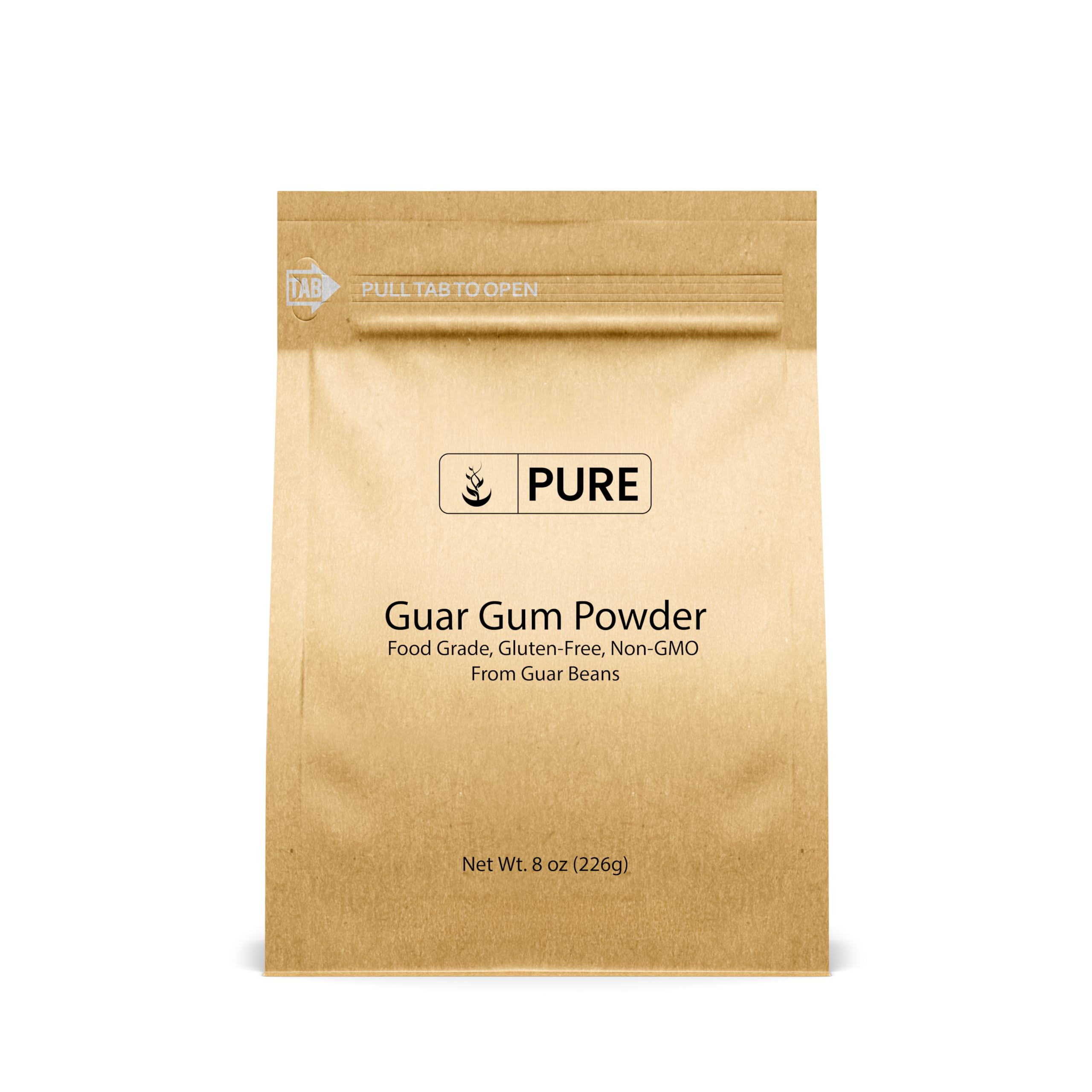
PERFECT PASS Prebiotic PHGG Partially Hydrolyzed Guar Gum 210g Powder - 100% Natural Gluten Free Non GMO - Certified Kosher Vegetarian Sugar Free
LABO Nutrition Bioactive Organic Fiber – Sunfiber PHGG Soluble Prebiotic Fiber for Digestive Regularity & Gut Health – Partially Hydrolyzed Guar Gum, Low FODMAP, Unflavored, Vegan, Non-GMO, 30 Sac
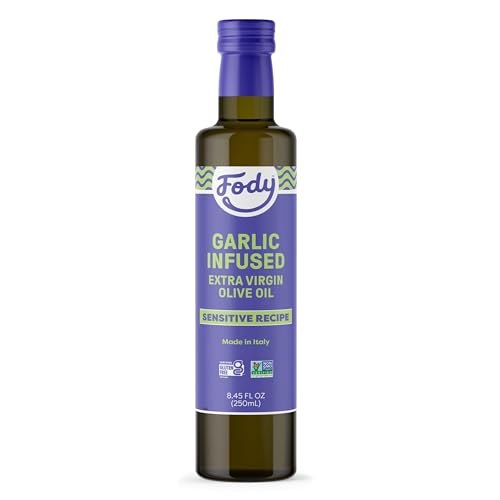
Fody Foods Garlic Infused Extra Virgin Olive Oil, 8.45 Oz, Low FODMAP Certified, Gut & IBS Friendly, Cold-Pressed, Vegan, Non-GMO, Gluten Free, Made in Italy
Fody Food Company live Oil Extra Virgin Garlic Infused, <strong>Certified Gut Friendly</strong>, All Natural, Gluten Free, Non GMO, Low FODMAP, 250 ML (Pack of 6) ... Flavor Without Discomfort: Crafte
Health Disclaimer
This content is for informational purposes only and does not constitute medical advice. Always consult a qualified healthcare provider before starting, stopping, or changing any supplement or medication regimen.