

Gastroesophageal Reflux Disease
Also known as: GERD, Acid Reflux
Overview
Gastroesophageal reflux disease (GERD) is a chronic digestive condition in which stomach contents repeatedly flow backward into the esophagus, the tube connecting the mouth and stomach. This reflux can expose the esophageal lining to stomach acid, digestive enzymes such as pepsin, and sometimes bile, leading to symptoms like heartburn, regurgitation, chest discomfort, chronic cough, throat irritation, and disturbed sleep. Occasional reflux is common, but GERD is generally distinguished by the frequency, persistence, and clinical impact of reflux symptoms or by evidence of reflux-related injury.
GERD is highly prevalent worldwide and is one of the most commonly encountered gastrointestinal disorders in primary care and gastroenterology. Research suggests prevalence varies by region, but it affects a substantial proportion of adults, with rates appearing especially high in North America and parts of Europe. Risk appears to be influenced by multiple factors, including obesity, hiatal hernia, pregnancy, dietary patterns, tobacco exposure, alcohol use, certain medications, and delayed gastric emptying. Symptoms can fluctuate over time and may worsen after meals, when lying down, or during periods of abdominal pressure.
From a clinical standpoint, GERD matters not only because of discomfort and quality-of-life burden, but also because persistent reflux can contribute to complications in some individuals. These may include erosive esophagitis, esophageal stricture, Barrett's esophagus, dental enamel erosion, and extra-esophageal manifestations such as chronic laryngitis-like symptoms or asthma worsening in select cases. Not everyone with GERD has visible esophageal injury, and not everyone with esophageal irritation experiences classic heartburn, which makes the condition heterogeneous and sometimes difficult to assess.
GERD is best understood as a multifactorial disorder involving the barrier between the stomach and esophagus, esophageal motility, gastric contents, and symptom perception. Contemporary discussion often distinguishes between erosive reflux disease, non-erosive reflux disease (NERD), reflux hypersensitivity, and functional heartburn. This broader view reflects growing recognition that reflux symptoms may arise from a combination of acid exposure, weakly acidic reflux, mucosal sensitivity, motility issues, and interactions between the gut and nervous system. Because chest pain, swallowing difficulty, unexplained weight loss, gastrointestinal bleeding, or persistent symptoms can overlap with more serious conditions, evaluation by a qualified healthcare professional is important when symptoms are significant or ongoing.
Compare Treatment Options
Acid reflux refers to the backward flow of stomach contents into the esophagus, often causing heartburn, regurgitation, sour taste, throat irritation, chest discomfort, or symptoms after meals or when lying down. When reflux becomes frequent or leads to complications such as inflammation of the esophagus, it may overlap with or meet criteria for gastroesophageal reflux disease (GERD). Treatment options vary because reflux is not driven by a single cause: contributors can include lower esophageal sphincter dysfunction, hiatal hernia, meal timing, body weight, dietary triggers, delayed gastric emptying, and individual sensitivity of the esophagus. In practice, acid reflux is often managed with a mix of symptom-relief strategies, acid-suppressing medications, lifestyle changes, and in select cases procedural care. Eastern medicine frameworks may instead describe patterns involving digestive imbalance, upward rebellion of stomach qi, food stagnation, or stress-related disharmony, and often use approaches such as acupuncture or herbal formulas to reduce symptom burden. Research support differs substantially across options: PPIs and H2 blockers are among the best-studied conventional therapies, while acupuncture and certain herbal approaches have some encouraging but more variable evidence. The most appropriate path often depends on symptom frequency, impact on sleep and meals, duration, urgency, and a person’s tolerance for medication risks or slower-acting supportive approaches.
View treatment comparison (7 options)Medical Perspectives
Two Ways of Seeing Health

Western
scientific · clinical
Western medicine applies science, technology, and clinical experience to treat symptoms through testing, diagnosis, and targeted intervention.

Eastern
traditional · alternative
Eastern medicine focuses on treating the body naturally by applying traditional knowledge practiced for thousands of years, emphasizing balance and whole-person wellness.
Gold Bamboo presents both perspectives side-by-side so you can make informed decisions. We don't advocate for one over the other — your health choices are yours.
Western Medicine Perspective
Western / Conventional Medicine Perspective
In conventional medicine, GERD is typically understood as a disorder of impaired anti-reflux defenses. The lower esophageal sphincter (LES), the muscular valve at the junction of the esophagus and stomach, normally helps prevent backflow. Studies indicate that GERD often involves transient LES relaxations, reduced LES pressure, hiatal hernia, impaired esophageal clearance, delayed gastric emptying in some patients, and increased intra-abdominal pressure. Acid is a major factor, but refluxate may also contain pepsin and bile, and symptom generation can be influenced by visceral hypersensitivity and central pain processing.
Evaluation often begins with clinical history, especially when classic symptoms such as heartburn and regurgitation are present. Conventional assessment may also consider so-called alarm features, including difficulty swallowing, painful swallowing, gastrointestinal bleeding, anemia, recurrent vomiting, or unintended weight loss, because these may warrant more urgent investigation. Diagnostic tools used in selected cases include upper endoscopy, ambulatory pH or pH-impedance monitoring, and esophageal manometry, particularly when symptoms are atypical, refractory, or being considered for procedural management. GERD is also differentiated from related conditions such as eosinophilic esophagitis, peptic ulcer disease, cardiac chest pain, motility disorders, and functional heartburn.
Conventional management commonly focuses on lifestyle measures, acid suppression, and in some cases procedural intervention. Research supports proton pump inhibitors (PPIs) as among the most effective pharmacologic therapies for acid-mediated reflux symptoms and healing erosive esophagitis, although response varies and long-term use is periodically reassessed in routine practice. H2 receptor antagonists, alginate-based formulations, and selected surgical or endoscopic approaches may be considered in appropriate settings. Current guidelines emphasize individualized care, symptom response, confirmation of diagnosis when needed, and ongoing clinician oversight, particularly for chronic symptoms, extra-esophageal complaints, or concern for complications such as Barrett's esophagus.
Eastern & Traditional Perspective
Eastern / Traditional Medicine Perspective
In Traditional Chinese Medicine (TCM), GERD-like symptoms are not defined solely by acid exposure but are often interpreted through patterns such as rebellious Stomach qi, Liver qi stagnation invading the Stomach, Spleen qi deficiency, phlegm-damp accumulation, or heat in the Stomach. Heartburn, sour regurgitation, belching, nausea, throat discomfort, and epigastric fullness may be grouped under broader traditional symptom patterns rather than a single disease category. TCM assessment traditionally emphasizes the overall pattern of imbalance, including digestion, emotional stress, appetite, bowel habits, tongue appearance, and pulse characteristics.
TCM approaches have traditionally included acupuncture, moxibustion, and multi-herb formulas selected according to pattern differentiation. Some modern studies suggest acupuncture may help improve reflux-related symptoms and quality-of-life measures in certain patients, particularly when symptoms persist despite standard therapy, but the quality of evidence remains variable and protocols differ substantially across trials. Herbal medicine is also widely used in East Asian practice, though formulation diversity, quality-control issues, and differences in study design make broad conclusions difficult. Safety considerations are important, especially because herbal products may interact with medications or vary in composition.
In Ayurveda, GERD-like symptoms are often discussed in relation to disturbances of agni (digestive fire) and imbalance in pitta, sometimes with involvement of vata affecting upward movement and belching. Traditional descriptions may overlap with conditions characterized by sour belching, burning sensation, indigestion, and nausea. Ayurvedic interpretation generally places substantial emphasis on digestion, meal timing, constitution, and the relationship between emotional and physical states. As with other traditional systems, these frameworks are holistic and individualized rather than directly equivalent to modern gastroenterology diagnoses.
Naturopathic and integrative frameworks often view GERD through a combination of digestive function, dietary triggers, stress physiology, microbiome considerations, and mucosal integrity. Some complementary modalities are used with the goal of symptom support, but the evidence base is mixed and often less robust than for conventional acid-suppressive therapy. Across traditional and integrative systems, a balanced approach generally includes recognition that persistent reflux symptoms can occasionally reflect structural disease or lead to complications, so coordination with licensed healthcare professionals is important when symptoms are recurrent, severe, or changing.
Related Topics
Asthma
Asthma — condition topic in the Gold Bamboo health ontology.
How They Relate
GERD & Asthma
GERD (gastroesophageal reflux disease) and asthma frequently coexist and can influence each other’s severity and management. Symptom-based studies suggest reflux complaints are very common in peopl...
Supplements & Products
Recommended Products
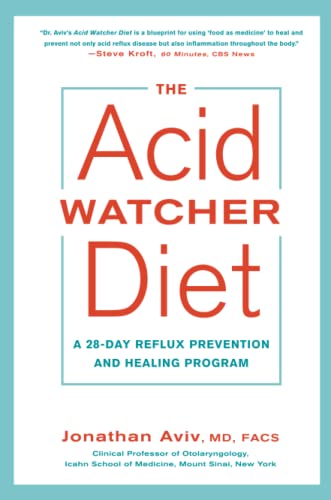
The Acid Watcher Diet: A 28-Day Reflux Prevention and Healing Program: Aviv MD FACS, Jonathan
Jonathan Aviv, <strong>a leading authority on the diagnosis and treatment of acid reflux disease</strong>, helps readers identify those often misunderstood symptoms while providing a proven solution f

Gaviscon Gaviscon Extra Strength Liquid Fruit | Long-Lasting Acid Reflux and Heartburn Relief | 340ml 1 Count
Medicinal Ingredients: <strong>375 mg Sodium Alginate (Derived from Brown Seaweed),</strong> 150 mg Calcium Carbonate, 150 mg Aluminum Hydroxide/ Teaspoon (5 ml).

MedCline Reflux Relief System, Bed Wedge Pillow for Acid Reflux and GERD Relief, Therapeutic Body Pillow with Insert and Covers, Inclined Sleep Position with Arm Pocket, Large for 6'0" or Taller
<strong>It includes an acid reflux and GERD pillow, body pillow, small inserts, and removable, washable covers</strong>. Size large system fits individuals 6’0” or taller in height. Wedge dimensions a
Evidence & Sources
Promising research with growing clinical support from multiple studies
- American College of Gastroenterology (ACG) Clinical Guideline for Gastroesophageal Reflux Disease
- American Gastroenterological Association (AGA) Clinical Practice Updates
- The New England Journal of Medicine
- Gastroenterology
- Gut
- World Gastroenterology Organisation Global Guidelines
- National Institute of Diabetes and Digestive and Kidney Diseases (NIDDK)
- National Center for Complementary and Integrative Health (NCCIH)
This content is for informational purposes only and does not constitute medical advice. Always consult a qualified healthcare provider before starting, stopping, or changing any supplement or medication regimen.