

Diverticulitis
Also known as: Diverticular Disease, Inflamed Diverticula
Overview
Diverticulitis is a condition involving inflammation or infection of diverticula, which are small pouch-like outpocketings that can form in the wall of the colon, most often in the sigmoid colon. Diverticula themselves are common, especially with aging, and the presence of these pouches is called diverticulosis. Many people with diverticulosis have no symptoms at all, but when one or more pouches become inflamed, the condition is termed diverticulitis. Typical features can include abdominal pain, often on the lower left side, fever, changes in bowel habits, nausea, and tenderness. In some cases, diverticulitis may lead to complications such as abscess, perforation, fistula, bleeding, or bowel obstruction.
From a public health perspective, diverticular disease is common in industrialized countries and becomes more prevalent with age. Researchers have linked risk patterns to a combination of factors including low dietary fiber intake, altered gut motility, changes in the microbiome, obesity, smoking, physical inactivity, and certain medications such as NSAIDs or corticosteroids. However, the condition is more complex than older theories suggested. Current research indicates that diverticulitis is not explained by diet alone, and many factors likely interact, including immune signaling, intestinal barrier function, and the composition of gut bacteria.
Interest in integrative approaches is especially strong because people often want to understand how nutrition, digestive resilience, microbiome support, and lifestyle patterns may relate to flare frequency and recovery. Conventional medicine focuses on confirming diagnosis, identifying complications, and determining whether management is supportive, antibiotic-based, or procedural. Integrative and traditional systems often broaden the discussion to include digestive strength, bowel regularity, inflammation patterns, stress, and individualized food tolerance. Across all models, an important theme is that symptom severity and recurrence risk vary widely from person to person.
Because abdominal pain and bowel symptoms can overlap with other serious conditions, diverticulitis is generally considered a topic that warrants professional medical evaluation, especially during acute episodes. Integrative nutrition and gut support are often discussed in the context of prevention, recovery, and overall digestive health, but they are typically framed as complementary to appropriate medical assessment rather than as substitutes for urgent care when warning signs are present.
Compare Treatment Options
Diverticulitis refers to inflammation, and sometimes infection, of diverticula—small pouch-like outpocketings that can form in the wall of the colon, especially in the sigmoid colon. Many people have diverticulosis (the presence of diverticula) without symptoms, but diverticulitis develops when one or more of these pouches becomes inflamed. Symptoms often include lower abdominal pain, fever, changes in bowel habits, nausea, and tenderness. In more severe cases, complications such as abscess, perforation, fistula, or bowel obstruction can occur, which is why treatment decisions vary widely depending on severity and whether the episode is uncomplicated or complicated. In Western medicine, management often depends on the clinical picture: some mild uncomplicated cases are observed with supportive care, while others may involve antibiotics, imaging, drainage of an abscess, or surgery for recurrent or complicated disease. Integrative and Eastern approaches tend to focus more on recovery support, bowel regulation, diet patterning, and symptom relief between episodes rather than replacing urgent care when infection or complications are suspected. As with related digestive conditions discussed in Gold Bamboo's broader digestive and inflammatory bowel content, the key distinction is that diverticulitis can sometimes require time-sensitive medical evaluation, while longer-term prevention and recovery may allow a broader discussion of dietary, behavioral, and traditional supportive therapies.
View treatment comparison (6 options)Medical Perspectives
Two Ways of Seeing Health

Western
scientific · clinical
Western medicine applies science, technology, and clinical experience to treat symptoms through testing, diagnosis, and targeted intervention.

Eastern
traditional · alternative
Eastern medicine focuses on treating the body naturally by applying traditional knowledge practiced for thousands of years, emphasizing balance and whole-person wellness.
Gold Bamboo presents both perspectives side-by-side so you can make informed decisions. We don't advocate for one over the other — your health choices are yours.
Western Medicine Perspective
Western / Conventional Medicine Perspective
In conventional medicine, diverticulitis is understood as an acute inflammatory process affecting diverticula, with severity ranging from mild localized inflammation to complicated disease involving abscess, perforation, fistula, or obstruction. Diagnosis often relies on clinical history, physical examination, laboratory markers of inflammation, and imaging—particularly CT scanning, which helps distinguish uncomplicated from complicated cases. This distinction is important because management strategies have evolved: not all patients with uncomplicated diverticulitis are treated the same way, and some may be managed conservatively while others require antibiotics, drainage, hospitalization, or surgery depending on the clinical picture.
Research over the past decade has reshaped several older assumptions. Studies indicate that routine antibiotics may not be necessary in every mild, uncomplicated case in otherwise stable individuals, though antibiotics remain important in selected patients and in complicated disease. Colonoscopy is often considered after recovery in certain circumstances to evaluate the colon and exclude other pathology, but timing and necessity depend on prior screening history and episode characteristics. Recurrent diverticulitis is also approached more selectively than in the past; surgery is no longer based solely on the number of episodes, but rather on overall burden, complications, quality-of-life impact, and patient-specific risk factors.
From a prevention and recovery perspective, conventional literature increasingly examines dietary pattern, fiber intake, weight management, exercise, smoking cessation, and medication review. Older advice to avoid nuts, seeds, and popcorn has largely been challenged by observational evidence, which has not supported those foods as major triggers in most people. At the same time, researchers continue to investigate the role of the gut microbiome, low-grade inflammation, visceral hypersensitivity, and post-diverticulitis irritable bowel-type symptoms. Evidence for probiotics, specialized supplements, or restrictive diets remains mixed, and major guidelines typically describe these areas as still developing rather than definitively established.
Eastern & Traditional Perspective
Eastern / Traditional Medicine Perspective
In Traditional Chinese Medicine (TCM), diverticulitis is not categorized as a single disease entity in the modern biomedical sense, but symptoms may be interpreted through patterns involving Qi stagnation, damp-heat accumulation, heat toxin, blood stasis, or weakness of the Spleen and Stomach systems. Acute presentations with pain, fever, constipation, or pronounced abdominal tenderness may be viewed as excess patterns involving heat and stagnation, while recurrent digestive vulnerability may be associated with underlying deficiency in digestive transformation and transport. Traditional care frameworks often emphasize restoring balance in digestion, supporting normal bowel movement patterns, and reducing internal accumulation that is thought to contribute to pain and inflammation.
In Ayurveda, symptoms resembling diverticulitis may be discussed through disturbances in agni (digestive fire), ama (metabolic waste or toxic residue), and doshic imbalance—often involving Vata in the colon, with possible contributions from Pitta when inflammation is prominent. An Ayurvedic interpretation may place importance on irregular digestion, dryness, impaired elimination, and inflammatory heat. Traditional approaches often focus on individualized digestive support, meal regularity, bowel habit balance, and reducing foods or routines believed to aggravate intestinal stress. The emphasis is generally on constitution, digestion, and recurrence prevention rather than only the acute episode.
In naturopathic and broader integrative traditions, diverticulitis is often discussed in relation to mucosal integrity, microbiome balance, stool consistency, food tolerance, and systemic inflammatory load. Botanicals, demulcents, fermented foods, mindful eating practices, and stress-regulation strategies are commonly mentioned in traditional or integrative contexts, but the quality of evidence varies substantially. Importantly, acute diverticulitis with severe pain, fever, or signs of complication is generally regarded—even within traditional systems—as requiring conventional medical assessment. Eastern and traditional perspectives may offer useful frameworks for long-term digestive support, but they are best understood as complementary models rather than replacements for emergency evaluation when symptoms are severe.
Supplements & Products
Recommended Products

Fiber Fueled: The Plant-Based Gut Health Program for Losing Weight, Restoring Your Health, andOptimizing Your Microbiome: Bulsiewicz MD, Will
With <strong>over 70 plant-fueled recipes, detailed shopping lists, and key lifestyle changes that will help you heal your gut without even lifting a fork</strong>, Fiber Fueled will allow you to thri

NOW Foods Supplements, Psyllium Husk Powder, Non-GMO Project Verified, Soluble Fiber, 24-Ounce
Soluble fiber from foods such as psyllium seed husks, as part of a diet low in saturated fat and cholesterol, may reduce the risk of heart disease. A serving of psyllium husk powder supplies 6 grams o
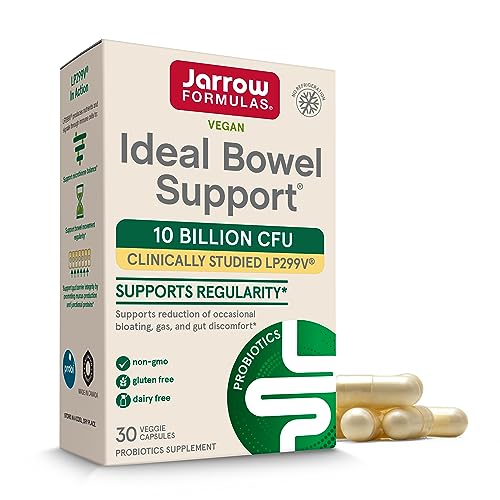
Jarrow Formulas Ideal Bowel Support - 10 Billion CFU Per Serving - Bowel Support - Reduces Bloating, Gas & Intestinal Discomfort - Up to 30 Servings (Veggie Caps)
Jarrow Formulas Ideal Bowel Support ... L. plantarum 299v, that <strong>resists stomach acid and bile salts and demonstrates specific adherence properties for colonization of human intestinal mucosa</
Evidence & Sources
Promising research with growing clinical support from multiple studies
- American Gastroenterological Association (AGA) Clinical Practice Update
- American Society of Colon and Rectal Surgeons (ASCRS) Clinical Practice Guidelines
- National Institute of Diabetes and Digestive and Kidney Diseases (NIDDK)
- National Center for Complementary and Integrative Health (NCCIH)
- World Journal of Gastroenterology
- Annals of Internal Medicine
- JAMA
- New England Journal of Medicine
This content is for informational purposes only and does not constitute medical advice. Always consult a qualified healthcare provider before starting, stopping, or changing any supplement or medication regimen.