

Allergies
Overview
Allergies are immune system reactions to substances that are typically harmless to most people, such as pollen, dust mites, animal dander, certain foods, insect venom, or medications. In an allergic response, the immune system identifies an allergen as a threat and triggers inflammatory chemicals—most notably histamine—that can affect the skin, airways, gastrointestinal tract, or cardiovascular system. Common allergy-related conditions include allergic rhinitis (hay fever), allergic asthma, eczema/atopic dermatitis, food allergy, drug allergy, and insect-sting allergy.
Allergies are highly prevalent worldwide and have become a major public health concern in both children and adults. Rates of allergic rhinitis, asthma, and food allergy have increased in many regions over recent decades, likely due to a combination of genetic predisposition, environmental exposures, changes in microbial diversity, air pollution, climate-related pollen shifts, and lifestyle factors. The "atopic march" is a well-known pattern in which some individuals develop eczema in early life followed by food allergies, asthma, and allergic rhinitis over time.
Symptoms vary widely depending on the trigger and organ system involved. They may include sneezing, nasal congestion, itchy eyes, wheezing, cough, hives, swelling, digestive symptoms, or anaphylaxis, a severe systemic reaction that can become life-threatening. Not all adverse reactions are allergies in the strict immunologic sense; for example, some food intolerances and medication side effects can mimic allergy symptoms without involving the same immune pathways.
From a broad health perspective, allergies are significant because they can affect sleep, concentration, school and work performance, quality of life, skin integrity, nutrition, and respiratory health. They also intersect with other chronic inflammatory conditions. Because symptoms can overlap with infections, irritant reactions, autoimmune conditions, or intolerances, proper evaluation by a qualified healthcare professional is often important for accurate diagnosis and safe management.
Medical Perspectives
Two Ways of Seeing Health

Western
scientific · clinical
Western medicine applies science, technology, and clinical experience to treat symptoms through testing, diagnosis, and targeted intervention.

Eastern
traditional · alternative
Eastern medicine focuses on treating the body naturally by applying traditional knowledge practiced for thousands of years, emphasizing balance and whole-person wellness.
Gold Bamboo presents both perspectives side-by-side so you can make informed decisions. We don't advocate for one over the other — your health choices are yours.
Western Medicine Perspective
Western Medicine Perspective
In conventional medicine, allergies are understood primarily as hypersensitivity reactions involving the immune system. Many common allergies are IgE-mediated, meaning exposure to an allergen leads the body to produce immunoglobulin E antibodies that bind to mast cells and basophils. On re-exposure, these cells release histamine and other mediators, causing immediate symptoms such as itching, swelling, mucus production, bronchospasm, or hives. Other allergic disorders involve more complex immune mechanisms, including delayed or mixed inflammatory responses, as seen in some forms of eczema or contact dermatitis.
Western evaluation typically focuses on identifying the trigger, confirming the immune mechanism when possible, and assessing severity. This may involve a detailed clinical history, physical examination, skin-prick testing, serum-specific IgE testing, patch testing, lung function testing in respiratory allergy, or supervised oral food challenges in specialized settings. Conventional management approaches commonly include allergen avoidance strategies, environmental control measures, antihistamines, intranasal corticosteroids, inhaled therapies for allergic asthma, topical treatments for skin manifestations, and epinephrine for anaphylaxis preparedness when appropriate. For selected patients, allergen immunotherapy—such as allergy shots or sublingual immunotherapy—has been studied as a way to modify immune response over time, particularly in allergic rhinitis and some venom allergies.
Research in allergy medicine also examines the role of the epithelial barrier, microbiome, early-life exposures, air quality, and immune tolerance. Studies suggest that allergy is not only an overreaction to specific triggers but also a disorder of immune regulation and barrier dysfunction. In this model, prevention and treatment are increasingly viewed through the lens of restoring tolerance, reducing inflammation, and identifying individuals at risk for severe reactions. Because symptoms can range from mild seasonal irritation to medical emergencies, conventional care emphasizes individualized assessment and consultation with licensed healthcare providers.
Eastern & Traditional Perspective
Eastern / Traditional Medicine Perspective
In Traditional Chinese Medicine (TCM), allergy-like conditions are not classified solely by allergen or antibody type. Instead, patterns are interpreted through functional imbalances involving systems such as the Lung, Spleen, and Kidney, along with the influence of external factors like Wind, Dampness, Heat, or Cold. Seasonal allergies, for example, may be described as a failure of defensive qi to adequately protect the body's surface, while chronic congestion, fatigue, and digestive weakness may be viewed as underlying constitutional patterns that make recurrent symptoms more likely. TCM approaches have traditionally included acupuncture, individualized herbal formulas, dietary pattern assessment, and lifestyle regulation, with the goal of improving resilience and reducing symptom recurrence over time.
In Ayurveda, allergies are often understood through the lens of dosha imbalance, impaired digestion and metabolism (agni), and the accumulation of ama (metabolic byproducts or toxic residue in traditional terminology). Respiratory allergies may be associated with Kapha imbalance, skin reactivity with Pitta involvement, and variable or stress-sensitive symptoms with Vata disruption. Ayurvedic care has traditionally used herbal preparations, breathing practices, dietary tailoring, seasonal routines, and detoxification concepts according to the individual's constitution and symptom pattern.
Naturopathic and other traditional or integrative frameworks often emphasize the importance of barrier health, digestion, environmental burden, stress regulation, sleep, and inflammatory balance. Some practitioners incorporate botanical medicine, acupuncture, hydrotherapy, breathing practices, or elimination-style assessments within a broader whole-person model. While many patients report symptomatic benefit from these approaches, the quality of evidence varies widely depending on the therapy and condition being studied. For that reason, traditional systems are best understood as offering a pattern-based, individualized interpretation that may complement conventional allergy evaluation, particularly when used in coordination with qualified healthcare professionals.
Related Topics
Asthma
Asthma — condition topic in the Gold Bamboo health ontology.
How They Relate
Asthma & Allergies
Asthma and allergies frequently travel together and share underlying biology. Allergic (atopic) asthma is the most common asthma phenotype, driven by type 2 inflammation involving IgE, eosinophils,...
Supplements & Products
Recommended Products
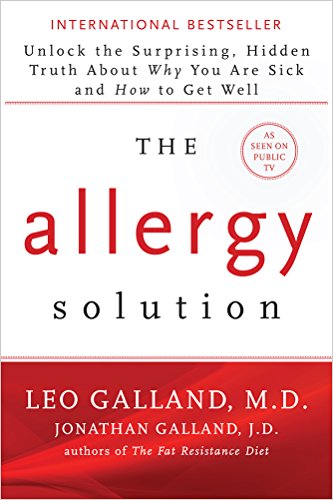
The Allergy Solution: Unlock the Surprising, Hidden Truth About Why You Are Sick and How to Get Well: Galland, Leo, M.D., Galland, Jonathan
In this groundbreaking book, award-winning doctor Leo Galland, M.D., <strong>reveals the shocking rise of hidden allergies that lead to weight gain, fatigue, brain fog, depression, joint pain, headach

NOW Foods Supplements, Quercetin with Bromelain, Balanced Immune System*, 120 Veg Capsules
Buy NOW Foods Supplements, Quercetin with Bromelain, Balanced Immune System*, 120 Veg Capsules on Amazon.com ✓ FREE SHIPPING on qualified orders
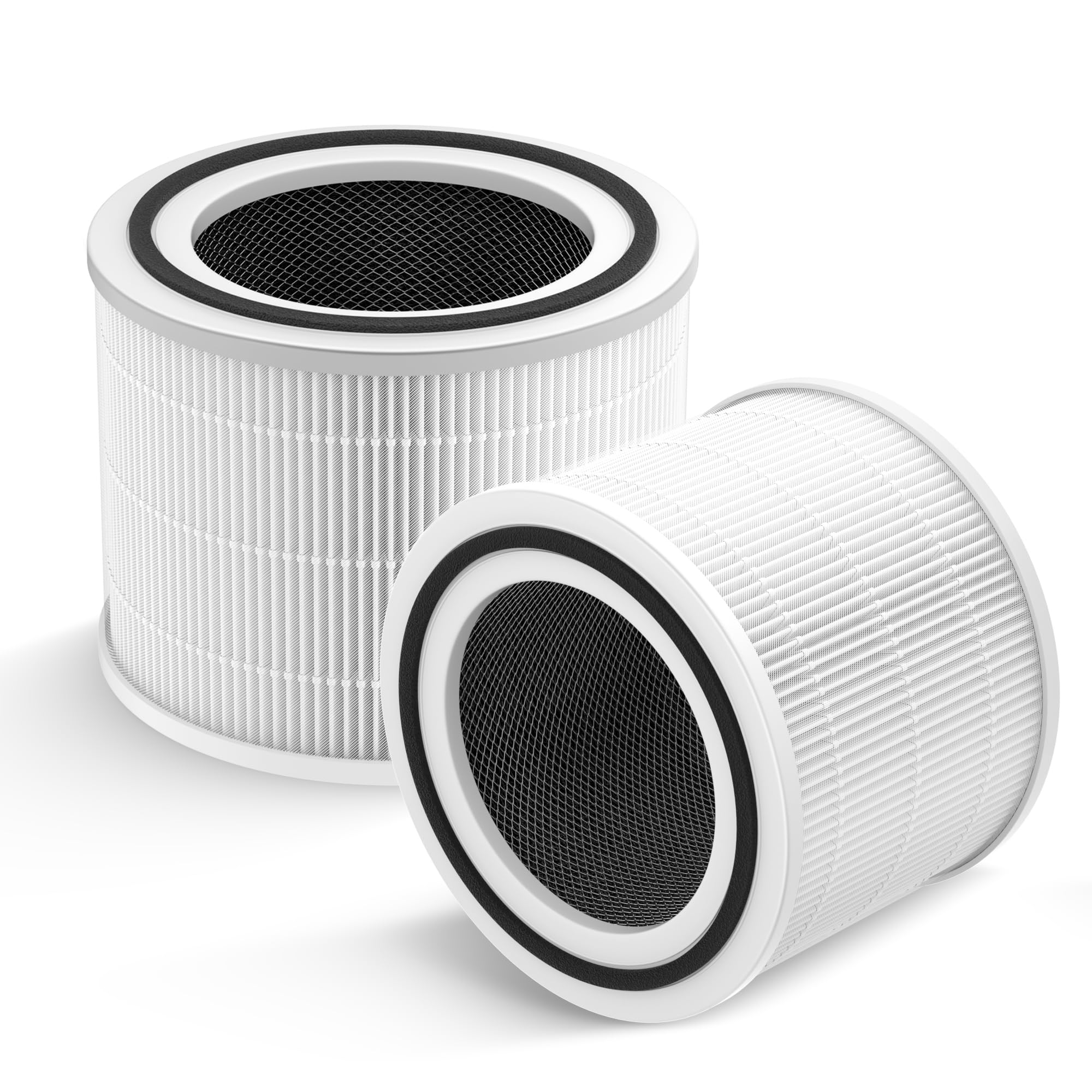
LEVOIT Core 300 Purifier with Replacement Filter - HEPA Air Cleaner Eliminates Allergens for Bedroom, Pets, Smokers In 1095 Sq.Ft Coverage. 24db Quiet Operation and Auto Mode.
1 of LEVOIT Genuine Core 300-P Replacement Filter, Core 300-RF Air Purifier Core300S Filters, <strong>Supports HEPA Sleep Mode, High-Efficiency Activated Carbon for Removal of Smoke, Odor, Allergens,
Evidence & Sources
Promising research with growing clinical support from multiple studies
- World Allergy Organization
- American Academy of Allergy, Asthma & Immunology (AAAAI)
- European Academy of Allergy and Clinical Immunology (EAACI)
- National Institute of Allergy and Infectious Diseases (NIAID)
- National Center for Complementary and Integrative Health (NCCIH)
- The Journal of Allergy and Clinical Immunology
- Allergy
- The Lancet
- New England Journal of Medicine
- World Health Organization (WHO)
This content is for informational purposes only and does not constitute medical advice. Always consult a qualified healthcare provider before starting, stopping, or changing any supplement or medication regimen.