

Vitamin B12 Injections
Also known as: B12 Shots, Cobalamin Injections, Methylcobalamin Injection
Vitamin B12 Injections
Vitamin B12 injections are a form of cobalamin replacement delivered by intramuscular or subcutaneous injection, allowing the nutrient to enter the body without relying on normal digestive absorption. Vitamin B12 is essential for red blood cell formation, DNA synthesis, nerve function, and methylation-related biochemical processes. In conventional practice, injectable B12 is most often associated with treatment of documented deficiency, especially when deficiency is linked to impaired absorption rather than inadequate intake alone.
B12 deficiency can develop for several reasons, including pernicious anemia, autoimmune gastritis, gastric or intestinal surgery, inflammatory bowel disease, long-term use of certain medications, malabsorption syndromes, and restrictive dietary patterns. Symptoms may include fatigue, weakness, glossitis, numbness or tingling, balance problems, memory changes, mood symptoms, and anemia, although some people with low levels have few obvious symptoms. Because neurologic complications can become serious if deficiency is prolonged, timely identification and appropriate repletion are considered important in standard medical care.
Interest in B12 injections also extends beyond clearly diagnosed deficiency. They are commonly discussed in the context of fatigue, athletic recovery, “energy” support, neuropathy support, and wellness protocols. In these settings, the evidence is more mixed. Research strongly supports B12 replacement when a true deficiency exists, but studies are less consistent when injections are used in people with normal B12 status for general energy enhancement or nonspecific symptoms. The form used may include cyanocobalamin, hydroxocobalamin, or methylcobalamin, each with somewhat different pharmacologic and practical considerations.
As a health topic, vitamin B12 injections sit at the intersection of nutritional medicine, hematology, neurology, gastroenterology, and integrative care. A balanced review distinguishes between evidence-based deficiency treatment and broader wellness use, while recognizing that underlying causes of low B12 often matter as much as the replacement method itself. Healthcare evaluation is important when symptoms such as neuropathy, anemia, or persistent fatigue are present, since these symptoms may also reflect other medical conditions.
Medical Perspectives
Two Ways of Seeing Health

Western
scientific · clinical
Western medicine applies science, technology, and clinical experience to treat symptoms through testing, diagnosis, and targeted intervention.

Eastern
traditional · alternative
Eastern medicine focuses on treating the body naturally by applying traditional knowledge practiced for thousands of years, emphasizing balance and whole-person wellness.
Gold Bamboo presents both perspectives side-by-side so you can make informed decisions. We don't advocate for one over the other — your health choices are yours.
Western Medicine Perspective
Western Medicine Perspective
From a conventional medicine standpoint, vitamin B12 injections are primarily a replacement therapy for confirmed or strongly suspected deficiency, particularly when absorption through the gastrointestinal tract is reduced. Classic indications include pernicious anemia, postsurgical malabsorption after bariatric or gastric procedures, severe deficiency with neurologic findings, and certain intestinal disorders. Diagnosis typically involves a combination of clinical history, blood counts, serum B12 testing, and in some cases methylmalonic acid or homocysteine measurement, since serum B12 alone may not always reflect tissue-level adequacy.
Conventional research indicates that injectable B12 is effective for correcting deficiency and reversing many hematologic abnormalities. It has long been used in cases where rapid repletion is needed or where oral absorption is unreliable. At the same time, modern evidence also suggests that high-dose oral B12 can be effective for many patients, even in some malabsorption states, because a small fraction is absorbed passively. As a result, the choice between oral and injectable therapy often depends on the cause and severity of deficiency, patient adherence, symptom profile, access, and clinician judgment rather than on a universal superiority of injections.
For fatigue, neuropathy, cognitive symptoms, and low energy, western medicine generally distinguishes between people with documented deficiency and those with normal levels. In deficiency states, symptom improvement may occur with repletion, though neurologic recovery can be incomplete if deficiency has been prolonged. In people without deficiency, evidence for routine B12 injections as an “energy boost” is limited. Safety is generally favorable, but injections still involve practical downsides such as cost, repeated administration, local injection reactions, and the possibility that self-treatment could delay diagnosis of another condition. Conventional care therefore emphasizes identifying the underlying reason for symptoms and confirming whether B12 status is actually part of the picture.
Eastern & Traditional Perspective
Eastern and Traditional Medicine Perspective
In Traditional Chinese Medicine (TCM), vitamin B12 injections are not part of the classical materia medica, but the symptoms that lead people to seek them—such as fatigue, numbness, weakness, poor concentration, pallor, or dizziness—may be interpreted through patterns such as Qi deficiency, Blood deficiency, Spleen deficiency, Kidney essence depletion, or impaired channel nourishment. From this viewpoint, an injectable nutrient is less a stand-alone answer than a modern tool that may intersect with broader functional patterns in the body. Traditional systems typically place emphasis on the terrain in which symptoms arise, including digestion, vitality, circulation, and nervous system balance.
In Ayurveda, symptoms associated with low B12 status may overlap conceptually with disturbances involving dhatu depletion, agni impairment, nervous system imbalance, or Vata aggravation, especially when there is weakness, paresthesia, mental fog, or depletion after chronic illness. Classical Ayurvedic texts do not discuss cobalamin injections directly, but modern integrative Ayurvedic practitioners may view B12 status as relevant in the context of dietary insufficiency, impaired digestion and assimilation, convalescence, and constitutional depletion.
In naturopathic and integrative medicine, B12 injections are frequently framed as a way to support people with documented deficiency, poor absorption, vegetarian or vegan diets, neuropathy-related complaints, or persistent fatigue under clinical evaluation. Some practitioners also use methylcobalamin or hydroxocobalamin in broader metabolic support frameworks. However, even within integrative care, more evidence-informed approaches distinguish between replenishment for a measurable deficiency and use for general wellness or energy optimization, where clinical support is more variable.
Across eastern and traditional perspectives, the common theme is that symptoms are understood in context, not merely as an isolated nutrient issue. These systems often emphasize that fatigue, weakness, and nerve-related complaints can reflect broader imbalances requiring individualized assessment. Consultation with qualified healthcare professionals is important, particularly because anemia, neuropathy, and chronic fatigue can have multiple causes beyond B12 status alone.
Supplements & Products
Recommended Products
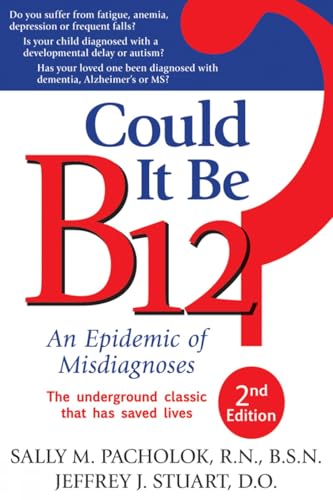
Could It Be B12?: An Epidemic of Misdiagnoses: Pacholok, Sally M, Stuart, Jeffrey J.
Sally M. Pacholok, RN, has worked as an emergency room nurse and paramedic for 25 years. A member of the Emergency Nurses Association, <strong>Pacholok diagnosed herself with vitamin B12 deficiency af

Jarrow Formulas Methyl Vitamin B12 5000 mcg - 60 Chewable Tablets, Naturally Fruit Flavored- Bioactive B12 Vitamin - Supports Cellular Energy Production, Brain Health & Metabolism - 60 Servings
Better Retained With Jarrow B12: ... and vegans (1) Convenient Chewable Tablet: <strong>Each naturally fruit flavored chewable tablet delivers 5000 micrograms (mcg) of methyl B-12</strong>; our B12 me
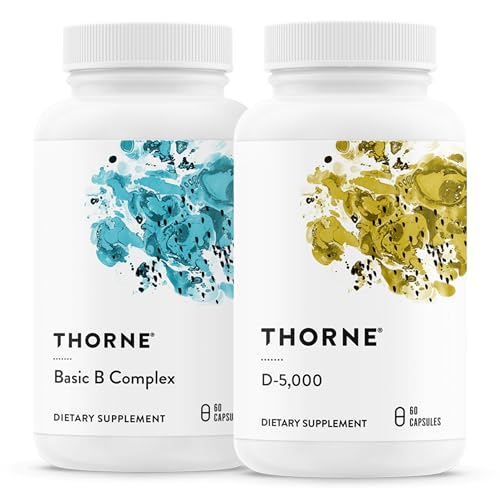
THORNE - Basic B-Complex - Tissue-Ready Vitamin B Complex Supplement with Choline - Supports Cellular Energy Production, Brain Health & Red Blood Cell Formation* - Gluten-Free - 60 Servings
One Capsule Contains: Thiamin (as ... from L-5-Methyltetrahydrofolic Acid, Glucosamine Salt) 667 mcg DFE, <strong>Vitamin B12 (as Methylcobalamin) 400 mcg</strong>, Biotin 400 mcg, Pantothenic Acid (a
Evidence & Sources
Promising research with growing clinical support from multiple studies
- National Institutes of Health Office of Dietary Supplements
- American Academy of Family Physicians
- British Society for Haematology
- National Institute for Health and Care Excellence (NICE)
- Cochrane Database of Systematic Reviews
- New England Journal of Medicine
- Blood
- NCCIH
This content is for informational purposes only and does not constitute medical advice. Always consult a qualified healthcare provider before starting, stopping, or changing any supplement or medication regimen.