

Visceral Manipulation
Also known as: Organ Manipulation, VM Therapy, Visceral Mobilization
Overview
Visceral manipulation is a hands-on manual therapy that focuses on the mobility and perceived motion of the internal organs—such as the intestines, liver, bladder, uterus, and stomach—and the connective tissues that surround and suspend them. The approach is most closely associated with osteopathic and integrative bodywork traditions, where practitioners use gentle palpation and manual techniques with the aim of addressing restrictions in fascial layers, ligaments, mesenteries, and post-surgical or post-inflammatory tissue tension. People commonly explore visceral manipulation in the context of digestive discomfort, pelvic tension, abdominal pain, scar tissue concerns, and recovery after surgery, often as part of broader integrative care.
The theory behind visceral manipulation proposes that reduced tissue glide or altered mechanical relationships among organs and surrounding structures may contribute to pain, restricted movement, autonomic dysregulation, or musculoskeletal compensation patterns. In practice, sessions typically involve assessment of abdominal and pelvic tissue mobility, breathing patterns, and areas of tenderness or tension. Advocates describe the therapy as intended to restore more normal movement between tissues rather than to "move organs into place," a phrase that can oversimplify the method and does not reflect conventional anatomical models.
Interest in visceral manipulation has grown alongside broader public interest in myofascial therapies, pelvic health rehabilitation, and nonpharmacologic pain management. However, the field remains clinically controversial. Some patients report subjective improvement in bloating, abdominal tightness, low back discomfort, pelvic pain, or scar-related restriction, while researchers note that many proposed mechanisms are difficult to measure objectively and that the overall evidence base is still limited. Outcomes may also be influenced by non-specific factors common to manual therapies, including relaxation response, therapeutic touch, changes in muscle guarding, and patient expectations.
From a safety and quality perspective, visceral manipulation is generally discussed as a specialized technique that requires careful clinical judgment, especially in people with recent surgery, active infection, bowel obstruction, acute inflammatory abdominal conditions, vascular abnormalities, pregnancy-related considerations, cancer, or unexplained severe pain. Because abdominal and pelvic symptoms can reflect serious underlying disease, evaluation by an appropriately qualified healthcare professional is important when symptoms are persistent, worsening, or associated with red-flag features.
Medical Perspectives
Two Ways of Seeing Health

Western
scientific · clinical
Western medicine applies science, technology, and clinical experience to treat symptoms through testing, diagnosis, and targeted intervention.

Eastern
traditional · alternative
Eastern medicine focuses on treating the body naturally by applying traditional knowledge practiced for thousands of years, emphasizing balance and whole-person wellness.
Gold Bamboo presents both perspectives side-by-side so you can make informed decisions. We don't advocate for one over the other — your health choices are yours.
Western Medicine Perspective
Western / Conventional Medicine Perspective
In conventional medicine, visceral manipulation is usually categorized as a complementary manual therapy rather than a standard medical treatment. Western anatomy and rehabilitation science do recognize that abdominal and pelvic organs are connected through fascia, ligaments, mesenteric attachments, the diaphragm, pelvic floor, and the autonomic nervous system. Conventional clinicians also acknowledge that surgery, inflammation, endometriosis, irritable bowel syndrome, chronic pelvic pain, and protective muscle guarding can affect tissue sensitivity and movement patterns. This creates a plausible rationale for studying whether manual approaches may influence pain, body awareness, breathing mechanics, or abdominal wall and pelvic floor tension.
At the same time, mainstream medicine generally views many of the stronger claims around visceral manipulation with caution. Objective measurement of normal versus impaired "organ mobility" is challenging, and it is not firmly established that manual correction of these perceived restrictions changes internal organ function in a predictable way. Research to date includes small randomized trials, case series, and studies in areas such as low back pain, constipation, irritable bowel syndrome, postoperative adhesions, and pelvic pain, but findings are mixed and often limited by small sample size, heterogeneity of techniques, difficulty blinding manual therapies, and inconsistent outcome measures.
From a conventional clinical standpoint, any potential role for visceral manipulation is more often framed as adjunctive supportive care within multidisciplinary management rather than as a primary treatment for organ disease. Some rehabilitation and pelvic health practitioners investigate whether it may help selected patients with pain modulation, scar mobility, abdominal wall tension, or functional symptoms. However, for structural, inflammatory, infectious, malignant, or surgical abdominal conditions, standard medical evaluation remains central. Consultation with licensed healthcare professionals is especially important when symptoms include unexplained weight loss, fever, bleeding, severe vomiting, bowel habit changes with alarm signs, or acute abdominal pain.
Eastern & Traditional Perspective
Eastern / Traditional Medicine Perspective
In many traditional and integrative systems, the abdomen is viewed as more than a collection of organs; it is often understood as a functional center of vitality, digestion, circulation, and emotional regulation. While "visceral manipulation" itself is a modern manual therapy term rather than a classical TCM or Ayurvedic technique, its emphasis on restoring internal movement and easing tension overlaps with long-standing bodywork traditions that focus on the abdomen and pelvis. Examples include abdominal massage practices, tui na concepts related to qi and blood flow, osteopathic traditions, and certain naturopathic or integrative manual approaches.
From a Traditional Chinese Medicine (TCM) perspective, abdominal and pelvic discomfort may be interpreted through patterns such as qi stagnation, blood stasis, damp accumulation, cold in the middle jiao, or disharmony affecting the Liver, Spleen, Stomach, Kidney, and Chong/Ren channels. Manual contact over the abdomen may be viewed as a way to support freer movement of qi, reduce guarding, and improve the functional relationship between digestion, breathing, and pelvic circulation. In this framework, symptoms such as bloating, cramping, or pelvic tension are often understood as systemic patterns rather than isolated local problems.
In Ayurvedic and related traditional bodywork models, digestive health, elimination, and abdominal comfort are closely linked to the balance of agni (digestive fire), vata movement, and tissue nourishment. Gentle abdominal therapies are traditionally used in some settings to support comfort, relaxation, and perceived circulation, especially where tension, stagnation, or post-illness weakness are part of the picture. Naturopathic and integrative manual practitioners may similarly frame visceral techniques as supporting the body's self-regulation through touch, breath awareness, and reduction of fascial restriction. As with many traditional approaches, these interpretations are based partly on longstanding clinical tradition and whole-person frameworks rather than modern biomedical validation alone.
Supplements & Products
Recommended Products
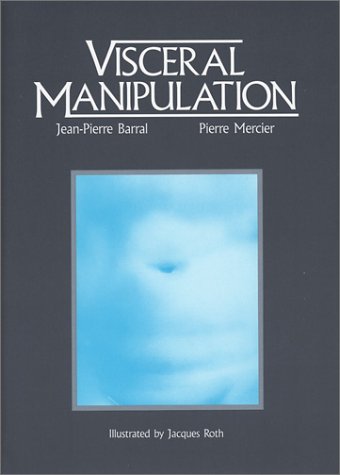
Visceral Manipulation: Jean-Pierre Barral, Pierre Mercier, Jacques Roth
Visceral Manipulation <strong>meticulously describes the indications for evaluating each of the major organs, and explains how to perform manipulative techniques for treating many types of restriction

Tune Up Fitness Treat While You Train Kit with Jill Miller and Kelly Starrett, 2 DVD Set and Full Roll Model Self Massage Therapy Ball Set, Improve Mobility, Myofascial Release, Trigger Point Therapy
Featured Product: With a focus on Performance, Recovery and Injury Prevention, this <strong>2-Disc DVD features JILL MILLER & KELLY STARRETT guiding you on self-treatment strategies using each of

QUEEN OF THE THRONES Castor Oil Pack for Liver Kit - Heatless, Less-Mess, Reusable - Organic Cotton Flannel, Comfort Fit, Soft Straps & Naturopathic Doctor Designed (16.9 oz Castor Oil Included)
Your Queen of the Thrones Castor Oil Pack for Liver is made of an inner layer of soft organic cotton flannel, an outer less-mess layer of polypropylene that is heat-bonded (a cleaner alternative to ch
Evidence & Sources
Early-stage research, mostly preclinical or preliminary human studies
- National Center for Complementary and Integrative Health (NCCIH)
- American Osteopathic Association
- Journal of Bodywork and Movement Therapies
- BMC Complementary Medicine and Therapies
- International Urogynecology Journal
- Journal of Complementary and Integrative Medicine
- Cochrane Library
- World Health Organization (WHO)
This content is for informational purposes only and does not constitute medical advice. Always consult a qualified healthcare provider before starting, stopping, or changing any supplement or medication regimen.