

Ultrasound Therapy
Also known as: Therapeutic Ultrasound, Ultrasound Physiotherapy, US Therapy
Overview
Ultrasound therapy is a rehabilitation modality that uses high-frequency sound waves delivered through a handheld transducer placed on the skin, usually with a conductive gel. In clinical settings, it is commonly used by physical therapists, sports medicine clinicians, and rehabilitation providers as part of a broader care plan for muscle, tendon, ligament, and joint-related symptoms. The technique is distinct from diagnostic ultrasound imaging: instead of creating pictures, therapeutic ultrasound is intended to deliver mechanical energy into tissues, with the goal of supporting pain relief, circulation, and aspects of soft tissue recovery.
Therapeutic ultrasound is generally described in two broad forms: continuous ultrasound, which is associated with tissue heating, and pulsed ultrasound, which is used when clinicians aim for more limited thermal effects and greater emphasis on non-thermal mechanical actions. Proposed mechanisms include mild deep heating, changes in tissue extensibility, acoustic streaming, and cavitation-related cellular effects. In rehabilitation discussions, it is often mentioned for conditions such as tendinopathy, muscle strain, bursitis, osteoarthritis-related discomfort, and periarticular soft tissue irritation, although the degree of benefit appears to vary considerably by condition, treatment settings, and the broader program it is paired with.
Interest in ultrasound therapy persists because it is noninvasive, widely available, and often incorporated into integrative rehabilitation alongside exercise therapy, manual therapy, stretching, and activity modification. At the same time, clinical evidence has been mixed. Research suggests that while some patients report symptom improvement, especially when ultrasound is embedded within a structured rehabilitation plan, studies do not consistently show large or durable benefits over placebo or other conservative modalities for many common musculoskeletal complaints.
From an evidence standpoint, ultrasound therapy occupies a middle ground: it is well known and widely used in rehabilitation practice, but not uniformly supported across all indications. This makes it a useful topic for balanced review. Conventional medicine tends to evaluate it according to measurable outcomes such as pain scores, range of motion, and functional recovery, whereas traditional and integrative systems may place more emphasis on circulation, tissue vitality, energy flow, and the body's self-repair processes. As with any therapeutic modality, interpretation is strongest when ultrasound is considered in the context of an individual's diagnosis, functional goals, and guidance from qualified healthcare professionals.
Medical Perspectives
Two Ways of Seeing Health

Western
scientific · clinical
Western medicine applies science, technology, and clinical experience to treat symptoms through testing, diagnosis, and targeted intervention.

Eastern
traditional · alternative
Eastern medicine focuses on treating the body naturally by applying traditional knowledge practiced for thousands of years, emphasizing balance and whole-person wellness.
Gold Bamboo presents both perspectives side-by-side so you can make informed decisions. We don't advocate for one over the other — your health choices are yours.
Western Medicine Perspective
Western Medicine Perspective
In conventional medicine and physical rehabilitation, ultrasound therapy is viewed as an adjunctive treatment modality rather than a stand-alone solution. The central biomedical rationale is that acoustic energy may produce thermal and mechanical effects in soft tissues. Continuous ultrasound is thought to raise tissue temperature at depth, which may temporarily improve collagen extensibility and reduce stiffness, while pulsed ultrasound is studied for non-thermal effects that may influence tissue repair signaling, local fluid movement, and inflammation-related processes. In practice, clinicians may incorporate it into treatment programs for soft tissue injuries, tendinopathies, scar tissue restriction, and some painful joint conditions.
However, the research base is heterogeneous. Systematic reviews and professional guidelines have found that therapeutic ultrasound shows inconsistent efficacy across musculoskeletal conditions. For disorders such as nonspecific shoulder pain, knee osteoarthritis, low back pain, and soft tissue injuries, studies often report mixed results, with some showing modest short-term improvement and others finding little difference compared with sham treatment or active comparators. Many trials are limited by small sample sizes, variable treatment parameters, and differences in outcome measures, making firm conclusions difficult. As a result, modern rehabilitation often gives greater priority to interventions with stronger support, such as therapeutic exercise, progressive loading, and condition-specific physical therapy strategies.
Conventional care also emphasizes safety screening and appropriate use. Therapeutic ultrasound is generally avoided over certain areas or circumstances, such as known malignancy, some implanted electronic devices depending on context, impaired sensation, active bleeding risk, pregnancy over the abdomen, or areas where tissue heating may be unsafe. In evidence-based rehabilitation, the question is not simply whether ultrasound can have a physiological effect, but whether those effects translate into meaningful clinical outcomes like improved function, reduced disability, and sustained pain relief. That distinction explains why ultrasound remains common in practice while still being debated in the literature.
Eastern & Traditional Perspective
Eastern/Traditional Medicine Perspective
In Traditional Chinese Medicine (TCM), Ayurveda, and integrative bodywork traditions, ultrasound therapy is not a classical ancient treatment in the way that acupuncture, moxibustion, herbal medicine, or oil therapies are. Instead, it is often interpreted as a modern supportive tool that can complement traditional frameworks for pain, stagnation, and impaired tissue recovery. From a TCM-informed perspective, musculoskeletal pain is frequently associated with obstruction of qi and blood flow, sometimes described through patterns involving cold, dampness, trauma, or local stagnation. A modality that generates warmth and promotes local circulation may therefore be understood as helping to ease stagnation and support restoration of normal movement.
Within Ayurvedic interpretation, chronic pain and tissue dysfunction are often discussed in relation to imbalance in Vata, particularly when there is dryness, pain, stiffness, or irregular healing. Warmth-based or circulation-supporting therapies are traditionally used to help calm these patterns, especially when integrated with massage, movement practices, or topical applications. Although therapeutic ultrasound itself is not part of classical Ayurvedic texts, practitioners in integrative settings may view it as functionally analogous to certain localized therapies that aim to improve tissue nourishment and reduce discomfort.
Naturopathic and integrative rehabilitation models may frame ultrasound therapy as a non-pharmaceutical modality that supports the body's healing environment, especially when paired with exercise, manual medicine, hydrotherapy, or other restorative approaches. Traditional systems generally place less emphasis on the device in isolation and more on the overall pattern of recovery: circulation, mobility, constitutional balance, and reduction of local obstruction. At the same time, responsible integrative practice recognizes that modern modalities like ultrasound are best evaluated with contemporary evidence, particularly when used for defined orthopedic or sports injuries. This creates a bridge between traditional theory and modern rehabilitation science.
Supplements & Products
Recommended Products

Physical Agents in Rehabilitation: An Evidence-Based Approach to Practice
With straightforward, in-depth ... Agents in Rehabilitation: <strong>An Evidence-Based Approach to Practice, 5th Edition reflects how physical agents and modalities are being discussed in the classroo
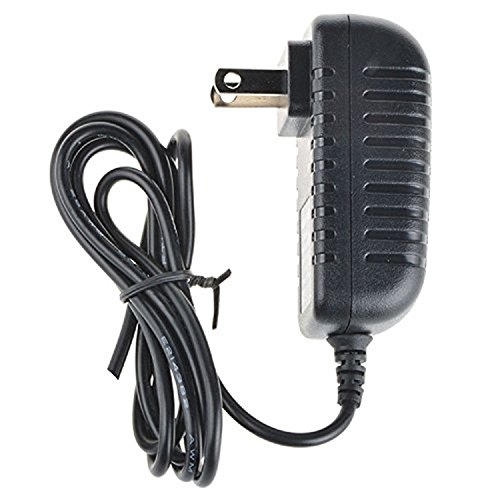
ABLEGRID New AC/DC Adapter for US Pro 2000 USPro2000 Professional Ultrasound Portable Therapy Ultra Sound Power Supply Cord : Electronics
Amazon.com: ABLEGRID New AC/DC Adapter for US Pro 2000 USPro2000 Professional Ultrasound Portable Therapy Ultra Sound Power Supply Cord : Electronics

Parker Laboratories Aquasonic Ultrasound Gel .25 Liter Bottle : Industrial & Scientific
Customer ReviewAquasonic Ultrasound Gel - For Ultrasound treatments during Occupational &amp; Physical therapySee Full Review · The main ingredient in the Aquasonic 100 Ultrasound Gel is Reverse O
Evidence & Sources
Promising research with growing clinical support from multiple studies
- Cochrane Database of Systematic Reviews
- Journal of Orthopaedic & Sports Physical Therapy
- Archives of Physical Medicine and Rehabilitation
- Physical Therapy
- National Center for Complementary and Integrative Health (NCCIH)
- American Physical Therapy Association (APTA)
- Osteoarthritis and Cartilage
- BMJ
This content is for informational purposes only and does not constitute medical advice. Always consult a qualified healthcare provider before starting, stopping, or changing any supplement or medication regimen.