

Thyroid Optimization
Also known as: thyroid recovery, thyroid support
Overview
Thyroid optimization refers to efforts aimed at supporting or improving thyroid hormone balance, thyroid-related symptoms, and overall metabolic function through a combination of medical evaluation, nutrition, lifestyle measures, and sometimes hormone-based treatment. The thyroid gland plays a central role in regulating energy use, temperature control, heart rate, mood, bowel function, menstrual health, and many other processes through production of the hormones thyroxine (T4) and triiodothyronine (T3). Because thyroid signaling interacts with the brain, adrenal system, liver, gut, and immune system, the concept of “optimization” often extends beyond the gland itself.
In conventional medicine, thyroid concerns are typically framed around recognizable disorders such as hypothyroidism, hyperthyroidism, autoimmune thyroid disease, thyroid nodules, and subclinical thyroid dysfunction. In popular and integrative health discussions, however, “thyroid optimization” may also refer to attempts to address persistent fatigue, weight changes, hair loss, cold intolerance, or brain fog in people with borderline laboratory findings or symptoms despite treatment. This broader use makes the topic both clinically relevant and sometimes controversial, because symptoms commonly attributed to thyroid dysfunction can also overlap with anemia, sleep disorders, depression, perimenopause, chronic stress, medication effects, and nutrient deficiencies.
Dietary and lifestyle strategies associated with thyroid support commonly include attention to iodine, selenium, iron, zinc, protein intake, calorie adequacy, sleep, stress regulation, physical activity, and avoidance of excessive dietary restriction. Research suggests that severe deficiency or excess in certain nutrients can impair thyroid hormone production or conversion, while autoimmune thyroid disease may be influenced by immune and inflammatory pathways. At the same time, not all “thyroid support” strategies are evidence-based; some supplements marketed for this purpose have been found to contain unlisted thyroid hormones or iodine levels that may worsen dysfunction.
A balanced view of thyroid optimization therefore involves distinguishing between evidence-supported correction of true dysfunction or deficiency, symptom management in people already diagnosed and treated, and more speculative wellness approaches. Appropriate assessment often includes thyroid laboratory testing interpreted in clinical context, review of medications and supplements, and consideration of underlying causes such as autoimmune disease, pregnancy-related changes, iodine imbalance, or pituitary disorders. Because both undertreatment and overtreatment of thyroid conditions can carry meaningful health risks, most authoritative sources emphasize individualized evaluation with a qualified healthcare professional.
Medical Perspectives
Two Ways of Seeing Health

Western
scientific · clinical
Western medicine applies science, technology, and clinical experience to treat symptoms through testing, diagnosis, and targeted intervention.

Eastern
traditional · alternative
Eastern medicine focuses on treating the body naturally by applying traditional knowledge practiced for thousands of years, emphasizing balance and whole-person wellness.
Gold Bamboo presents both perspectives side-by-side so you can make informed decisions. We don't advocate for one over the other — your health choices are yours.
Western Medicine Perspective
Western / Conventional Medicine Perspective
In conventional medicine, thyroid optimization begins with accurate diagnosis and biochemical assessment, not symptom lists alone. Standard evaluation often includes TSH (thyroid-stimulating hormone) and, depending on the clinical picture, free T4, sometimes free T3, and thyroid peroxidase (TPO) or thyroglobulin antibodies when autoimmune thyroiditis is suspected. Ultrasound may be used for nodules or structural concerns. Western medicine generally views the main treatment goals as restoring thyroid hormone levels to an appropriate range, reducing symptoms, identifying underlying causes, and avoiding complications such as dyslipidemia, infertility, arrhythmias, osteoporosis, or cardiovascular strain.
For hypothyroidism, the most established therapy is levothyroxine (synthetic T4), which has a strong evidence base and guideline support. Research indicates that most patients achieve adequate control with levothyroxine when dosing and adherence are optimized. Ongoing debate exists around patients who continue to report symptoms despite normalized TSH. Some studies have explored combination T4/T3 therapy or liothyronine use in selected individuals, but findings have been mixed, and major societies generally consider such approaches more individualized than standard. Desiccated thyroid extract remains controversial because of variable hormone ratios and less predictable pharmacology compared with levothyroxine.
Nutritional and lifestyle contributors are also recognized within conventional care, especially in specific contexts. Iodine deficiency is a well-known cause of hypothyroidism globally, yet excess iodine can also trigger or worsen thyroid dysfunction, particularly in susceptible individuals. Selenium, iron, and zinc are relevant to thyroid hormone synthesis and metabolism, but supplementation is typically viewed as appropriate only when deficiency or insufficiency is present or strongly suspected. For autoimmune thyroid disease, studies suggest some dietary patterns and selenium status may influence antibodies or well-being in certain populations, though evidence is not strong enough to support broad claims of reversal. Conventional medicine is generally cautious about restrictive diets, over-the-counter “thyroid boosters,” and nonstandard hormone protocols because of risks of iatrogenic hyperthyroidism, bone loss, and cardiac effects.
Overall, the western model emphasizes laboratory-guided management, clarification of root pathology, medication precision, and safety monitoring. It also recognizes that persistent symptoms may require investigation beyond the thyroid itself. This perspective tends to support optimization when it means improving diagnosis, correcting deficiencies, and refining evidence-based treatment, while remaining skeptical of interventions that promise broad metabolic enhancement without robust clinical data.
Eastern & Traditional Perspective
Eastern / Traditional Medicine Perspective
Traditional systems typically do not define health through thyroid laboratory values alone. Instead, they interpret symptoms associated with low or dysregulated thyroid function through broader patterns of imbalance involving energy, digestion, circulation, resilience, and endocrine harmony. In Traditional Chinese Medicine (TCM), symptom clusters resembling hypothyroid presentations may be associated with patterns such as Spleen Qi deficiency, Kidney Yang deficiency, Phlegm accumulation, or Liver Qi stagnation, depending on the person’s constitution and presentation. The therapeutic framework is aimed at restoring systemic balance rather than “boosting the thyroid” in a biochemical sense.
TCM approaches have traditionally included acupuncture, moxibustion, herbal formulas, and dietary therapy to support warmth, vitality, fluid metabolism, and stress regulation. Some modern studies suggest acupuncture may help with fatigue, mood, sleep, or quality-of-life measures in people with endocrine or autoimmune conditions, but evidence specific to thyroid optimization remains limited and heterogeneous. Herbal medicine is a major part of traditional care, yet this area requires caution because herbs may interact with thyroid medication, affect heart rhythm, or contain variable constituents. From an evidence standpoint, these approaches are best described as adjunctive and individualized, with stronger traditional rationale than definitive clinical confirmation.
In Ayurveda, thyroid-related symptoms are often understood through disturbances in agni (metabolic fire), kapha accumulation, or vata imbalance, depending on whether sluggishness, swelling, dryness, anxiety, or digestive irregularity predominates. The emphasis is often placed on digestion, daily routine, stress load, sleep, and constitutional balance. Ayurvedic practice may incorporate food timing, warming foods, yoga, breathwork, meditation, and botanical preparations traditionally used to support metabolism and resilience. As with TCM, published evidence is evolving, but much of the rationale remains grounded in traditional frameworks rather than large modern trials.
Naturopathic and integrative traditions often bridge eastern and western models by focusing on nutrient status, stress physiology, gut health, inflammatory load, and environmental exposures alongside standard thyroid testing. This perspective frequently highlights the interconnectedness of thyroid function with sleep, blood sugar balance, chronic under-eating, overtraining, and autoimmunity. While some of these concepts are biologically plausible and partially supported by emerging research, the quality of evidence varies considerably. Across traditional systems, the most balanced interpretation is that they may offer whole-person frameworks and supportive practices, but they do not replace appropriate diagnosis or monitoring for established thyroid disease.
Supplements & Products
Recommended Products
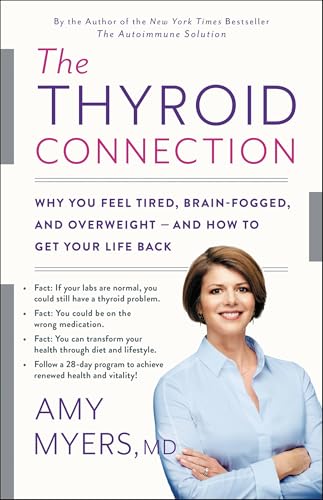
The Thyroid Connection: Why You Feel Tired, Brain-Fogged, and Overweight - and How to Get Your Life Back: Amy Myers MD
I myself had Graves' disease, an ... in my functional medicine clinic in Austin, Texas. Amy Myers, MD, is a <strong>specialist in autoimmune diseases</strong> whose career was set in motion by he
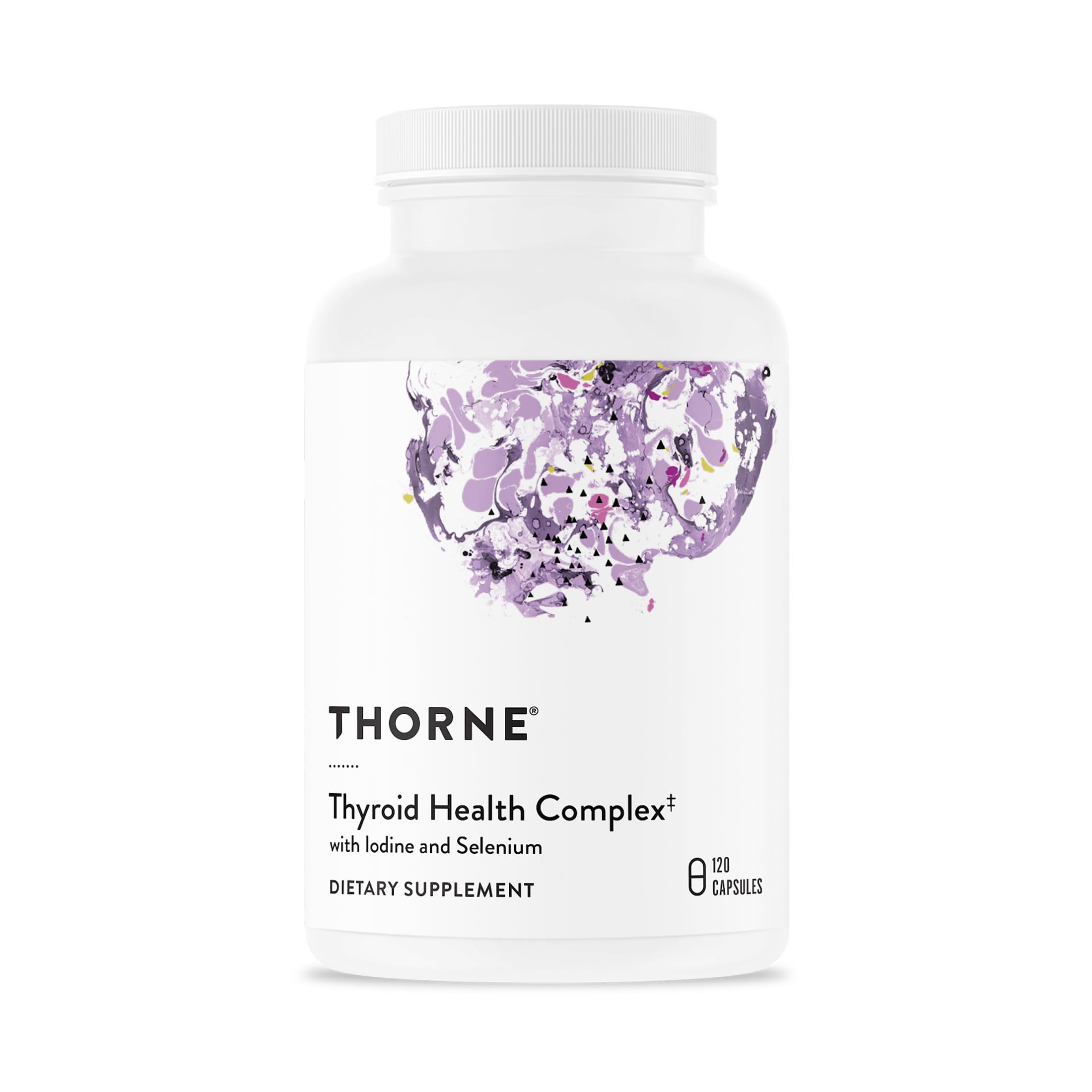
THORNE - Thyroid Health Complex - Thyroid Cofactors for Thyroid Function Support* - Vitamins B12, C & E, Ashwagandha, Iodine, Zinc, Selenium, Copper & L-Tyrosine - Third-Party Certified - 120 Capsules
Thyroid Health: <strong>Formulated with botanical ashwagandha, iodine, tyrosine, and essential vitamins and minerals to support optimal levels of thyroid hormones</strong>*

NOW Foods Selenium 200 mcg VCaps, 180 ct
NOW Foods Supplements, Selenium (L-Selenomethionine) 100 mcg, Essential Mineral*, 250 Tablets · NOW Supplements, Selenium (L-Selenomethionine) 100 mcg, Essential Mineral*, 100 Tablets · Nature's
Evidence & Sources
Promising research with growing clinical support from multiple studies
- American Thyroid Association
- European Thyroid Association
- National Institute of Diabetes and Digestive and Kidney Diseases (NIDDK)
- National Center for Complementary and Integrative Health (NCCIH)
- World Health Organization
- The Journal of Clinical Endocrinology & Metabolism
- Thyroid
- Cochrane Database of Systematic Reviews
This content is for informational purposes only and does not constitute medical advice. Always consult a qualified healthcare provider before starting, stopping, or changing any supplement or medication regimen.