

TENS Therapy
Also known as: transcutaneous electrical nerve stimulation, TENS unit
Overview
Transcutaneous electrical nerve stimulation (TENS) therapy is a noninvasive pain-management approach that uses low-voltage electrical currents delivered through electrodes placed on the skin. A portable TENS unit sends pulsed stimulation to targeted areas with the aim of reducing pain perception. It has been used in a wide range of settings, including musculoskeletal pain, osteoarthritis, low back pain, neuropathic pain, postoperative discomfort, labor pain, and some rehabilitation programs. Because it does not rely on medication and can be applied locally, TENS has remained a widely recognized option within broader pain-management strategies.
From a physiological standpoint, TENS is often discussed in relation to the gate control theory of pain, which proposes that non-painful sensory input can modulate pain signaling in the spinal cord and brain. Research also suggests TENS may influence the release of endogenous opioids and other neurotransmitters involved in pain processing. In practice, effects can vary depending on stimulation frequency, intensity, duration, electrode placement, and the type of pain being treated. This variability is one reason the clinical literature is sometimes mixed, with some studies reporting meaningful relief and others finding limited or inconsistent benefit.
TENS is especially notable because it sits at the intersection of medical technology, rehabilitation, and integrative pain care. It is commonly discussed as an adjunctive therapy rather than a stand-alone solution. Interest in TENS has persisted as healthcare systems seek nonpharmacologic approaches to pain, particularly in the context of concerns about long-term analgesic use and opioid-related harms. At the same time, researchers and clinicians emphasize that not all pain conditions respond equally, and the quality of evidence differs across indications.
Safety is generally considered favorable when TENS is used appropriately, though it is not suitable in every circumstance. Skin irritation, discomfort from stimulation, and issues related to certain implanted devices or specific medical conditions may need professional review. For that reason, many clinical resources note the importance of individualized assessment and consultation with a qualified healthcare provider, especially for persistent, severe, or unexplained pain.
Medical Perspectives
Two Ways of Seeing Health

Western
scientific · clinical
Western medicine applies science, technology, and clinical experience to treat symptoms through testing, diagnosis, and targeted intervention.

Eastern
traditional · alternative
Eastern medicine focuses on treating the body naturally by applying traditional knowledge practiced for thousands of years, emphasizing balance and whole-person wellness.
Gold Bamboo presents both perspectives side-by-side so you can make informed decisions. We don't advocate for one over the other — your health choices are yours.
Western Medicine Perspective
Western / Conventional Medicine Perspective
In conventional medicine, TENS is viewed as a symptom-management modality primarily used to reduce pain intensity and sometimes improve function enough to support movement, physical therapy, or daily activities. It is most often categorized under physical medicine, rehabilitation, and nonpharmacologic pain interventions. Clinicians may consider it in the context of chronic musculoskeletal pain, osteoarthritis, neck or back pain, and certain postoperative or neuropathic pain scenarios, although guideline support varies considerably by condition. Some professional organizations and reviews find limited-to-moderate benefit, while others conclude that the evidence remains uncertain because of small trial sizes, inconsistent protocols, and difficulty blinding participants.
A major issue in the research literature is heterogeneity. TENS outcomes may depend heavily on dose-related factors such as pulse frequency, pulse width, stimulation intensity, treatment duration, and whether stimulation is strong enough to activate sensory pathways effectively. Systematic reviews have suggested that under-dosing and poor standardization may contribute to negative or inconclusive findings. More recent analyses indicate that when TENS is delivered at adequate intensity during pain, some patients experience short-term analgesic effects, but the magnitude and durability of benefit can still differ substantially across populations.
From a safety and regulatory standpoint, TENS is generally regarded as low risk when used correctly, but conventional medicine recognizes clear precautions. Clinical sources commonly note concerns in people with pacemakers or other implanted electrical devices, over certain body areas, or in situations where altered sensation or skin integrity could increase risk. TENS is therefore typically framed as one component of a broader pain-care plan rather than a universal or definitive therapy. Persistent pain, rapidly worsening symptoms, or pain associated with neurological deficits, systemic illness, or injury generally warrant medical evaluation.
Eastern & Traditional Perspective
Eastern / Traditional Medicine Perspective
In Traditional Chinese Medicine (TCM) and related East Asian medical systems, externally applied electrical stimulation is often understood through concepts that overlap with both modern neuromodulation and classical meridian theory. TENS is sometimes compared with or integrated into electroacupuncture-style thinking, where stimulation of specific points or channels is believed to help regulate the flow of Qi and Blood, reduce stagnation, and ease pain. From this perspective, pain may reflect blockage or imbalance, and electrical stimulation is interpreted as a way of supporting circulation and restoring more harmonious movement through affected pathways.
Although standard TENS is not identical to acupuncture or electroacupuncture, practitioners in integrative settings may place electrodes near acupuncture points, trigger points, or meridian pathways. Traditional frameworks may classify pain according to excess, deficiency, cold, dampness, or stagnation patterns, with the location and quality of pain helping shape interpretation. Research comparing TENS-like stimulation with acupuncture-based approaches suggests there may be some overlap in analgesic mechanisms, including effects on local circulation, peripheral nerves, and central pain modulation, though the theoretical language differs.
In Ayurvedic and naturopathic perspectives, TENS is generally not a classical therapy in the historical sense, but it may be incorporated into modern integrative care as a supportive tool for pain relief while broader patterns of imbalance are addressed. These systems often emphasize the terrain surrounding pain—such as inflammation, stress load, muscular tension, nervous system reactivity, digestion, sleep, and overall vitality—rather than focusing only on symptom suppression. As a result, TENS may be viewed as a useful adjunct within a larger restorative framework, while traditional practitioners typically note that ongoing or complex pain patterns merit individualized professional assessment.
Supplements & Products
Recommended Products
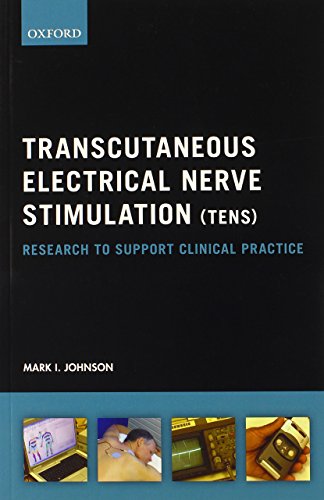
Transcutaneous Electrical Nerve Stimulation (TENS): Research to support clinical practice eBook : Johnson, Mark I.: Kindle Store
Amazon.com: Transcutaneous Electrical Nerve Stimulation (TENS): <strong>Research to support clinical practice</strong> eBook : Johnson, Mark I.: Kindle Store
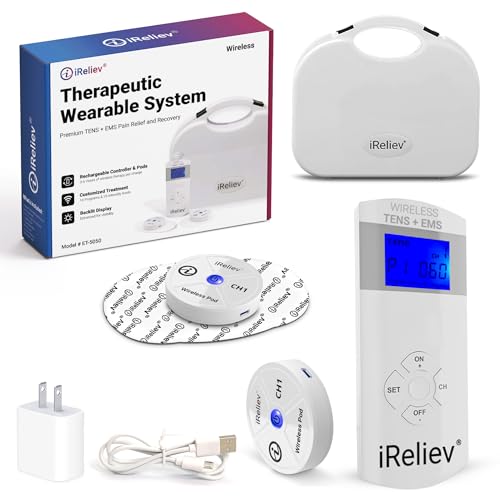
iReliev Wireless TENS + EMS Therapeutic Wearable System Wireless TENS Unit + Muscle Stimulator Combination for Pain Relief, Arthritis, Muscle Conditioning, Muscle Strength
iReliev TENS Unit + EMS Muscle Stimulator with 14 Therapy Modes, Premium Pain Relief and Recovery System, Rechargeable, Large Back Lit Display, Large and Small Electrode Pads
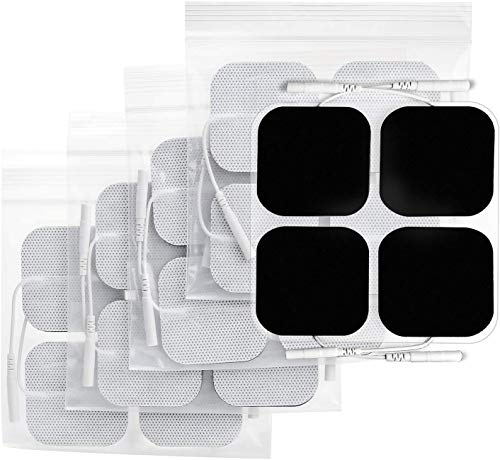
AUVON TENS Unit Pads Electrode Patches with Upgraded Self-Stick Performance and Skin-Friendly Design for Electrotherapy : Industrial & Scientific
TENS Unit Replacement Pads, NURSAL ... 20 Packs Multiple Sizes Electrodes for TENS Unit, <strong>Reusable and Latex Free Pigtail TENS Pads for Multiple Pain Relief, 2mm Connector</strong>...
Evidence & Sources
Promising research with growing clinical support from multiple studies
- Cochrane Database of Systematic Reviews
- Journal of Pain
- PAIN
- BMJ
- National Center for Complementary and Integrative Health (NCCIH)
- World Health Organization (WHO)
- American Physical Therapy Association (APTA)
- StatPearls
This content is for informational purposes only and does not constitute medical advice. Always consult a qualified healthcare provider before starting, stopping, or changing any supplement or medication regimen.