

Red Light Therapy
Also known as: photobiomodulation, RLT
Overview
Red light therapy (RLT), also referred to in medical literature as photobiomodulation (PBM) or low-level light therapy (LLLT), involves exposure to specific wavelengths of visible red and near-infrared light to influence biological activity in tissues. It is commonly discussed in relation to skin health, wound healing, musculoskeletal discomfort, inflammation, exercise recovery, and hair growth. Unlike ultraviolet light, which can damage DNA and increase skin cancer risk, red and near-infrared wavelengths are generally studied for their non-thermal, non-ionizing effects on cells.
Research suggests that red light may affect mitochondrial function, particularly through interaction with cytochrome c oxidase, a component involved in cellular energy production. Proposed downstream effects include changes in ATP production, oxidative stress signaling, blood flow, collagen activity, and inflammatory mediators. These mechanisms have made red light therapy a topic of interest across dermatology, rehabilitation medicine, sports medicine, pain management, and integrative health.
The significance of red light therapy lies in its broad appeal as a noninvasive, device-based intervention. Clinical use ranges from in-office medical devices to home wellness products, though the quality, intensity, wavelength accuracy, and regulatory oversight of devices vary considerably. This variability is important because outcomes in studies often depend on highly specific treatment parameters, including wavelength, dose, treatment duration, tissue depth, and frequency of use.
Overall, the evidence base is promising but uneven. Some applications—such as certain dermatologic uses, oral mucositis prevention in cancer care settings, and aspects of wound healing or hair growth—have more substantial clinical literature. Other claims, especially broad wellness or anti-aging claims, remain less firmly established. As with many device-based therapies, interpretation of the evidence requires attention to study quality, device specifications, and the difference between clinical supervision and consumer marketing.
Medical Perspectives
Two Ways of Seeing Health

Western
scientific · clinical
Western medicine applies science, technology, and clinical experience to treat symptoms through testing, diagnosis, and targeted intervention.

Eastern
traditional · alternative
Eastern medicine focuses on treating the body naturally by applying traditional knowledge practiced for thousands of years, emphasizing balance and whole-person wellness.
Gold Bamboo presents both perspectives side-by-side so you can make informed decisions. We don't advocate for one over the other — your health choices are yours.
Western Medicine Perspective
Western Medicine Perspective
In conventional medicine, red light therapy is understood primarily through the framework of photobiomodulation. Studies indicate that red and near-infrared light may penetrate tissue to varying depths and trigger biochemical signaling that influences cellular repair, inflammation, circulation, and pain pathways. Researchers have investigated RLT for conditions including osteoarthritis, tendinopathies, neck pain, diabetic ulcers, pressure injuries, radiation-induced oral mucositis, acne, photoaging, and androgenetic alopecia. However, the strength of evidence differs considerably by indication.
Among the more studied areas, systematic reviews and clinical guidelines have found support for photobiomodulation in prevention or reduction of oral mucositis in some cancer treatment settings, and dermatology literature has explored benefits for collagen remodeling, erythema reduction, and inflammatory acne. There is also a meaningful body of research on hair growth, particularly for male and female pattern hair loss, where some randomized trials suggest improvement in hair density or thickness. In musculoskeletal medicine, findings are mixed: some trials report reductions in pain or improvement in function, while others show limited or inconsistent benefit. A major issue is heterogeneity in wavelength, power density, duration, and treatment schedules.
From a safety perspective, red light therapy is generally regarded as low risk when properly used, especially compared with more invasive modalities. Reported adverse effects are usually mild and may include temporary redness, warmth, eye discomfort, or irritation depending on the device and treatment area. Conventional clinicians typically emphasize that RLT is not a replacement for standard diagnosis or medically necessary care, particularly for persistent pain, suspicious skin lesions, severe wounds, or inflammatory conditions that may have underlying systemic causes. Medical evaluation remains important because device-based symptom relief does not necessarily address the root condition.
Eastern & Traditional Perspective
Eastern / Traditional Medicine Perspective
In Traditional Chinese Medicine (TCM) and related East Asian healing systems, red light therapy is often interpreted less through mitochondrial language and more through concepts such as warming, stimulating circulation, and supporting the movement of Qi and Blood. Although red light therapy itself is a modern technology, its functional role can resemble traditional methods used to warm meridians and reduce stagnation, such as moxibustion, heat therapy, and localized external stimulation. Within this lens, red light may be viewed as helping areas characterized by coldness, stagnation, poor circulation, or slow recovery.
In Ayurvedic and naturopathic contexts, red light therapy is often framed as a supportive modality that may encourage the body’s innate healing processes, especially in relation to tissue repair, vitality, circulation, and inflammatory balance. Some practitioners draw parallels between light exposure and broader traditional ideas about the role of energy, warmth, and restoration of balance in healing. These interpretations are philosophical rather than directly equivalent to biomedical models, but they help explain why RLT has been integrated into many holistic practices.
Traditional and integrative systems generally place red light therapy within a broader therapeutic context rather than viewing it as a standalone answer. It may be discussed alongside acupuncture, bodywork, herbal traditions, breath practices, topical care, and lifestyle balancing. At the same time, reputable integrative practitioners typically acknowledge that the modern evidence base for red light therapy is condition-specific, and that traditional theories do not substitute for medical assessment when symptoms are severe, unexplained, or progressive. This balanced view reflects the growing overlap between traditional healing philosophies and modern device-based supportive care.
Supplements & Products
Recommended Products
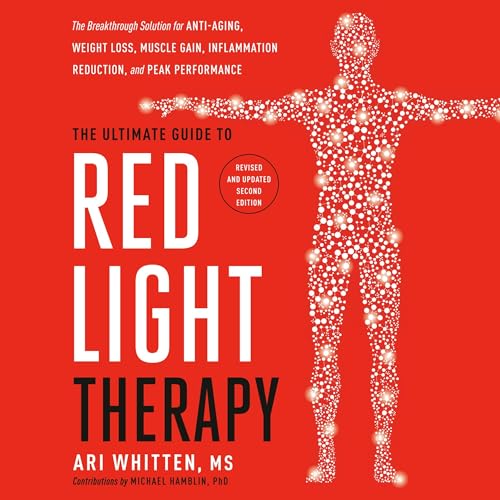
The Ultimate Guide To Red Light Therapy: How to Use Red and Near-Infrared Light Therapy for Anti-Aging, Fat Loss, Muscle Gain, Performance, and Brain Optimization - Kindle edition by Whitten, Ari. Health, Fitness & Dieting Kindle eBooks @ Amazon.com.
In this book, Ari Whitten - bestselling ... topic, and <strong>takes you on a deep dive into the science of how to use red/near-infrared light therapy to improve your health, your body and your life i
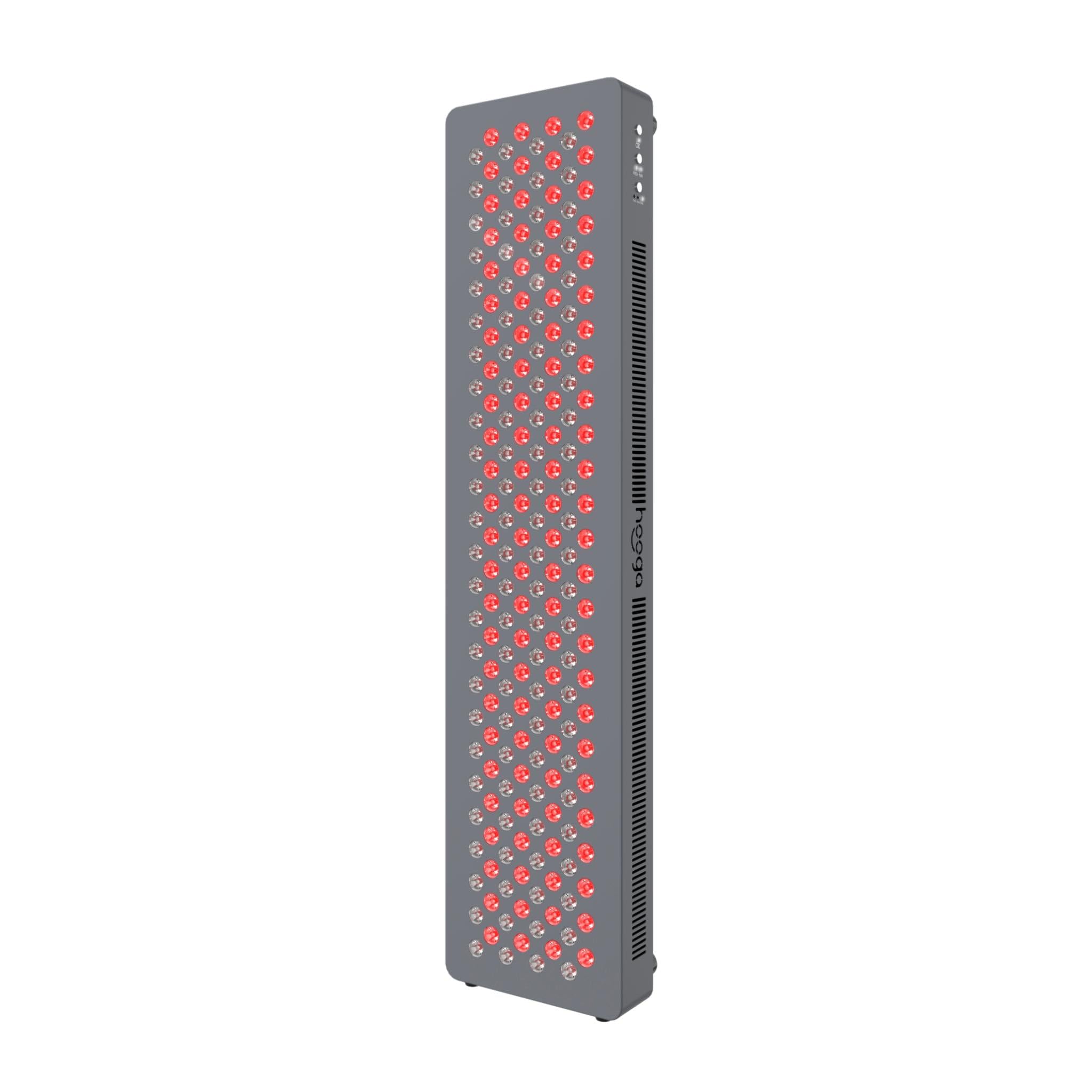
Hooga Red Light Therapy Panel – 660nm Red & 850nm Near Infrared Light Therapy Device, LED Light Therapy Lamp for Face & Body, 60 LEDs, Timer, Stand, Carrying Handle – HG300
hooga Red Light Therapy Bulb, 660nm & 850nm Red & Near Infrared Light, <strong>12 Dual-Chip LEDs, Targeted Light Bulb with Base & Braided Power Cord for Home Wellness Routine</strong>, HG2

iRestore Professional Laser Red Light Therapy for Hair Growth System - FDA Cleared Hair Loss, Hair Thinning & Alopecia Treatment for Men & Women - 282 Lasers & LEDs
Full Scalp Coverage - <strong>Experience advanced red light therapy with 282 lasers and LEDs designed to target your hairline, sides, and crown by stimulating hair follicles deep within the scalp</str
Evidence & Sources
Promising research with growing clinical support from multiple studies
- National Center for Complementary and Integrative Health (NCCIH)
- World Health Organization (WHO)
- Journal of Biophotonics
- Lasers in Medical Science
- Photomedicine and Laser Surgery
- The Lancet Oncology
- JAMA Dermatology
- American Academy of Dermatology
- BMJ Open
- Cochrane Library
This content is for informational purposes only and does not constitute medical advice. Always consult a qualified healthcare provider before starting, stopping, or changing any supplement or medication regimen.