

Pranayama
Also known as: yogic breathing, pranayama exercises
Overview
Pranayama is a broad term from the yoga tradition referring to structured breathing practices used to influence physical, mental, and energetic states. In classical yoga texts, pranayama is often described as the regulation or expansion of prana—commonly translated as vital life force—through conscious control of inhalation, exhalation, and breath retention. In modern wellness and integrative health settings, pranayama includes a range of techniques such as slow diaphragmatic breathing, alternate nostril breathing, paced breathing, humming exhalation, and more vigorous methods like kapalabhati or bhastrika. These practices are commonly used to support stress regulation, attention, emotional balance, and respiratory awareness.
Pranayama has gained global attention because breathing is one of the few bodily functions that can be both automatic and voluntarily modified. This makes it a practical bridge between mental states and physiology. Research suggests that controlled breathing can affect the autonomic nervous system, heart rate variability, perceived stress, and patterns of arousal. As a result, pranayama is increasingly studied within behavioral medicine, rehabilitation, mental health, sports science, and integrative care. It is often included as one component of broader yoga-based interventions, though this can make it difficult to isolate the effects of breathing practice alone.
From a public health perspective, interest in breathwork has grown alongside rising rates of stress-related symptoms, anxiety, sleep disturbance, and chronic cardiometabolic conditions. Studies indicate that certain pranayama techniques may be associated with improvements in anxiety symptoms, blood pressure, respiratory efficiency, and quality of life in some populations. At the same time, the effects vary by method, intensity, duration, and individual health status. Slow, regulated breathing practices are generally the most studied in clinical settings, whereas forceful or retention-based techniques may be less appropriate for some people, especially those with underlying cardiovascular, neurologic, or pulmonary concerns.
Pranayama is best understood as a family of breathing practices rather than a single intervention. Its significance lies in its dual identity: it is both a traditional spiritual discipline and a modern self-regulation tool. While many people encounter pranayama in yoga classes or meditation programs, its traditional role is broader, often linked to concentration, ethical discipline, and preparation for meditation. Because breathing practices can meaningfully influence comfort, mood, and physiologic responses, discussion with a qualified healthcare professional may be appropriate when pranayama is being considered in the context of chronic illness, pregnancy, panic symptoms, or cardiorespiratory conditions.
Medical Perspectives
Two Ways of Seeing Health

Western
scientific · clinical
Western medicine applies science, technology, and clinical experience to treat symptoms through testing, diagnosis, and targeted intervention.

Eastern
traditional · alternative
Eastern medicine focuses on treating the body naturally by applying traditional knowledge practiced for thousands of years, emphasizing balance and whole-person wellness.
Gold Bamboo presents both perspectives side-by-side so you can make informed decisions. We don't advocate for one over the other — your health choices are yours.
Western Medicine Perspective
Western Medicine Perspective
In conventional medicine, pranayama is usually viewed through the lens of respiratory physiology, autonomic regulation, and mind-body medicine. Researchers study how controlled breathing changes ventilation, carbon dioxide balance, vagal tone, heart rate variability, blood pressure, and stress hormone patterns. Slow breathing in particular—often around 4.5 to 6 breaths per minute in research settings—has been associated with improved baroreflex sensitivity and greater parasympathetic activity, mechanisms that may help explain observed effects on relaxation and cardiovascular regulation. Clinical interest also centers on how breath regulation may influence anxiety, insomnia, pain perception, and symptom burden in chronic disease.
Studies of yoga-based breathing practices suggest potential benefits in several areas, though the evidence is mixed and often limited by small sample sizes, heterogeneous protocols, and variable study quality. Research indicates that pranayama may help reduce perceived stress and anxiety, and some trials suggest favorable effects on mild hypertension, asthma-related quality of life, and certain markers of pulmonary function. In mental health settings, breathing techniques are sometimes incorporated into cognitive behavioral strategies, trauma-informed care, and relaxation training, although conventional clinicians usually avoid framing them in spiritual or energetic terms. Instead, they are discussed as behavioral interventions that may modulate arousal and improve interoceptive awareness.
A key limitation from the western perspective is that “pranayama” covers many distinct techniques with different physiologic effects. For example, slow diaphragmatic breathing may calm autonomic activation, while rapid breathing techniques may temporarily increase sympathetic arousal. Breath retention can also alter gas exchange and may not be suitable in all circumstances. For this reason, conventional literature tends to evaluate specific breathing patterns rather than pranayama as a single uniform therapy. Healthcare professionals may also note that breath-focused practices can occasionally provoke dizziness, hyperventilation symptoms, or discomfort in susceptible individuals, underscoring the importance of context and appropriate supervision.
Eastern & Traditional Perspective
Eastern/Traditional Medicine Perspective
In the yogic tradition, pranayama is a foundational limb of practice, classically described in texts such as the Yoga Sutras of Patanjali and the Hatha Yoga Pradipika. Rather than being limited to mechanical breathing exercises, it is understood as a method for refining and directing prana, the subtle life force that animates body and mind. Traditional teachings hold that the breath reflects the state of consciousness: disturbed breathing is linked with mental agitation, while steady breathing supports clarity, discipline, and meditative absorption. In this view, pranayama is not only therapeutic but transformative, serving as a bridge between physical practice and deeper contemplative states.
Different pranayama methods are traditionally associated with distinct energetic effects. Practices such as nadi shodhana (alternate nostril breathing) are used to balance subtle channels or nadis; ujjayi is associated with internal steadiness and concentration; bhramari (humming breath) is traditionally used to quiet the mind; and more vigorous methods such as kapalabhati and bhastrika are described as cleansing or energizing. Traditional yoga frameworks often connect these practices with purification, emotional regulation, improved vitality, and preparation for meditation. Breath retention, or kumbhaka, is considered especially important in some lineages, though historically it is taught with careful progression.
Related traditional systems also place strong emphasis on the breath. In Ayurveda, breathing practices may be interpreted through their effects on doshas, particularly the regulation of vata, which is associated with movement, the nervous system, and instability when out of balance. Slow, grounding breath practices are often traditionally linked with calming excess vata and supporting mental steadiness. In naturopathic and integrative traditions, pranayama is often seen as a low-technology method for supporting the body’s innate self-regulatory capacity. Across these systems, the breath is viewed not merely as gas exchange but as a central regulator of vitality, awareness, and mind-body harmony.
Traditional frameworks generally emphasize that pranayama is most meaningful when practiced within a broader context that may include posture, ethics, diet, meditation, and teacher guidance. While these concepts do not map directly onto biomedical language, they remain central to how pranayama has historically been understood and transmitted.
Supplements & Products
Recommended Products
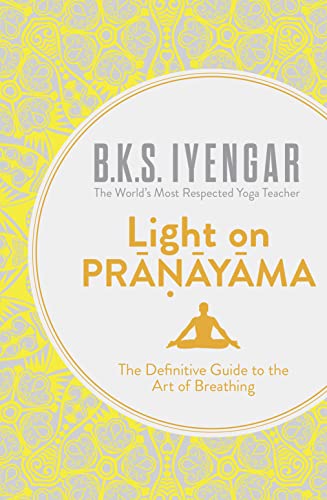
Light on Pranayama: The Definitive Guide to the Art of Breathing: Iyengar, B.K.S.
In ‘Light on Pranayama’, he <strong>establishes the same definitive level of authority on the art of breathing</strong>.For the serious yoga practitioner, the study of Pranayama is an essential.
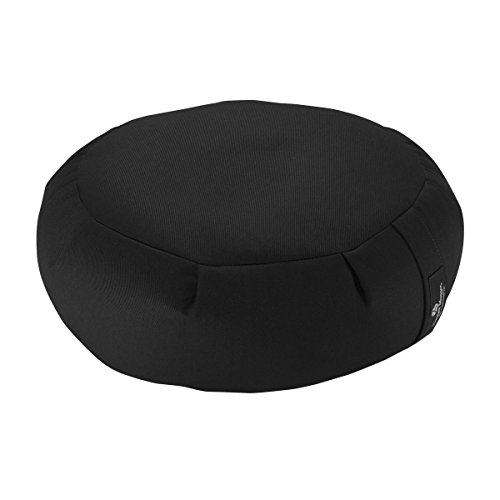
Hugger Mugger Zafu Meditation Cushion (Black) : Yoga Blocks
Celebrate the Journey! ... This traditional round meditation cushion is <strong>filled with organic buckwheat hulls that can be removed as needed for easy height adjustments</strong>. The round Zafu .

RESPeRATE Ultra Blood Pressure Lowering Device - Doctor Recommended Non-Drug Medical Device - Clinically Proven to Lower Blood Pressure Naturally - Just 15 Minutes a Day
Clinical studies have shown that RESPeRATE delivers significant blood pressure reductions when it is used for 15 minutes at a time, at least four times per week, to attain 40 or more minutes per week
Evidence & Sources
Promising research with growing clinical support from multiple studies
- National Center for Complementary and Integrative Health (NCCIH)
- Journal of Alternative and Complementary Medicine
- Frontiers in Psychiatry
- International Journal of Yoga
- The Journal of Clinical Hypertension
- American Journal of Respiratory and Critical Care Medicine
- Yoga Sutras of Patanjali
- Hatha Yoga Pradipika
This content is for informational purposes only and does not constitute medical advice. Always consult a qualified healthcare provider before starting, stopping, or changing any supplement or medication regimen.