

Platelet-Rich Plasma (PRP) Therapy
Also known as: PRP injections, platelet therapy
Overview
Platelet-Rich Plasma (PRP) therapy is a regenerative treatment that uses a concentrated portion of a person’s own blood—rich in platelets and biologically active proteins—with the goal of supporting tissue repair. After a blood sample is collected, it is processed to separate and concentrate platelets, then injected into a targeted area such as a tendon, ligament, joint, muscle, scalp, or skin. Platelets are best known for their role in blood clotting, but they also release growth factors and signaling molecules that may influence inflammation, cell migration, new blood vessel formation, and tissue remodeling.
PRP has gained attention across sports medicine, orthopedics, dermatology, wound care, dentistry, and aesthetic medicine. It is commonly discussed for conditions such as tendinopathies, osteoarthritis, muscle injuries, hair loss, and post-procedure skin recovery. Interest in PRP reflects a broader shift toward biologic and minimally invasive therapies that aim to work with the body’s repair processes rather than relying only on symptom suppression. At the same time, PRP is not a single uniform product: preparation methods, platelet concentration, white blood cell content, activation techniques, injection protocols, and treatment targets vary widely between studies and clinical settings.
This variability is one reason the evidence base can be difficult to interpret. Research suggests that PRP may offer meaningful benefit in some musculoskeletal conditions—particularly certain chronic tendon disorders and mild-to-moderate knee osteoarthritis—while findings are mixed or less consistent in other uses. Outcomes may depend on the condition being treated, severity, timing, product formulation, and procedural technique. In cosmetic and hair restoration settings, studies indicate potential benefit, but the quality of evidence is often lower and protocols are less standardized.
Because PRP is derived from the patient’s own blood, it is often described as autologous and generally carries lower risk of immune reaction than donor-derived products. Still, it is a medical procedure with limitations and uncertainties. Possible downsides include pain at the injection site, temporary swelling, bleeding, infection risk, cost, and inconsistent results. PRP is best understood as an evolving biologic intervention with promising but condition-specific evidence, rather than a universally effective regenerative solution. As with any procedure, interpretation and use are best guided by qualified healthcare professionals familiar with both the underlying condition and the quality of available evidence.
Medical Perspectives
Two Ways of Seeing Health

Western
scientific · clinical
Western medicine applies science, technology, and clinical experience to treat symptoms through testing, diagnosis, and targeted intervention.

Eastern
traditional · alternative
Eastern medicine focuses on treating the body naturally by applying traditional knowledge practiced for thousands of years, emphasizing balance and whole-person wellness.
Gold Bamboo presents both perspectives side-by-side so you can make informed decisions. We don't advocate for one over the other — your health choices are yours.
Western Medicine Perspective
Western Medicine Perspective
In conventional medicine, PRP is viewed as a biologic therapy intended to enhance healing through concentrated platelets and their released growth factors, including platelet-derived growth factor (PDGF), transforming growth factor-beta (TGF-β), vascular endothelial growth factor (VEGF), and others involved in tissue signaling. The rationale is that delivering these factors to an injured or degenerative area may help shift local biology toward repair. However, Western medicine also emphasizes that PRP is not standardized: leukocyte-rich versus leukocyte-poor PRP, different centrifugation systems, platelet dose, and injection frequency can all influence outcomes. This lack of uniformity has made head-to-head comparisons and broad conclusions challenging.
The strongest conventional evidence has been in selected musculoskeletal applications. Meta-analyses and society discussions suggest that PRP may improve pain and function in some patients with knee osteoarthritis and certain chronic tendinopathies, such as lateral epicondylitis or patellar tendinopathy, though results are not universally consistent. For acute muscle injury, ligament injury, rotator cuff disease, and surgical augmentation, findings are more mixed. In dermatology, studies of androgenetic alopecia suggest PRP may increase hair density or thickness in some patients, but protocols vary considerably. In wound care, oral/maxillofacial procedures, and cosmetic uses, evidence remains heterogeneous and often limited by small study size.
From a safety perspective, PRP is generally considered relatively low risk when prepared and administered appropriately because it uses autologous blood. Reported adverse effects are usually localized and temporary, such as soreness, swelling, bruising, or post-injection discomfort; more serious complications like infection or nerve injury are uncommon but possible with any injection procedure. Conventional clinicians often frame PRP as an adjunctive or selective option whose potential value depends heavily on diagnosis, tissue type, and procedural quality. Consultation with an appropriately licensed healthcare professional is important for determining whether PRP is being discussed within an evidence-supported context for a specific condition.
Eastern & Traditional Perspective
Eastern/Traditional Medicine Perspective
Traditional East Asian medicine does not historically describe PRP in modern laboratory terms, but its clinical intent can be compared with longstanding concepts of supporting the body’s innate capacity to repair damaged tissues. In Traditional Chinese Medicine (TCM), injury and chronic degeneration are often interpreted through patterns involving blood stasis, qi stagnation, and weakness of the Liver and Kidney systems, especially when tendons, bones, and joints are involved. From that perspective, a therapy that concentrates the patient’s own blood-derived healing factors may be seen as conceptually aligned with approaches that “invigorate blood,” restore circulation, and support recovery after trauma or overuse.
In integrative practice, PRP may be discussed alongside traditional modalities such as acupuncture, moxibustion, manual therapies, movement practices, and herbal traditions that have historically been used to address pain, impaired mobility, or slow healing. The traditional emphasis is usually less on isolated tissue pathology and more on the broader terrain in which healing occurs—circulation, constitutional vitality, stress load, recovery capacity, sleep, and digestive function. Ayurveda and naturopathic frameworks may similarly interpret tissue repair through systemic balance, inflammatory tone, and nourishment of deeper tissues rather than focusing only on the injection itself.
It is important to note, however, that PRP is a modern biomedical procedure, not a classical TCM or Ayurvedic therapy. Evidence within traditional medicine literature is therefore mostly indirect or integrative rather than rooted in ancient textual use. An Eastern perspective may offer a useful lens for understanding recovery in holistic terms, but evaluation of PRP’s effectiveness still relies primarily on contemporary clinical research and procedural standards. Integrative care discussions are best handled by qualified practitioners who can bridge traditional frameworks with modern diagnosis and safety considerations.
Supplements & Products
Recommended Products
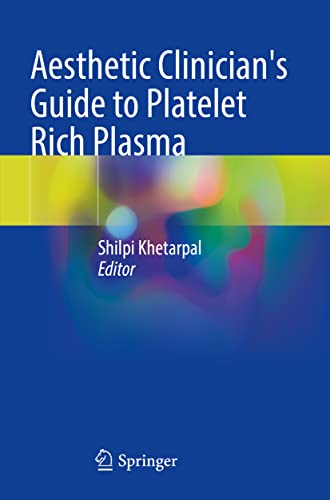
Aesthetic Clinician's Guide to Platelet Rich Plasma
Chapters provide an extensive look ... the various PRP preparation systems and how to calculate dosing. <strong>Aesthetic Clinician's Guide to Platelet Rich Plasma</strong> is written especially
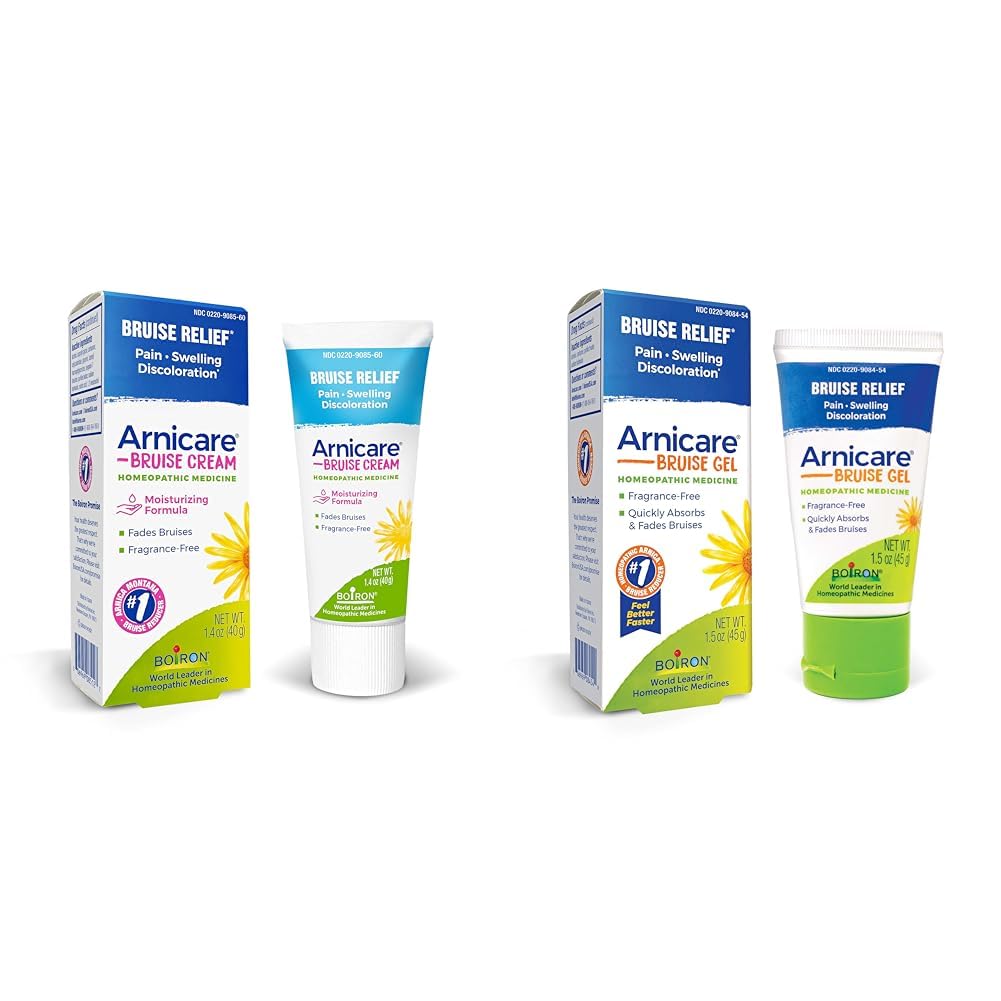
Boiron Arnicare Bruise Gel for Relief of Pain, Inflammation or Swelling, Soreness, and Discoloration - Non-greasy and Fragrance-Free - 1.5 oz
Arnicare Bruise 1. 5 oz GelUses<strong>Reduces pain, swelling and discoloration from bruises</strong>Active IngredientsArnica montana 1X HPUS-7% Trauma, muscle pain & stiffness, swelling from inju

Vital Proteins Collagen Peptides Powder Advanced with Hyaluronic Acid & Vitamin C, 20oz Collagen Protein, Unflavored, 27 Servings
SUPPORTS COLLAGEN PRODUCTION: With 100% daily value of Vitamin C, this Vital Proteins Collagen Peptides Advanced Powder <strong>helps promote collagen production which is important for maintaining hea
Evidence & Sources
Promising research with growing clinical support from multiple studies
- American Academy of Orthopaedic Surgeons (AAOS)
- National Institutes of Health (NIH)
- National Center for Complementary and Integrative Health (NCCIH)
- American Journal of Sports Medicine
- Arthroscopy
- British Journal of Sports Medicine
- JAMA Network Open
- Sports Medicine
- International Society for Medical Shockwave Treatment / sports medicine consensus literature
- Cochrane Reviews
This content is for informational purposes only and does not constitute medical advice. Always consult a qualified healthcare provider before starting, stopping, or changing any supplement or medication regimen.