

Phosphatidylcholine IV Therapy
Also known as: PC IV, Phosphatidyl Choline IV, Cell Membrane IV
Overview
Phosphatidylcholine (PC) IV therapy refers to the intravenous administration of phosphatidylcholine, a phospholipid that is a major structural component of human cell membranes and lipoproteins. In integrative and functional medicine settings, it is often discussed in relation to cell membrane integrity, bile flow, liver support, neurologic health, and toxin processing. Interest in this therapy is especially common in conversations about mold-related illness, chemical exposures, chronic inflammatory states, and “membrane repair” protocols, although the terminology and rationale used in these settings are not always standardized across medical disciplines.
Phosphatidylcholine occurs naturally in foods and in the body, where it contributes to membrane fluidity, signaling, lipid transport, and the formation of very-low-density lipoproteins and bile constituents. Oral phosphatidylcholine and related compounds such as lecithin have been studied more extensively than intravenous preparations. IV use represents a more specialized route intended to bypass digestion and deliver phospholipids directly into circulation, but the exact pharmacokinetics, tissue distribution, and ideal clinical indications remain incompletely defined in mainstream literature.
Supporters of PC IV therapy generally describe it as part of broader protocols for hepatic support, neurologic recovery, detoxification, and inflammatory modulation. However, these proposed uses vary widely, and the concept of “detoxification” in integrative practice may not map neatly onto conventional toxicology or hepatology frameworks. Research suggests phosphatidylcholine has biologic relevance in liver function, lipid metabolism, and membrane biology, yet high-quality clinical evidence for intravenous PC as a standalone treatment for mold illness, neurotoxin recovery, or generalized detoxification remains limited.
As with other IV therapies, the clinical context matters. Potential considerations include product quality, formulation, infusion reactions, vascular irritation, infection risk, allergy concerns, and the possibility of adverse effects related to lipid metabolism or contaminants. Because protocols differ substantially among clinics, discussions of PC IV therapy are best interpreted cautiously and in consultation with qualified healthcare professionals familiar with both the patient’s medical history and the evidence base.
Medical Perspectives
Two Ways of Seeing Health

Western
scientific · clinical
Western medicine applies science, technology, and clinical experience to treat symptoms through testing, diagnosis, and targeted intervention.

Eastern
traditional · alternative
Eastern medicine focuses on treating the body naturally by applying traditional knowledge practiced for thousands of years, emphasizing balance and whole-person wellness.
Gold Bamboo presents both perspectives side-by-side so you can make informed decisions. We don't advocate for one over the other — your health choices are yours.
Western Medicine Perspective
Western Medicine Perspective
From a conventional biomedical standpoint, phosphatidylcholine is understood primarily through its role in cell membrane structure, lipoprotein assembly, surfactant biology, and hepatic lipid handling. It is especially relevant to liver physiology because phosphatidylcholine contributes to bile composition and the export of triglycerides from the liver. Research in hepatology has examined phosphatidylcholine-containing compounds and related phospholipids in conditions such as nonalcoholic fatty liver disease, alcoholic liver injury, and drug- or toxin-associated hepatic stress, but findings have been mixed and are often based on oral or mixed-phospholipid formulations rather than IV therapy specifically.
Within conventional medicine, intravenous phosphatidylcholine is not a standard first-line therapy for mold illness, “neurotoxin recovery,” or nonspecific detoxification. Mainstream toxicology and infectious disease frameworks generally do not recognize these as established indications for PC infusion. While there is legitimate scientific interest in membrane lipid biology, oxidative stress, neuroinflammation, and cholinergic pathways, studies directly evaluating IV phosphatidylcholine for these integrative indications are sparse. Existing evidence more often consists of small studies, extrapolation from oral phospholipid data, mechanistic reasoning, and clinician-reported experience.
Safety is an important part of the western assessment. As an IV-administered product, phosphatidylcholine therapy may carry general infusion-related risks such as phlebitis, infection, hypersensitivity reactions, dosing variability, and complications from compounding or administration technique. In some contexts, phosphatidylcholine has also been discussed in the literature related to lipid metabolism and trimethylamine-N-oxide (TMAO) pathways, though the relevance of these findings to IV use and short-term therapeutic administration is not fully established. Conventional clinicians typically emphasize the need to distinguish biological plausibility from demonstrated clinical benefit.
Overall, western medicine views phosphatidylcholine as a biologically important molecule with plausible therapeutic roles, especially in liver and membrane-related physiology, but considers IV phosphatidylcholine therapy to be insufficiently validated for many of the broader claims made in integrative practice. Careful patient selection, informed consent, and review of alternative explanations for symptoms are generally seen as essential.
Eastern & Traditional Perspective
Eastern/Traditional Medicine Perspective
Traditional East Asian medicine does not historically describe phosphatidylcholine IV therapy as a classical treatment, since it is a modern biochemical intervention rather than a traditional herbal, dietary, or acupuncture-based therapy. However, practitioners working in integrative settings may interpret its use through functional patterns such as Liver qi stagnation, Dampness, Phlegm accumulation, toxin burden, or deficiency affecting the Shen and nervous system. In this framework, symptoms associated with environmental sensitivity, fatigue, brain fog, or recovery after prolonged illness may be understood less as isolated biochemical defects and more as systemic imbalance involving digestion, detoxification, circulation, and resilience.
From a traditional Chinese medicine (TCM) perspective, the liver is often conceptualized in terms broader than the biomedical organ alone, encompassing regulation of flow, emotions, and internal harmony. Thus, a modern therapy that is said to support bile flow, membranes, or hepatic processing may be viewed by some integrative practitioners as complementary to efforts aimed at supporting Liver function, transforming Dampness, and clearing Heat or turbidity. That said, these interpretations are modern analogies rather than classical evidence for IV phosphatidylcholine itself.
In Ayurveda and naturopathic traditions, the discussion may center on supporting the body’s inherent capacity for balance and elimination. Practitioners may connect phosphatidylcholine with themes such as cellular nourishment, fat metabolism, liver support, and nervous system restoration, particularly in individuals with depletion, toxic burden, or impaired resilience. Naturopathic models may describe phosphatidylcholine as part of a broader “terrain support” strategy rather than as a singular remedy. Research on these traditional interpretations is limited, and much of the rationale remains experience-based and theoretical rather than grounded in large controlled trials.
Across traditional and integrative systems, phosphatidylcholine IV therapy is generally seen less as a standalone answer and more as one element within a broader picture of diet, stress regulation, digestive function, environmental exposures, and constitutional health. Balanced discussion is important because the language of “detoxification” in traditional and naturopathic settings may differ substantially from the definitions used in conventional medicine and toxicology.
Supplements & Products
Recommended Products

Toxic, 2nd Edition: Heal Your Body from Mold Toxicity, Lyme Disease, Multiple Chemical Sensitivities, and Chronic Environmental Illness: Nathan, Neil
Neil Nathan <strong>delves deeper into the harmful impact of chronic inflammation in driving disease and presents the latest information that can help both doctors and patients achieve faster and more
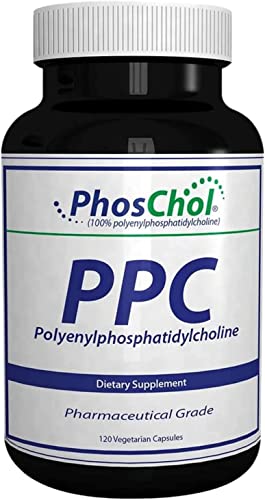
Nutrasal PhosChol PPC Polyenyl PhosphatidylCholine Choline Supplement 900mg 100 Gelatin Capsules
PhosChol delivers 600mg of purified PPC per softgel capsule and <strong>may help to provide quality nutrition necessary that are essential to the building blocks for cellular membrane, repair, regener
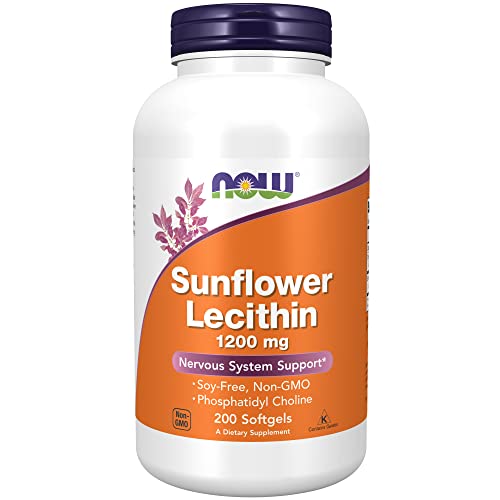
NOW Supplements, Sunflower Lecithin 1200 mg with Phosphatidyl Choline, 200 Softgels
Lecithin in the diet aids in emulsifying fats, enabling them to be dispersed in water; and as a choline-containing phospholipid, its choline is easily absorbed and utilized by the body.* NOW® Sunflowe
Evidence & Sources
Early-stage research, mostly preclinical or preliminary human studies
- National Institutes of Health (NIH) Office of Dietary Supplements
- National Center for Complementary and Integrative Health (NCCIH)
- World Health Organization (WHO)
- Journal of Hepatology
- Hepatology
- Biochimica et Biophysica Acta (BBA)
- Nutrients
- The American Journal of Clinical Nutrition
This content is for informational purposes only and does not constitute medical advice. Always consult a qualified healthcare provider before starting, stopping, or changing any supplement or medication regimen.