

PEMF Therapy
Also known as: pulsed energy therapy, PEMF treatment
PEMF Therapy Overview
Pulsed electromagnetic field (PEMF) therapy refers to the use of low-frequency, time-varying electromagnetic fields intended to influence biological processes. Devices used for PEMF range from clinically regulated systems used in orthopedic settings to consumer wellness products marketed for pain, recovery, sleep, or general vitality. The central idea is that pulsed electromagnetic signals may interact with tissues at the cellular level, potentially affecting ion exchange, signaling pathways, circulation, inflammation, and tissue repair. PEMF is most commonly discussed in relation to musculoskeletal pain, bone healing, soft-tissue recovery, and inflammation-related symptoms.
In conventional healthcare, PEMF has a more established role in a limited number of applications—particularly certain bone-healing indications—while broader wellness claims remain less clearly supported. Research on PEMF spans orthopedics, rehabilitation medicine, sports medicine, and pain management, but the quality of evidence varies considerably depending on the condition, device parameters, treatment duration, and study design. This variability is important because PEMF is not one single intervention: frequency, intensity, waveform, session length, and treatment site can differ widely across studies and commercial products.
Interest in PEMF therapy has grown because it is generally presented as noninvasive and is often explored by people seeking complementary approaches for chronic pain, post-injury recovery, osteoarthritis symptoms, or delayed tissue healing. At the same time, the field is complicated by inconsistent terminology, heterogeneous devices, and marketing that may outpace the science. Research suggests some PEMF applications may help reduce pain or support healing in selected contexts, but outcomes are not uniformly positive, and findings are often modest rather than dramatic.
From a balanced health perspective, PEMF is best understood as an umbrella category of bioelectromagnetic interventions with condition-specific evidence rather than a universal remedy. For individuals considering PEMF, the most relevant questions usually involve the specific condition being addressed, the type of device used, the quality of the supporting evidence, and whether use is being considered within a broader care plan discussed with an appropriate healthcare professional.
Medical Perspectives
Two Ways of Seeing Health

Western
scientific · clinical
Western medicine applies science, technology, and clinical experience to treat symptoms through testing, diagnosis, and targeted intervention.

Eastern
traditional · alternative
Eastern medicine focuses on treating the body naturally by applying traditional knowledge practiced for thousands of years, emphasizing balance and whole-person wellness.
Gold Bamboo presents both perspectives side-by-side so you can make informed decisions. We don't advocate for one over the other — your health choices are yours.
Western Medicine Perspective
Western / Conventional Medicine Perspective
From a western medical perspective, PEMF is studied through biophysics, cellular signaling, and rehabilitation science. Proposed mechanisms include effects on calcium channels, nitric oxide signaling, inflammatory mediators, microcirculation, and gene expression involved in tissue repair. In orthopedics, electromagnetic bone stimulation has been investigated and used for situations such as delayed union or nonunion fractures, where the goal is to encourage bone remodeling and healing. This is one of the better-known medical uses of electromagnetic stimulation, although clinical protocols and regulatory indications vary by country and device.
For pain and inflammation, studies have examined PEMF in osteoarthritis, low back pain, neck pain, postoperative recovery, tendinopathies, and other musculoskeletal conditions. Some systematic reviews and randomized trials suggest short-term improvements in pain, stiffness, or function in selected groups, especially in knee osteoarthritis and certain postoperative or rehabilitation settings. However, study quality is mixed, sample sizes are often small, and device settings differ substantially across trials. As a result, conventional medicine generally views PEMF as potentially helpful in specific contexts, but not as a first-line or universally established treatment across all pain conditions.
Safety is usually described as favorable when PEMF is used appropriately, but clinical caution remains important. Contraindications or precautionary situations may include implanted electronic devices such as pacemakers, pregnancy, active malignancy concerns in some contexts, or use near specialized medical hardware, depending on the device and setting. In conventional care, PEMF is typically framed as an adjunctive modality rather than a standalone solution, and decisions about its use are ideally informed by diagnosis, severity of symptoms, and the broader treatment picture discussed with a qualified clinician.
Eastern & Traditional Perspective
Eastern / Traditional Medicine Perspective
In traditional and integrative healing systems, PEMF is not a classical therapy in the historical sense, but it is often interpreted through concepts that overlap with longstanding ideas about the body’s energetic regulation. In Traditional Chinese Medicine (TCM), symptoms such as pain, stiffness, and slow recovery are commonly viewed in terms of disrupted flow of Qi and Blood, sometimes involving patterns associated with stagnation, trauma, cold, dampness, or underlying deficiency. Within an integrative TCM framework, PEMF may be described as a modern energetic modality that could support circulation, ease stagnation, and complement therapies aimed at restoring functional balance.
In Ayurveda and naturopathic frameworks, PEMF is sometimes discussed as a tool intended to support the body’s self-regulatory processes rather than target disease in a pharmaceutical way. Practitioners may relate its effects to restoration of physiologic balance, recovery capacity, stress resilience, or healthy tissue function. These interpretations are largely theoretical or tradition-informed adaptations of modern technology rather than classical textual uses. Because of this, claims in traditional medicine contexts tend to be broader and more holistic than those used in conventional research.
Many integrative practitioners place PEMF alongside other noninvasive supportive approaches such as acupuncture, manual therapies, breath practices, movement therapies, hydrotherapy, or meditation-based stress reduction. From this perspective, the value of PEMF is often considered in terms of the whole-person experience—pain burden, sleep quality, mobility, stress load, and perceived vitality. Still, traditional systems generally emphasize individualized assessment, and responsible integrative use involves recognizing that modern PEMF devices are not direct equivalents of ancient healing methods. Consultation with appropriately trained healthcare or integrative medicine professionals is often considered important, especially for people with complex medical histories or implanted devices.
Supplements & Products
Recommended Products

Power Tools for Health: How pulsed magnetic fields (PEMFs) help you: Msc MD, William Pawluk, Layne, Caitlin
William Pawluk and Caitlin Layne's Power Tools for Health is<strong>an exhaustively researched overview of pulsed electromagnetic field (PEMF)therapy</strong>. It balances its ideological argumen
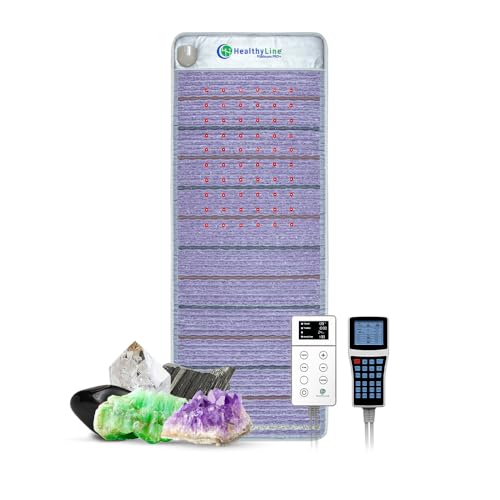
HealthyLine Platinum Far Infrared Heating Pad - Full Body Mat for Back Pain - Natural Crystal Gemstones - Auto Shut Off - Negative Ions Rejuvenating Photon Lights - 74" x 28"
NATURALLY RELIEVE PAIN: This inframat pro heating pad will <strong>provide you 5 natural therapies that promote muscle relaxation, reduce pain, enhance joint flexibility and circulation, and facilitat

Actipatch All-in-One, Back Knee Muscle & Joint Therapy Device.
LUMINAS Relief Patch - Water-Resistant Adhesive, Electroceutical Relief - Versatile Daily Comfort, Long Lasting - Neck, Joints, Back, Knee, Shins, Bumps - 20 Pack (Large Tan Patches) ... Brief content
Evidence & Sources
Promising research with growing clinical support from multiple studies
- National Center for Complementary and Integrative Health (NCCIH)
- U.S. Food and Drug Administration (FDA) materials on bone growth stimulators
- Cochrane Database of Systematic Reviews
- The Journal of Orthopaedic Research
- Bioelectromagnetics
- Osteoarthritis and Cartilage
- Journal of Rehabilitation Medicine
- Clinical Orthopaedics and Related Research
This content is for informational purposes only and does not constitute medical advice. Always consult a qualified healthcare provider before starting, stopping, or changing any supplement or medication regimen.