

Ozone Therapy
Also known as: ozone injections, O3 therapy
Overview
Ozone therapy refers to a group of medical and complementary practices that use ozone gas (O3)—a highly reactive form of oxygen—in an effort to influence healing, circulation, immune activity, or tissue oxygenation. Depending on the setting, it may be administered through techniques such as autohemotherapy (mixing a patient’s blood with ozone and returning it), topical ozone application, ozonated oils or water, or rectal insufflation. It is promoted in some integrative and alternative medicine circles for wound support, pain conditions, infections, circulatory concerns, and general wellness, although its uses and legal status vary substantially by country.
From a scientific standpoint, ozone is biologically complex. It is a strong oxidizing agent, which means it can damage cells at high concentrations but may also trigger adaptive biochemical responses at controlled doses. Researchers have proposed that ozone therapy may influence oxidative stress pathways, inflammatory signaling, local blood flow, and antimicrobial activity. This dual nature is central to the debate: the same chemical reactivity that may have therapeutic rationale in tightly controlled applications is also the basis for important safety concerns.
Interest in ozone therapy has persisted for decades, particularly in parts of Europe, Latin America, and among integrative practitioners. The strongest discussions in the literature tend to focus on adjunctive use, especially for chronic wounds, musculoskeletal pain, and certain dental or local applications. However, major conventional medical bodies have generally not recognized ozone therapy as a standard treatment for most systemic diseases, and the quality of evidence remains uneven across indications.
A balanced view is important. Research suggests that some localized or procedure-specific uses may show benefit in selected contexts, but evidence is not uniform, methods are not standardized, and safety depends heavily on route, dose, and practitioner expertise. In particular, inhalation of ozone is known to be harmful to the lungs. Anyone exploring this therapy typically benefits from discussion with a qualified healthcare professional, especially when chronic illness, infection, cardiovascular disease, or cancer is involved.
Medical Perspectives
Two Ways of Seeing Health

Western
scientific · clinical
Western medicine applies science, technology, and clinical experience to treat symptoms through testing, diagnosis, and targeted intervention.

Eastern
traditional · alternative
Eastern medicine focuses on treating the body naturally by applying traditional knowledge practiced for thousands of years, emphasizing balance and whole-person wellness.
Gold Bamboo presents both perspectives side-by-side so you can make informed decisions. We don't advocate for one over the other — your health choices are yours.
Western Medicine Perspective
Western Medicine Perspective
In conventional medicine, ozone is best known as an environmental respiratory irritant rather than a routine therapeutic agent. Pulmonary and toxicology research has clearly shown that inhaled ozone can injure airway tissue, worsen asthma, and impair lung function. For this reason, mainstream medical organizations have been cautious, and in the United States the FDA has stated that ozone is a toxic gas with no known useful medical application in specific adjunctive, preventive, or therapy contexts without further evidence and appropriate controls.
That said, western clinical research has examined ozone therapy in narrower settings. Studies and reviews have investigated ozone autohemotherapy, intradiscal ozone for low back pain, treatment support for diabetic foot ulcers or chronic wounds, and dental disinfection applications. Some findings indicate possible improvements in pain scores, wound healing parameters, or microbial reduction. However, many studies are limited by small sample size, inconsistent protocols, variable dosing, lack of blinding, and heterogeneous outcome measures. As a result, evidence is often considered preliminary or condition-specific rather than broadly applicable.
Safety is a major issue in the western framework. Potential adverse effects depend on the route of administration and may include air embolic complications if improperly delivered, vein irritation, oxidative injury, infection risk from invasive procedures, and pulmonary toxicity if inhaled. Conventional risk-benefit analysis therefore emphasizes strict technique, medical oversight, and careful differentiation between topical or blood-based methods versus unsafe exposure routes. Overall, western medicine generally regards ozone therapy as non-standard, investigational, or adjunctive at most for selected indications rather than an established mainstream treatment.
Eastern & Traditional Perspective
Eastern/Traditional Medicine Perspective
Ozone therapy does not originate from classical Traditional Chinese Medicine (TCM), Ayurveda, or most older traditional healing systems. However, in modern integrative practice it is sometimes interpreted through traditional frameworks that emphasize circulation, vitality, detoxification, tissue regeneration, and restoration of internal balance. Practitioners working within these blended models may describe ozone-based approaches as supporting the body’s self-regulatory capacity, improving the terrain in which healing occurs, or helping clear stagnation and inflammation.
In TCM-oriented integrative settings, chronic wounds, pain syndromes, and inflammatory states may be conceptually linked with patterns such as blood stasis, heat, dampness, or impaired qi movement, while ozone-based interventions are framed as a modern tool intended to complement strategies that restore flow and reduce pathological accumulation. In Ayurveda-influenced interpretations, similar conditions may be discussed in terms of ama, impaired agni, or disturbed doshic balance, with ozone viewed less as a traditional remedy and more as a contemporary adjunct thought to support purification or tissue repair.
Naturopathic and integrative medicine communities have shown particular interest in ozone therapy, especially where emphasis is placed on stimulating adaptive responses, supporting immune modulation, and enhancing local healing environments. Even within these circles, however, there is recognition that evidence varies and that the therapy is technique-sensitive. Traditional and integrative perspectives generally place greatest value on individualization, practitioner training, and combining ozone-related methods with broader lifestyle and constitutional assessment, rather than treating it as a standalone answer for complex disease.
Supplements & Products
Recommended Products
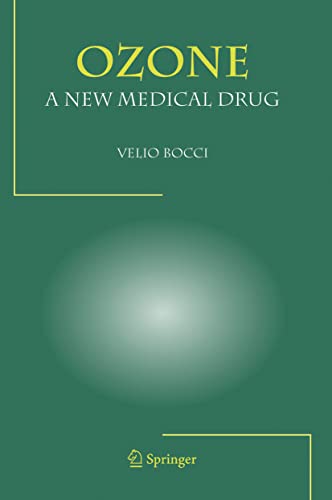
OZONE A New Medical Drug
by Velio Bocci (Author) See all formats and editions · <strong>Oxygen-ozone therapy is a complementary approach less known than homeopathy and acupuncture because it has come of age only three decades

PurO3 Ozonated Olive Oil – Pure, Natural, Organic Skincare for Face & Body – Oxygenated Healing Lotion, Moisturizer & Beauty Cream in a Glass Jar – O3 Therapy Salve, 2 oz
Advanced Cold Ozone Technology: Experience superior results with a fully ozonized oil made using PurO3’s innovative process, which <strong>delivers ultra-pure ozone without heat to preserve the natura
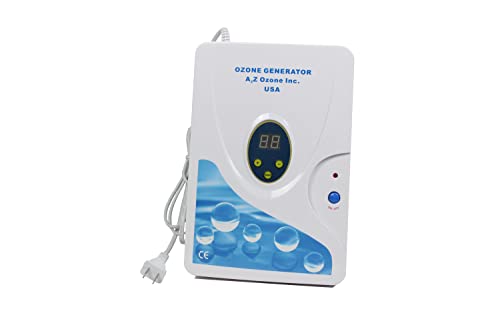
Aqua-6, 120 mg/hour Water Ozone Generator
Ozone Machine Generator, ... using SenSafe ozone check strips to read ozone levels. ... The Aqua-6 is a <strong>600 mg/hour ozone generator</strong>....
Evidence & Sources
Promising research with growing clinical support from multiple studies
- U.S. Food and Drug Administration (FDA)
- National Center for Complementary and Integrative Health (NCCIH)
- World Health Organization (WHO) air quality and ozone health guidance
- Journal of Breath Research
- International Journal of Molecular Sciences
- Mediators of Inflammation
- Pain Physician
- Journal of Cellular Physiology
This content is for informational purposes only and does not constitute medical advice. Always consult a qualified healthcare provider before starting, stopping, or changing any supplement or medication regimen.