

NAD+ IV Therapy
Also known as: NAD therapy, nicotinamide adenine dinucleotide IV
NAD+ IV Therapy Overview
NAD+ IV therapy refers to the intravenous delivery of nicotinamide adenine dinucleotide (NAD+), a coenzyme present in all living cells and central to energy metabolism, mitochondrial function, DNA repair, and cellular signaling. NAD+ levels naturally decline with age and may also be influenced by chronic illness, metabolic stress, inflammation, poor sleep, and substance use. Because of its biologic role, NAD+ has become a prominent focus in longevity medicine, functional medicine, and wellness clinics, where infusions are marketed for energy support, cognitive clarity, recovery, healthy aging, and resilience to stress.
Interest in NAD+ therapy is driven in part by laboratory research showing that NAD+ participates in pathways involving sirtuins, PARPs, and mitochondrial bioenergetics, all of which are relevant to aging and cellular maintenance. In clinical and commercial settings, NAD+ IV therapy is often discussed alongside oral or injectable NAD+ precursors such as nicotinamide riboside (NR) and nicotinamide mononucleotide (NMN). However, the IV approach differs in that it aims to bypass digestion and deliver NAD+ directly into the bloodstream, though the extent to which this changes tissue uptake, long-term biologic effect, or clinical outcomes remains an active area of investigation.
From a public health and evidence standpoint, NAD+ IV therapy occupies a space between basic-science promise and limited clinical validation. Some small studies, case reports, and experiential reports suggest possible roles in addiction recovery support, fatigue, neurologic function, and subjective well-being. At the same time, major gaps remain regarding optimal dosing, pharmacokinetics, durability of effects, safety over repeated use, and which populations—if any—derive meaningful benefit. As with many wellness-oriented infusion therapies, usage has expanded faster than the evidence base.
Potential drawbacks also warrant attention. Intravenous administration introduces issues not present with dietary or oral approaches, including infusion-related discomfort, vein irritation, nausea, chest tightness, flushing, headache, and the general procedural risks of IV therapy. In addition, product quality, clinic protocols, and practitioner oversight may vary substantially across settings. For these reasons, discussions of NAD+ IV therapy are best grounded in both biologic plausibility and an honest appraisal of the current evidence, with individualized evaluation by qualified healthcare professionals when it is being considered in the context of fatigue, cognitive symptoms, aging concerns, or substance-use recovery.
Medical Perspectives
Two Ways of Seeing Health

Western
scientific · clinical
Western medicine applies science, technology, and clinical experience to treat symptoms through testing, diagnosis, and targeted intervention.

Eastern
traditional · alternative
Eastern medicine focuses on treating the body naturally by applying traditional knowledge practiced for thousands of years, emphasizing balance and whole-person wellness.
Gold Bamboo presents both perspectives side-by-side so you can make informed decisions. We don't advocate for one over the other — your health choices are yours.
Western Medicine Perspective
Western Medicine Perspective
In conventional medicine, NAD+ is recognized as a fundamental metabolic cofactor rather than an established intravenous treatment for anti-aging or general vitality. Researchers study NAD+ because it is involved in redox reactions, ATP production, mitochondrial activity, DNA repair enzymes, and cell-stress response pathways. This has led to significant scientific interest in whether restoring NAD+ availability could influence age-related decline, neurodegeneration, metabolic dysfunction, or recovery from physiologic stress. Most of this enthusiasm, however, comes from preclinical models and studies of NAD+ biology, not from large, high-quality randomized trials of IV NAD+ itself.
Clinically, the strongest niche of interest has historically been in addiction medicine and withdrawal support, where NAD+ infusions have been explored in small observational studies and older reports. Some publications describe improvements in cravings, mood, or withdrawal symptoms, but these studies are generally limited by small sample sizes, lack of blinding, absence of robust control groups, and heterogeneous protocols. Outside addiction settings, evidence for benefits in fatigue, brain fog, athletic recovery, or anti-aging remains preliminary. Mainstream medical organizations have not adopted NAD+ IV therapy as standard care for these indications.
Safety is another key issue from a conventional standpoint. While NAD+ itself is a naturally occurring molecule, route of administration matters. Rapid infusion may be associated with unpleasant symptoms such as chest pressure, abdominal cramping, nausea, headache, flushing, or lightheadedness, and slower infusions are often used in practice to improve tolerability. Standard IV-related risks—such as phlebitis, infection, infiltration, and complications related to underlying medical conditions—also apply. Because compounded infusion products and clinic practices may differ, western medicine emphasizes the importance of medical screening, monitoring, and cautious interpretation of benefit claims.
Overall, the western view is that NAD+ IV therapy is biologically interesting but not yet well established as an evidence-based treatment for anti-aging, energy enhancement, or routine wellness use. Research continues to examine NAD+ metabolism and precursor supplementation, but the clinical value of IV NAD+ remains uncertain. Healthcare providers may therefore frame it as an investigational or adjunctive intervention rather than a validated mainstream therapy.
Eastern & Traditional Perspective
Eastern and Traditional Medicine Perspective
Traditional systems such as Traditional Chinese Medicine (TCM), Ayurveda, and naturopathy do not historically describe NAD+ as a classical therapeutic substance. Instead, its modern use is often interpreted through broader traditional concepts related to vitality, resilience, aging, and recovery. In integrative settings, NAD+ IV therapy may be viewed as a contemporary biochemical tool that overlaps conceptually with longstanding goals in traditional medicine: supporting energy production, restoring balance after depletion, and promoting healthy aging.
In TCM, symptoms that lead people to seek NAD+ therapy—such as fatigue, reduced stamina, poor concentration, burnout, or diminished recovery—might be understood through patterns involving Qi deficiency, Kidney essence depletion, Spleen deficiency, or disturbance of Shen. From this lens, an infusion is not considered a traditional treatment in itself, but some integrative practitioners may regard it as a supportive measure within a broader strategy aimed at replenishment and regulation. Classical TCM approaches would more commonly emphasize pattern differentiation and individualized care using acupuncture, herbs, food therapy, sleep regulation, and stress reduction.
In Ayurveda, similar concerns may be interpreted in terms of diminished ojas, impaired agni, excess stress burden, or age-related imbalance in doshas, especially Vata-associated depletion. NAD+ IV therapy is not part of classical Ayurvedic practice, yet modern integrative clinicians may discuss it as a possible adjunct for individuals experiencing exhaustion or physiologic strain, while still placing primary emphasis on digestion, restoration, circadian rhythm, nourishment, and constitutional balance. Naturopathic and functional frameworks often make a similar connection, viewing NAD+ as relevant to mitochondrial support and cellular repair, but typically within a larger picture that includes lifestyle, nutrient status, toxic burden, and recovery capacity.
Across eastern and traditional perspectives, the key distinction is that NAD+ IV therapy is modern and integrative rather than traditional. It may be incorporated conceptually into whole-person care models, but it does not replace the individualized diagnostic frameworks central to these systems. Practitioners in these traditions often emphasize that energy, aging, and resilience are multifactorial and not reducible to a single infusion-based intervention.
Supplements & Products
Recommended Products

Lifespan: Why We Age―and Why We Don't Have To: Sinclair, David, LaPlante, Matthew D.
But what if everything we’ve ... Dr. David Sinclair, leading world authority on genetics and longevity, <strong>reveals a bold new theory for why we age</strong>....
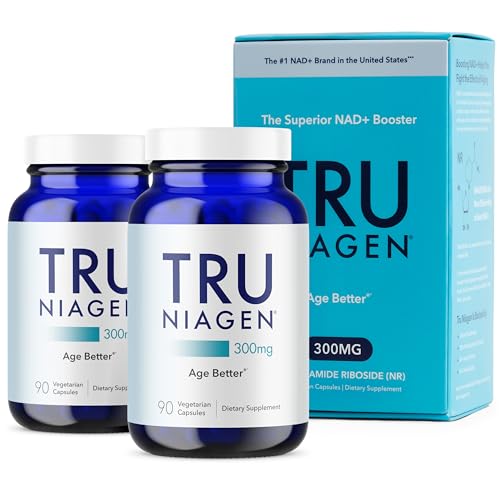
TRU NIAGEN Patented NAD Supplement for Brain Function, Anti Aging & Cell Regeneration, 300mg Niagen, 30 Servings | Supports Cellular Energy, Muscle | Nicotinamide Riboside (NR) Take 1 Daily | 1 Bottle
Buy TRU NIAGEN Patented NAD Supplement for Brain Function, Anti Aging & Cell Regeneration, 300mg Niagen, 30 Servings | Supports Cellular Energy, Muscle | Nicotinamide Riboside (NR) Take 1 Daily |
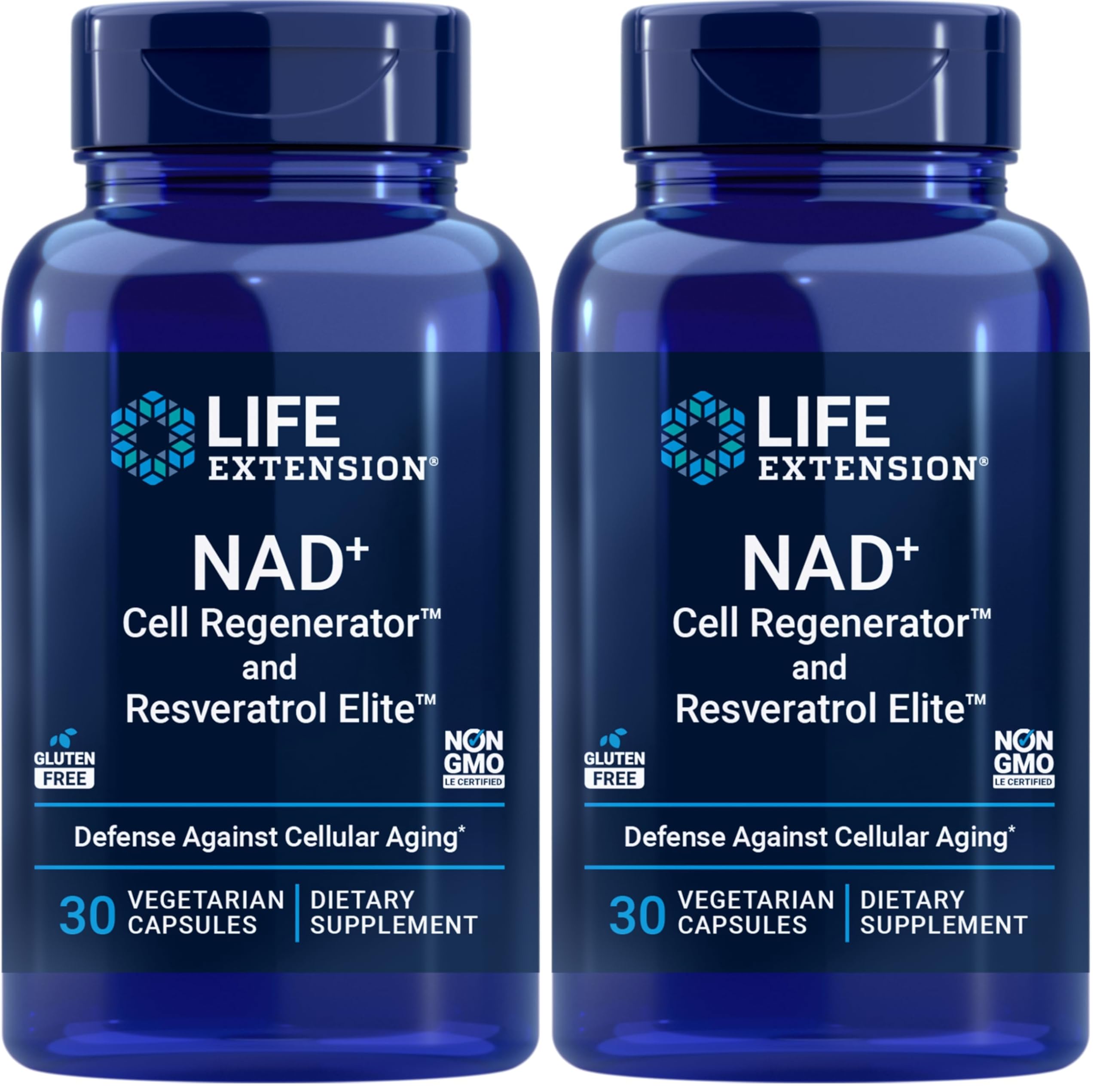
Life Extension NAD+ Cell Regenerator™ and Resveratrol Elite™*, nicotinamide riboside, Trans-resveratrol, quercetin, Fisetin, Heart Health, Healthy Aging, Vegetarian, Non-GMO, Gluten Free, 30 Capsules
TRU NIAGEN Patented NAD Supplement for Brain Function, Anti Aging & Cell Regeneration, 300mg Niagen, 30 Servings | Supports Cellular Energy, Muscle | Nicotinamide Riboside (NR) Take 1 Daily | 1 Bo
Evidence & Sources
Early-stage research, mostly preclinical or preliminary human studies
- National Institutes of Health Office of Dietary Supplements
- National Center for Complementary and Integrative Health (NCCIH)
- Cell Metabolism
- Nature Reviews Molecular Cell Biology
- Science
- Trends in Cell Biology
- Aging Cell
- Frontiers in Aging
- The Journal of Clinical Investigation
This content is for informational purposes only and does not constitute medical advice. Always consult a qualified healthcare provider before starting, stopping, or changing any supplement or medication regimen.