

Myers' Cocktail
Also known as: vitamin drip, nutrient infusion
Overview
Myers' Cocktail is an intravenous (IV) nutrient infusion that typically contains a blend of magnesium, calcium, B vitamins (especially B12 and B-complex), and vitamin C. The formula is commonly attributed to Dr. John Myers, a Maryland physician who used IV micronutrient therapy in the mid-20th century; the modern version was later popularized by other integrative medicine practitioners. It is often marketed in wellness settings as a way to support energy, hydration, recovery, immune function, and general vitality, though formulations and dosing can vary substantially between clinics.
Interest in Myers' Cocktail reflects a broader trend toward nutrient-based and integrative therapies. Supporters describe it as a method of delivering vitamins and minerals directly into the bloodstream, bypassing the digestive tract and theoretically achieving higher short-term blood concentrations than oral supplements. In integrative care, it has also been discussed for symptom support in conditions such as fatigue, migraines, fibromyalgia, asthma, and recovery from intense physical stress. However, its use spans a wide spectrum—from medically supervised complementary care to consumer wellness services—so the context of administration matters.
From a scientific standpoint, the central question is whether IV delivery of these nutrients offers meaningful clinical benefit beyond oral intake, hydration, placebo effects, or correction of an existing deficiency. Research on Myers' Cocktail specifically remains limited, with much of the literature consisting of case reports, small observational studies, and a few pilot trials rather than large, definitive randomized studies. This means that while some patients report symptom improvement, the overall evidence base is still evolving and does not support broad claims for all-purpose wellness enhancement.
Safety is also an important part of the discussion. Although the ingredients are familiar nutrients, IV administration introduces distinct considerations, including infection risk, vein irritation, fluid overload, electrolyte imbalance, and rare but serious complications depending on the formulation and the person's medical status. Conventional and integrative clinicians alike generally emphasize that IV nutrient therapy is not equivalent to routine nutritional support and may warrant professional evaluation, particularly for people with kidney disease, heart disease, pregnancy, or complex medication regimens.
Medical Perspectives
Two Ways of Seeing Health

Western
scientific · clinical
Western medicine applies science, technology, and clinical experience to treat symptoms through testing, diagnosis, and targeted intervention.

Eastern
traditional · alternative
Eastern medicine focuses on treating the body naturally by applying traditional knowledge practiced for thousands of years, emphasizing balance and whole-person wellness.
Gold Bamboo presents both perspectives side-by-side so you can make informed decisions. We don't advocate for one over the other — your health choices are yours.
Western Medicine Perspective
Western Medicine Perspective
In conventional medicine, Myers' Cocktail is viewed as a form of IV micronutrient therapy with limited condition-specific evidence. Western clinicians generally distinguish between treating documented deficiency states—which can be medically necessary and evidence-based—and using IV vitamins for broad wellness or energy enhancement in otherwise stable individuals. For example, IV replacement may be clearly appropriate in selected cases of severe dehydration, malabsorption, certain vitamin deficiencies, or situations where oral intake is not feasible. By contrast, routine use of compounded vitamin infusions for general wellness has not been validated by strong clinical evidence.
Published research suggests that some patients may experience short-term symptom relief, particularly in small studies involving fatigue, fibromyalgia, or quality-of-life outcomes, but the data are mixed and limited by small sample sizes, lack of blinding, heterogeneous formulas, and inconsistent outcome measures. A commonly cited pilot study explored IV micronutrient therapy in fibromyalgia and found some signals of improvement, yet interpretation was constrained by study design and scale. As a result, major medical bodies have not established Myers' Cocktail as a standard treatment for chronic fatigue, immune support, athletic recovery, or generalized low energy.
Conventional safety concerns focus on both the procedure and the ingredients. IV access can lead to bruising, phlebitis, infection, infiltration, or, rarely, more serious complications. Nutrient components may also pose risks in certain populations: magnesium and calcium can affect cardiac and neuromuscular function; vitamin C in high doses may be problematic in some people with kidney disorders or G6PD deficiency; and compounded preparations raise questions about sterility, quality control, and appropriate monitoring. For these reasons, western medicine generally frames Myers' Cocktail as an adjunctive, not first-line, intervention that warrants individualized risk assessment and discussion with a qualified healthcare professional.
Eastern & Traditional Perspective
Eastern/Traditional Medicine Perspective
In traditional East Asian medicine, symptoms such as low energy, poor resilience, frequent illness, headaches, or prolonged recovery are often interpreted through broader functional patterns rather than isolated nutrient levels. These patterns may include Qi deficiency, Blood deficiency, Spleen Qi weakness, Lung Qi weakness, or depletion after stress or illness. From this perspective, a therapy like Myers' Cocktail may be understood less as a named classical treatment and more as a modern supportive intervention aimed at restoring resources when the body appears depleted.
Traditional systems such as Traditional Chinese Medicine (TCM) and Ayurveda have not historically centered IV nutrient infusions, but they do share the principle that vitality depends on adequate nourishment, digestion, assimilation, and balance. TCM often emphasizes strengthening digestive and metabolic function so that nutrients can be transformed into usable energy, while Ayurveda may frame similar issues in relation to agni (digestive fire), tissue nourishment, and states of depletion or imbalance. In naturopathic and integrative traditions, Myers' Cocktail is sometimes incorporated as a complementary strategy when practitioners believe rapid nutrient repletion may support the body's self-regulatory capacity.
At the same time, many traditional frameworks would not view IV nutrient therapy as a complete answer to chronic fatigue or low vitality. Instead, they often place greater emphasis on underlying constitutional patterns, sleep, stress, diet, digestion, breath, and seasonal balance. In that sense, eastern and traditional perspectives may regard Myers' Cocktail as a potentially useful supportive measure in selected contexts, while still prioritizing the broader terrain of health. Because it is a modern intervention rather than a classical traditional therapy, its use is generally interpreted through an integrative lens rather than through ancient textual precedent.
Supplements & Products
Recommended Products

Nutritional Medicine: Alan R. Gaby, M.D.
Jonathan V. Wright, M.D. Nutritional Medicine should be on the desk of every healthcare practitioner." William Manahan, M.D. "This is the single most valuable reference book on natural remed
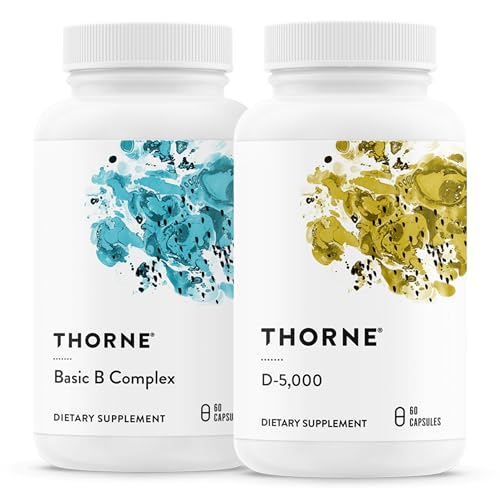
THORNE - Basic B-Complex - Tissue-Ready Vitamin B Complex Supplement with Choline - Supports Cellular Energy Production, Brain Health & Red Blood Cell Formation* - Gluten-Free - 60 Servings
One Capsule Contains: Thiamin (as ... from L-5-Methyltetrahydrofolic Acid, Glucosamine Salt) 667 mcg DFE, <strong>Vitamin B12 (as Methylcobalamin) 400 mcg</strong>, Biotin 400 mcg, Pantothenic Acid (a
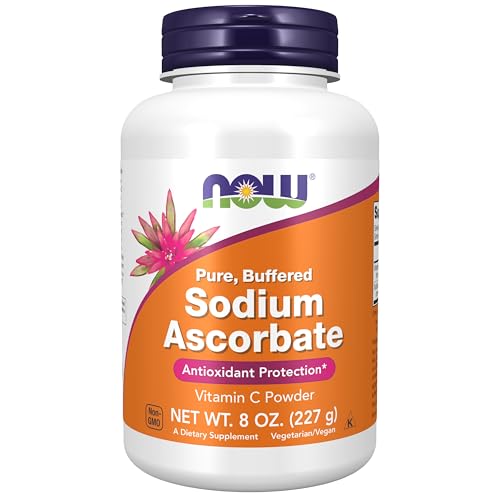
NOW Supplements, Sodium Ascorbate Powder, Buffered, Antioxidant Protection*, 8-Ounce
Consult physician if pregnant/nursing, taking medication, or have a medical condition. Keep out of reach of children. NOW® Sodium Ascorbate Powder is <strong>an inexpensive buffered form of Vitamin C
Evidence & Sources
Early-stage research, mostly preclinical or preliminary human studies
- National Center for Complementary and Integrative Health (NCCIH)
- Memorial Sloan Kettering Cancer Center, About Herbs: Myers' Cocktail
- Alternative Therapies in Health and Medicine
- Journal of Alternative and Complementary Medicine
- U.S. Food and Drug Administration (FDA)
- American Society of Health-System Pharmacists (ASHP)
- StatPearls Publishing, Intravenous Therapy Overview
This content is for informational purposes only and does not constitute medical advice. Always consult a qualified healthcare provider before starting, stopping, or changing any supplement or medication regimen.