

Mold Detox Protocol
Also known as: Mycotoxin Detox, Mold Illness Protocol, CIRS Detox Protocol
Overview
A mold detox protocol is a broad, non-standardized term used to describe strategies intended to reduce exposure to indoor mold, support elimination of mycotoxins, and address symptoms that some individuals associate with water-damaged buildings or mold-contaminated environments. These protocols often include environmental assessment and avoidance, dietary changes, hydration, bowel support, sweating practices, nasal hygiene, nutritional supplementation, and the use of substances commonly called binders. People typically seek information on mold detox in the context of fatigue, brain fog, headaches, sinus congestion, skin symptoms, respiratory irritation, and chronic inflammatory complaints.
From a public health standpoint, mold exposure is a legitimate environmental issue. Indoor dampness and visible mold growth are associated with worsened asthma, upper airway symptoms, cough, wheeze, and other respiratory effects, particularly in susceptible individuals. However, the concept of a generalized "detox protocol" for all mold-related symptoms is more controversial. In conventional medicine, there is strong recognition of mold as a trigger for allergic disease, asthma exacerbation, hypersensitivity reactions, and in rare settings, fungal infection. There is much less consensus around broad claims that mold toxins are a primary explanation for diverse chronic symptoms in all affected patients.
A key distinction is that mold-related illness is not one single diagnosis. Clinical scenarios may include allergic rhinitis, asthma, allergic fungal sinus disease, hypersensitivity pneumonitis, skin irritation, occupational exposure, or illnesses linked to contaminated food sources containing mycotoxins. The first principle across most frameworks is not detoxification itself but identifying and reducing ongoing exposure. If a person remains in a damp or contaminated environment, supportive strategies may have limited effect.
Because "mold detox" is not a standardized medical treatment, approaches vary widely in quality and safety. Some components, such as environmental remediation and symptom-based medical evaluation, are well supported. Others, such as extensive supplement regimens, aggressive fasting, prolonged sauna use, or unregulated detox products, have limited evidence and may carry risks. For this reason, balanced discussions generally emphasize exposure reduction, individualized medical assessment, and careful interpretation of symptoms, particularly because fatigue and brain fog have many possible causes beyond mold.
Medical Perspectives
Two Ways of Seeing Health

Western
scientific · clinical
Western medicine applies science, technology, and clinical experience to treat symptoms through testing, diagnosis, and targeted intervention.

Eastern
traditional · alternative
Eastern medicine focuses on treating the body naturally by applying traditional knowledge practiced for thousands of years, emphasizing balance and whole-person wellness.
Gold Bamboo presents both perspectives side-by-side so you can make informed decisions. We don't advocate for one over the other — your health choices are yours.
Western Medicine Perspective
Western / Conventional Medicine Perspective
Conventional medicine typically begins with exposure history, symptom pattern, physical findings, and differential diagnosis. Clinicians may ask about visible water damage, musty odors, workplace or home exposures, seasonality of symptoms, asthma history, and whether symptoms improve away from a building. The strongest evidence links damp indoor spaces with respiratory and allergic outcomes. Standard evaluation may include assessment for allergic rhinitis, asthma, sinus disease, hypersensitivity pneumonitis, dermatitis, or fungal infection, depending on the presentation. In selected cases, testing may involve pulmonary evaluation, allergy testing, imaging, or laboratory work to rule out other causes of chronic symptoms.
From this perspective, the cornerstone of management is removal or reduction of exposure through professional remediation of water intrusion, cleaning or replacing contaminated materials when appropriate, and improving ventilation and moisture control. Symptom-focused treatment may include conventional care for asthma, allergies, sinus inflammation, or infection when indicated. Mainstream organizations generally do not recognize most commercial "mold detox" programs as established medical protocols, in part because there is limited high-quality evidence for many commonly marketed interventions.
A particularly debated area involves mycotoxin testing and binder-based detox regimens. While mycotoxins are real toxic compounds produced by certain fungi, routine clinical interpretation of urine mycotoxin tests for nonspecific chronic symptoms remains controversial. Similarly, substances such as cholestyramine or other binding agents have been discussed in certain integrative and environmental medicine circles, but robust evidence for broad outpatient use in suspected mold-related chronic illness is limited. Research suggests some binders may interact with bile acids or compounds in the gut, yet their role in generalized mold detox remains insufficiently defined in large clinical trials.
Conventional medicine also stresses safety. Symptoms such as severe shortness of breath, persistent fever, coughing blood, significant weight loss, neurologic changes, or immunocompromised status call for formal medical evaluation rather than self-directed detox efforts. In practice, the western approach is usually exposure control first, diagnosis second, and targeted treatment based on identifiable disease mechanisms rather than a universal detox model.
Eastern & Traditional Perspective
Eastern / Traditional Medicine Perspective
Traditional systems generally do not frame mold illness in terms of modern indoor air toxicology, but many have long described patterns that overlap with symptoms people report after damp-environment exposure. In Traditional Chinese Medicine (TCM), presentations involving heaviness, brain fog, sinus congestion, fatigue, loose stools, and a sense of obstruction are often discussed under patterns related to Dampness, Phlegm, or Damp-Heat, sometimes affecting the Lung, Spleen, and head orifices. The therapeutic concept is not usually "detox" in a biochemical sense, but rather supporting the body's ability to transform dampness, clear turbidity, open the nasal passages, and restore qi movement.
In Ayurveda, similar symptom clusters may be interpreted through imbalances involving Kapha and sometimes Ama, a term often used to describe poorly processed metabolic residue. Chronic sinus congestion, heaviness, sluggish digestion, skin symptoms, and mental dullness may be seen as reflecting excess moisture, stagnation, and impaired digestive/metabolic fire. Traditional approaches may emphasize lightening, clearing, and supporting normal elimination through individualized diet, daily routine, breathing practices, and botanicals selected according to constitution and symptom pattern.
Naturopathic and integrative traditions often bridge environmental medicine with traditional concepts. These approaches may emphasize lowering total toxic burden, supporting liver and gastrointestinal function, maintaining regular bowel elimination, sweating, hydration, and gentle lymphatic or "drainage" strategies. While such language is common in holistic practice, the scientific validation for many drainage-oriented concepts remains limited, and terminology often varies across practitioners.
Importantly, eastern and traditional frameworks are typically pattern-based and individualized, rather than standardized mold detox formulas. Research on acupuncture, breathing practices, and certain herbs suggests possible roles in supporting stress regulation, sinus symptoms, inflammatory balance, and quality of life, but evidence specific to mold-related illness is still emerging. As with conventional care, traditional practitioners generally place importance on the surrounding environment; ongoing exposure to damp, musty spaces is viewed as a barrier to recovery regardless of treatment philosophy.
Supplements & Products
Recommended Products
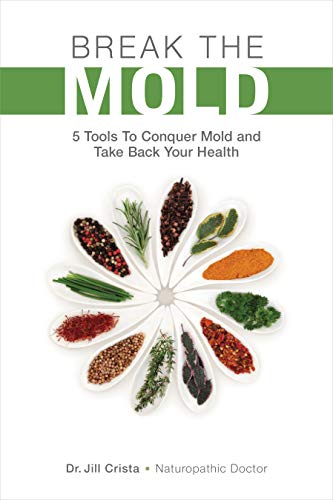
Break the Mold: 5 Tools to Conquer Mold and Take Back Your Health: Crista Dr, Hodgkinson, Kristin
Dr. Jill Crista is a <strong>naturopathic doctor, best-selling author, and internationally recognized educator on mold illness</strong>. She helps people recover their health after exposure to toxic m
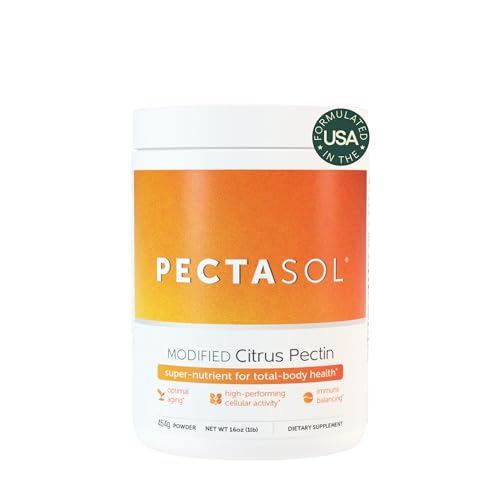
PectaSol Modified Citrus Pectin – 150g Powder – Total-Body Health Supplement to Support The Heart, Immune System, Inflammation Response & Healthy Aging + Maintain Healthy Galectin-3 Levels
PectaSol Modified Citrus Pectin – 90 Capsules – <strong>Total-Body Health Supplement to Support the Heart, Immune System, Inflammation Response & Healthy Aging + Maintain Healthy Galectin-3 Levels

Coway Airmega AP-1512HH(W) True HEPA Purifier with Air Quality Monitoring, Auto, Timer, Filter Indicator, and Eco Mode, 16.8 x 18.3 x 9.7, White
COWAY Air Purifiers for Home Large Room Up to 1,860 ft², Washable Pre-Filter and HEPA Filter for Smoke, Allergies, Pet Dander, Odor, AQI, Smart & Rapid Mode, Timer, 3yr Warranty, Airmega 250 · AP-
Evidence & Sources
Promising research with growing clinical support from multiple studies
- World Health Organization (WHO) Guidelines for Indoor Air Quality: Dampness and Mould
- Centers for Disease Control and Prevention (CDC) - Mold
- National Institute of Environmental Health Sciences (NIEHS)
- National Center for Complementary and Integrative Health (NCCIH)
- Institute of Medicine (IOM), Damp Indoor Spaces and Health
- Journal of Allergy and Clinical Immunology
- Environmental Health Perspectives
- Clinical Infectious Diseases
This content is for informational purposes only and does not constitute medical advice. Always consult a qualified healthcare provider before starting, stopping, or changing any supplement or medication regimen.