

Mineral IV Therapy
Also known as: Mineral Infusion, Electrolyte IV, Micronutrient IV
Mineral IV Therapy
Mineral IV therapy refers to the intravenous administration of minerals such as magnesium, zinc, calcium, potassium, phosphate, or mixed trace elements directly into the bloodstream. In conventional medical settings, this approach is most often used when a mineral deficiency is severe, when rapid correction is needed, or when oral absorption is limited by illness, gastrointestinal disorders, surgery, or critical care needs. In wellness and integrative settings, mineral IVs are also marketed for concerns such as muscle cramping, fatigue, stress support, recovery, immune function, and chronic illness support.
The central appeal of IV delivery is that it bypasses the digestive tract and can raise circulating mineral levels more quickly than oral supplementation. That principle is clinically relevant in specific situations, such as symptomatic hypomagnesemia, severe electrolyte disturbances, refeeding-related deficiencies, or parenteral nutrition support. At the same time, the broader use of mineral IV therapy outside medically defined deficiency states remains more controversial. Symptoms often associated with “depletion” can have many causes, and blood levels do not always reflect total body stores for every mineral.
Minerals play essential roles in nerve conduction, muscle contraction, hydration, enzyme activity, immune function, energy metabolism, and cardiovascular regulation. Because of these wide-ranging functions, low mineral status may contribute to nonspecific symptoms such as weakness, cramps, palpitations, poor appetite, or fatigue. However, both deficiency and excess may be harmful. Intravenous delivery can produce rapid physiologic effects, which is why medical oversight, appropriate screening, and attention to kidney function, medication interactions, and infusion safety are considered important.
From a broader health-content perspective, mineral IV therapy sits at the intersection of hospital medicine, nutrition support, and integrative care. Research strongly supports IV mineral replacement in certain acute and medically indicated settings, but evidence is more mixed for routine wellness use or generalized recovery support in otherwise stable individuals. As a result, mineral IV therapy is best understood not as a single uniform intervention, but as a category that ranges from evidence-based hospital treatment to more experimental or experience-driven integrative practice.
Medical Perspectives
Two Ways of Seeing Health

Western
scientific · clinical
Western medicine applies science, technology, and clinical experience to treat symptoms through testing, diagnosis, and targeted intervention.

Eastern
traditional · alternative
Eastern medicine focuses on treating the body naturally by applying traditional knowledge practiced for thousands of years, emphasizing balance and whole-person wellness.
Gold Bamboo presents both perspectives side-by-side so you can make informed decisions. We don't advocate for one over the other — your health choices are yours.
Western Medicine Perspective
Western Medicine Perspective
In conventional medicine, IV mineral therapy is viewed primarily as a targeted medical intervention rather than a general wellness therapy. Its established uses include treatment of documented deficiencies or urgent abnormalities such as hypomagnesemia, hypokalemia, hypophosphatemia, calcium disorders, and trace element replacement in patients receiving parenteral nutrition. Hospitals also use IV magnesium in well-defined circumstances including preeclampsia/eclampsia and certain cardiac rhythm contexts, while zinc and trace elements may be included in nutrition protocols for patients who cannot meet needs enterally.
Western clinicians typically approach mineral IV therapy through diagnosis, laboratory assessment, and risk stratification. Important considerations include renal function, acid-base balance, hydration status, cardiac status, medication use, and whether symptoms reflect true deficiency, redistribution, inflammation, or another underlying disorder. This is especially relevant because IV minerals can carry risks, including vein irritation, infection, infusion reactions, low blood pressure, cardiac rhythm disturbances, and toxicity from excessive dosing, particularly in people with impaired kidney function. For some minerals, serum testing is imperfect, so interpretation often depends on the broader clinical picture.
The evidence base varies substantially by mineral and indication. For example, IV magnesium is well studied in specific medical scenarios, but evidence for IV magnesium or mixed mineral infusions for nonspecific fatigue, stress, athletic recovery, or chronic symptom syndromes is less definitive. Studies in integrative settings are often small, heterogeneous, or focused on surrogate outcomes rather than long-term clinical benefits. Consequently, conventional medicine generally distinguishes between evidence-supported replacement for documented need and elective infusion use, where benefits may be less certain and safety depends heavily on proper screening and supervision.
Eastern & Traditional Perspective
Eastern and Traditional Medicine Perspective
In Traditional Chinese Medicine (TCM) and related East Asian traditions, mineral-focused IV therapy is not part of the classical materia medica in its modern intravenous form. However, the symptoms that lead people to seek mineral infusions—such as cramping, exhaustion, weakness, palpitations, poor recovery, or susceptibility after chronic illness—may be interpreted through patterns such as Qi deficiency, Blood deficiency, Yin depletion, fluid imbalance, or disharmony affecting the Liver, Spleen, Kidney, or Heart systems. From this perspective, the goal is typically not only replenishment of a biochemical substance, but restoration of systemic balance and resilience.
Within Ayurveda, comparable symptom clusters may be understood in relation to agni (digestive/metabolic capacity), dhatu nourishment, ojas depletion, electrolyte/fluid imbalance, or doshic aggravation, especially Vata disturbance in cases involving cramping, depletion, and nervous system irritability. Traditional systems generally emphasize that depletion can arise from chronic stress, overexertion, inadequate digestion and assimilation, illness, or convalescence. Their classical responses more often involve dietary strengthening, herbal formulations, digestive support, rest, and constitutional therapies rather than intravenous administration.
In naturopathic and integrative medicine, mineral IV therapy is sometimes framed as a method of rapid repletion for patients with poor absorption, high physiologic demand, chronic stress, migraine, muscle tightness, or recovery-related concerns. This interpretation often combines biomedical ideas about nutrient status with traditional concepts of restoring vitality. Even so, many practitioners in these systems also recognize that intravenous therapy is a modern adaptation, not a traditional practice in the historical sense, and that its use ideally depends on individualized assessment, clear rationale, and awareness that the evidence for broad wellness applications is still developing.
Supplements & Products
Recommended Products
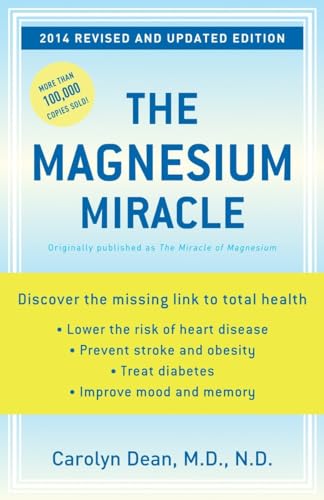
The Magnesium Miracle (Revised and Updated Edition): Carolyn Dean
Inside you will discover • newly ... public perception The Magnesium Miracle, now more than ever, is <strong>the ultimate guide to a mineral that is truly miraculous</strong>....

THORNE - Magnesium Bisglycinate - Powdered Magnesium Formula - Supports Restful Sleep, Muscle Relaxation, Heart Health & Metabolism* - NSF Certified for Sport - Gluten, Dairy & Soy-Free - 60 Servings
THORNE - Magnesium Glycinate - <strong>Supports Restful Sleep, Muscle Relaxation, Heart Health & Metabolism</strong>* - Chelated Magnesium Capsules - Third-Party Certified - Gluten, Dairy & So
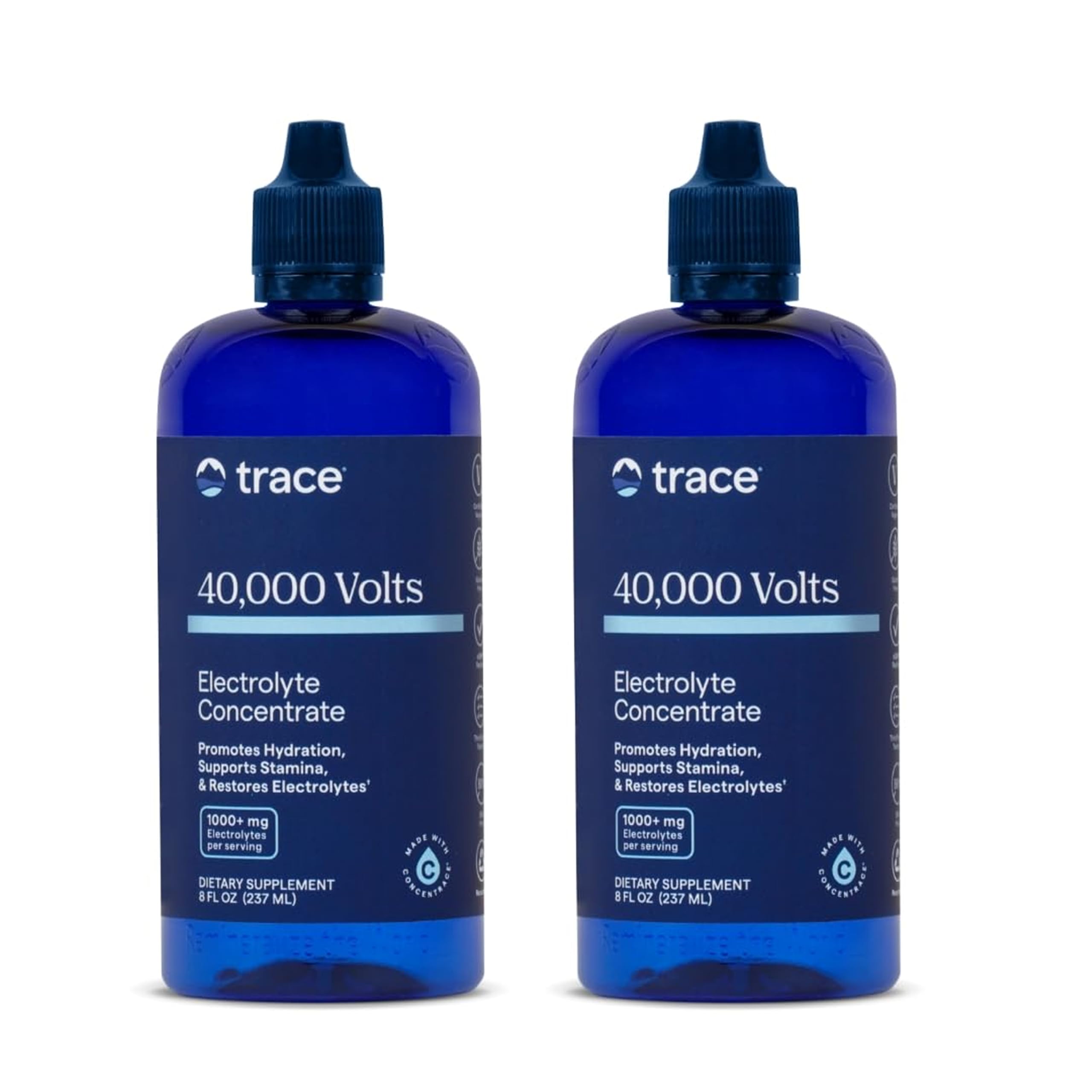
Trace Minerals ConcenTrace Trace Mineral Drops | Supports Energy, Digestion, Bone Health & Hydration, 70+ Ionic Trace Minerals w/Magnesium, Chloride & Potassium | Keto, Vegan & Non-GMO | 96 Servings
The minerals are ionic, which makes them easier to absorb · Available in the Format that Works for You: ConcenTrace is conveniently available in drops, powder, tablets, and capsules to fit your lifest
Evidence & Sources
Promising research with growing clinical support from multiple studies
- National Institutes of Health Office of Dietary Supplements
- National Center for Complementary and Integrative Health (NCCIH)
- American Society for Parenteral and Enteral Nutrition (ASPEN)
- New England Journal of Medicine
- The Lancet
- BMJ
- StatPearls
- World Health Organization (WHO)
This content is for informational purposes only and does not constitute medical advice. Always consult a qualified healthcare provider before starting, stopping, or changing any supplement or medication regimen.