

Mesotherapy
Also known as: Meso Therapy, Microinjection Therapy, Aesthetic Mesotherapy
Overview
Mesotherapy is a procedure in which small amounts of various substances are injected into the skin (intradermal) or just beneath the skin (subcutaneous tissue) using multiple shallow injections. The technique is most often discussed in cosmetic and wellness settings, where it is marketed for concerns such as skin rejuvenation, pigmentation, cellulite, localized fat reduction, and hair support. In some clinical contexts, forms of mesotherapy have also been explored for musculoskeletal pain and other localized symptoms. The term covers a wide range of practices rather than a single standardized treatment, and the exact ingredients can vary substantially by practitioner, region, and intended use.
Historically, mesotherapy is often traced to French physician Michel Pistor, who described local microinjections for pain-related applications in the mid-20th century. Over time, its use expanded beyond pain medicine into aesthetic medicine, where injectable mixtures may include vitamins, amino acids, trace minerals, hyaluronic acid, plant extracts, enzymes, local anesthetics, prescription drugs, or compounds intended to affect circulation or fat metabolism. This breadth helps explain both the public interest and the scientific uncertainty surrounding mesotherapy: the intervention is widely known, but the formulas, techniques, dosing schedules, and treatment goals are often inconsistent across studies and real-world practice.
From a safety standpoint, mesotherapy is generally considered procedure-dependent and formulation-dependent rather than inherently uniform. Reported adverse effects include pain, swelling, bruising, redness, itching, nodules, allergic reactions, hyperpigmentation, scarring, and infection. Case reports and reviews have described more serious complications such as skin necrosis, panniculitis, abscesses, and atypical mycobacterial infections, particularly when sterile technique or product quality is inadequate. Because many mesotherapy cocktails are compounded or customized, questions may arise regarding ingredient sourcing, regulatory oversight, and reproducibility.
In evidence-based health discussions, mesotherapy sits in a mixed and evolving category. Some studies suggest possible benefit in selected settings, especially certain pain-related uses or specific aesthetic indications, but the overall literature is limited by small sample sizes, short follow-up, inconsistent protocols, and variable outcome measures. As a result, mesotherapy is best understood as a broad procedural concept with heterogeneous evidence, rather than a single well-validated therapy. Individuals considering it commonly benefit from reviewing the credentials of the practitioner and discussing risks, alternatives, and expectations with an appropriately qualified healthcare professional.
Medical Perspectives
Two Ways of Seeing Health

Western
scientific · clinical
Western medicine applies science, technology, and clinical experience to treat symptoms through testing, diagnosis, and targeted intervention.

Eastern
traditional · alternative
Eastern medicine focuses on treating the body naturally by applying traditional knowledge practiced for thousands of years, emphasizing balance and whole-person wellness.
Gold Bamboo presents both perspectives side-by-side so you can make informed decisions. We don't advocate for one over the other — your health choices are yours.
Western Medicine Perspective
Western Medicine Perspective
In conventional medicine, mesotherapy is viewed primarily as a localized injection technique rather than a distinct disease-specific therapy. Scientific evaluation focuses on the condition being treated, the specific injected substances, and the quality of the delivery method. This means mesotherapy for hair loss, cellulite, facial rejuvenation, fat reduction, or chronic pain are each assessed differently. Western medicine places particular emphasis on standardization, biologic plausibility, sterility, regulatory status, and controlled trial data. Because many mesotherapy regimens involve mixtures of multiple ingredients, it can be difficult to determine which component is responsible for any observed benefit—or harm.
In aesthetic dermatology and cosmetic medicine, published research on mesotherapy is mixed. For skin rejuvenation, some small studies and industry-adjacent literature report improvements in hydration, texture, or perceived radiance, especially when hyaluronic acid-based products are used. For hair support, mesotherapy is marketed for androgenetic alopecia and diffuse shedding, yet comparative evidence remains limited, and outcomes may not be as well established as more studied conventional options. For localized fat reduction and cellulite, evidence is especially variable; some formulations have been investigated, but results are inconsistent and adverse reactions have been documented. Professional dermatology and plastic surgery literature often notes that cosmetic mesotherapy lacks universal protocol standards and requires cautious interpretation.
In pain medicine and sports medicine, intradermal local injection approaches sometimes overlap conceptually with mesotherapy. Some clinical studies suggest that localized microinjections may reduce pain or improve function in certain musculoskeletal conditions, potentially by combining mechanical stimulation from the needle with local pharmacologic effects from the injected agent. However, these findings are not uniform, and broader adoption depends on better trials comparing mesotherapy with standard physical therapy, oral medications, topical therapies, or other injection techniques.
Safety is a major focus in the Western framework. Medical literature describes complications ranging from transient bruising and swelling to serious infection and tissue injury, with risk influenced by practitioner training, aseptic technique, and the substances used. From a conventional standpoint, mesotherapy is generally approached as a procedure that may have niche applications but is not uniformly endorsed across indications. Careful clinical evaluation and consultation with a licensed healthcare provider are important because regulatory approval, evidence quality, and expected outcomes differ widely by product and use case.
Eastern & Traditional Perspective
Eastern/Traditional Medicine Perspective
In traditional and integrative medicine systems, mesotherapy is not a classical therapy in the same way that acupuncture, herbal medicine, Ayurveda, or traditional naturopathic hydrotherapy are. However, some practitioners interpret it through an integrative lens because it delivers small inputs to localized tissues with the aim of influencing circulation, tissue quality, discomfort, or functional balance. In this sense, mesotherapy is sometimes discussed alongside broader traditional concepts of supporting local nourishment, improving microcirculation, and addressing stagnation or impaired tissue vitality.
From a Traditional Chinese Medicine (TCM) perspective, cosmetic concerns such as hair thinning, dull skin, swelling, or localized discomfort are often framed in terms of patterns involving Qi and Blood circulation, organ-system relationships, and the balance of heat, dampness, deficiency, or stagnation. TCM itself traditionally relies on methods such as acupuncture, moxibustion, topical therapies, gua sha, cupping, and herbal formulas rather than injecting compounded mixtures into the skin. That said, some modern integrative clinics may conceptually compare mesotherapy's local stimulation to the idea of activating tissue response in a targeted region, though this is a modern analogy rather than a traditional doctrine.
In Ayurveda, skin quality, hair health, and localized fat accumulation are typically understood through the balance of doshas, digestive/metabolic function, tissue nutrition, and toxin accumulation concepts such as ama. Classical Ayurvedic care emphasizes dietary patterns, herbal preparations, oil therapies, massage, purification approaches, and lifestyle routines. Mesotherapy does not originate from Ayurveda, but in integrative settings it may be interpreted as a contemporary local intervention intended to influence tissue nourishment or appearance. Similarly, naturopathic and functional medicine frameworks may discuss mesotherapy in relation to supporting local tissue environment, while also noting that traditional systems usually prioritize broader constitutional assessment.
Overall, the eastern/traditional view is best described as adjacent rather than foundational: mesotherapy is a modern procedure that may be incorporated into integrative practice, but it is not a core traditional therapy. Traditional systems generally place greater emphasis on whole-person pattern assessment and on non-injection methods with long historical use. For individuals exploring integrative care, discussion with qualified practitioners can help clarify whether mesotherapy is being presented as a modern adjunct, how it differs from classical traditional therapies, and what level of evidence exists for the intended goal.
Supplements & Products
Recommended Products

Aesthetic Mesotherapy and Injection Lipolysis in Clinical Practice
<strong>Aesthetic Mesotherapy and Injection Lipolysis in Clinical Practice</strong>: 9781841845531: Medicine & Health Science Books @ Amazon.com

LMX5 Lidocaine Pain Relief Cream, 15g Tube
LMX5 alleviates the pain and discomfort ... bites and stings. LMX5 Topical Anorectal Anesthetic Cream <strong>contains 5% Lidocaine, the strongest available without a prescription</strong>....
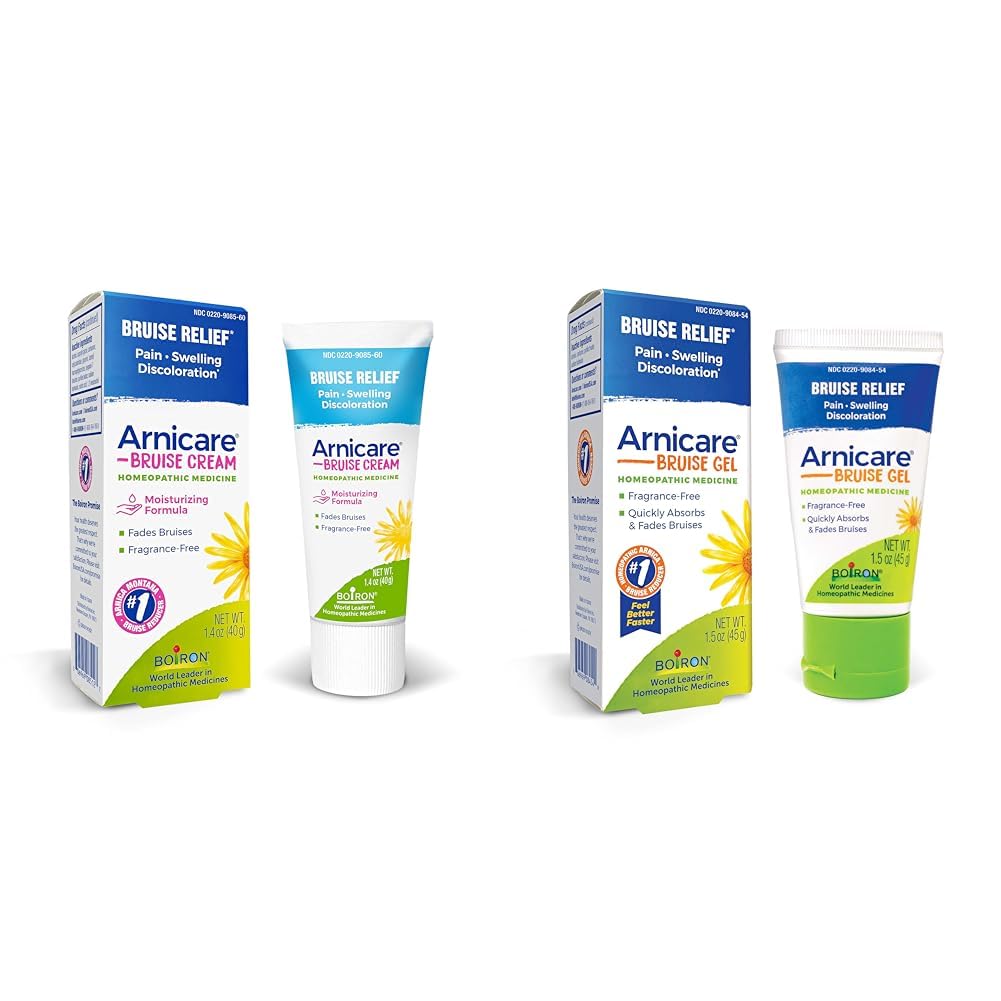
Boiron Arnicare Bruise Gel for Relief of Pain, Inflammation or Swelling, Soreness, and Discoloration - Non-greasy and Fragrance-Free - 1.5 oz
Arnicare Bruise 1. 5 oz GelUses<strong>Reduces pain, swelling and discoloration from bruises</strong>Active IngredientsArnica montana 1X HPUS-7% Trauma, muscle pain & stiffness, swelling from inju
Evidence & Sources
Promising research with growing clinical support from multiple studies
- International Mesotherapy Society
- Aesthetic Plastic Surgery
- Dermatologic Surgery
- Journal of Cosmetic Dermatology
- Clinical, Cosmetic and Investigational Dermatology
- Journal of the European Academy of Dermatology and Venereology
- American Society for Dermatologic Surgery
- U.S. Food and Drug Administration (FDA)
- National Center for Complementary and Integrative Health (NCCIH)
- World Health Organization (WHO)
This content is for informational purposes only and does not constitute medical advice. Always consult a qualified healthcare provider before starting, stopping, or changing any supplement or medication regimen.