

Liposomal Vitamin Injections
Also known as: Vitamin Shots, Nutrient Injections, Wellness Shots
Overview
Liposomal vitamin injections and related nutrient shots refer to injectable therapies that deliver vitamins or other nutrients directly into the body, typically by intramuscular or intravenous administration. In consumer wellness settings, these products are often discussed alongside liposomal delivery, a formulation strategy in which nutrients are packaged in microscopic lipid-based vesicles designed to improve stability or absorption. In practice, however, the terms are sometimes used loosely: some clinic offerings are standard vitamin injections, while others may involve compounded preparations marketed as liposomal or enhanced-delivery formulations. Common ingredients include vitamin B12, B-complex vitamins, vitamin C, glutathione, magnesium, and amino acid blends.
Interest in these therapies has grown through wellness clinics, integrative practices, and anti-fatigue or “immune support” marketing. People commonly seek them for energy, recovery, hydration support, perceived immune resilience, and correction of documented nutrient deficiencies. Conventional medicine recognizes an important role for injectable vitamins in specific clinical contexts, such as malabsorption syndromes, severe deficiency states, certain gastrointestinal disorders, or when oral intake is not possible or reliable. Outside those settings, the benefit of routine injections for otherwise healthy individuals is less clear, and research often does not support broad claims of enhanced wellness in the absence of a diagnosed deficiency.
A central issue is that route of delivery matters. Injectable administration bypasses the digestive tract and first-pass metabolism, which can be useful for nutrients that are poorly absorbed orally in some patients. Liposomal technology, by contrast, is more often studied in oral or topical formulations than in widely standardized injectable products. As a result, discussion of “liposomal vitamin injections” can involve a mixture of established medical nutrient replacement, wellness-oriented nutrient shots, and emerging formulation science. This makes product quality, compounding standards, dose consistency, and clinical oversight especially important.
Potential risks also deserve attention. Even when vitamins are familiar substances, injections are not risk-free. Adverse effects can include pain, bruising, allergic reactions, contamination-related infections, dosing errors, and complications related to intravenous administration. Some nutrients have narrow therapeutic windows or can interact with medications or underlying health conditions. For that reason, healthcare professionals generally distinguish between evidence-based correction of a defined deficiency and elective wellness use, and many emphasize the importance of medical evaluation before relying on injectable nutrient therapies.
Medical Perspectives
Two Ways of Seeing Health

Western
scientific · clinical
Western medicine applies science, technology, and clinical experience to treat symptoms through testing, diagnosis, and targeted intervention.

Eastern
traditional · alternative
Eastern medicine focuses on treating the body naturally by applying traditional knowledge practiced for thousands of years, emphasizing balance and whole-person wellness.
Gold Bamboo presents both perspectives side-by-side so you can make informed decisions. We don't advocate for one over the other — your health choices are yours.
Western Medicine Perspective
Western Medicine Perspective
From a conventional medical standpoint, injectable vitamin therapy is most clearly supported when there is a specific indication. Examples include vitamin B12 injections for pernicious anemia or documented B12 deficiency, parenteral nutrition in medically complex patients, and selected hospital or specialty uses of intravenous vitamins under close supervision. In these settings, the rationale is straightforward: the body may be unable to absorb nutrients adequately through the gastrointestinal tract, or rapid correction may be clinically necessary. Research and longstanding clinical experience support this targeted use for certain deficiencies.
In contrast, routine nutrient shots for generalized fatigue, immunity, detoxification, or performance enhancement are less well established. Studies suggest that individuals without a measurable deficiency often do not derive the same clear benefit from injectable vitamins as those with documented deficiency or malabsorption. For example, B12 supplementation can be essential in true deficiency, but for people with normal B12 status, claims of dramatic energy enhancement are not consistently supported by high-quality evidence. Similarly, intravenous or injectable vitamin C, glutathione, and mixed nutrient infusions remain areas of active interest, but evidence varies substantially by indication and formulation.
Conventional medicine also focuses heavily on safety, sterility, and regulatory oversight. Many wellness injections are prepared through compounding pharmacies or clinic-specific protocols, and product standardization may differ from approved pharmaceutical products. Medical literature and public health agencies have documented concerns about contamination, inappropriate administration, and exaggerated marketing claims in some infusion and injection settings. As a result, western clinicians often view these therapies through the lens of risk-benefit balance, reserving stronger support for documented deficiency correction and medically supervised care rather than broad preventive or lifestyle use.
Eastern & Traditional Perspective
Eastern and Traditional Medicine Perspective
Traditional medical systems generally do not originate from a historical framework of modern injectable vitamin delivery, but many contemporary integrative practitioners interpret nutrient injections through the broader principle of restoring vitality, resilience, and functional balance. In integrative naturopathy, for example, injectable nutrients may be viewed as a way to support patients whose digestion, stress burden, or chronic depletion appears to limit recovery. The focus is often on supporting the body’s restorative capacity rather than targeting a single disease label.
Within Traditional Chinese Medicine (TCM), symptoms such as fatigue, lowered resistance to illness, poor recovery, or mental fog might traditionally be understood in patterns involving Qi deficiency, Blood deficiency, Spleen deficiency, or depletion of constitutional reserves. TCM itself would more commonly address these patterns with herbal formulas, acupuncture, dietary therapy, and lifestyle regulation, rather than vitamin injections. In modern integrative clinics, however, nutrient shots may be used as an adjunct while the broader pattern-based assessment remains central.
In Ayurveda, low energy, weak digestion, poor tissue nourishment, and burnout-like states may be framed in terms of agni imbalance, dhatu depletion, ojas weakness, or vata aggravation, depending on presentation. Classical Ayurvedic care emphasizes digestion, assimilation, botanical preparations, oils, daily routine, and individualized constitution-based support. Injectable nutrients are therefore better understood as a modern adjunct in integrative practice rather than a traditional Ayurvedic therapy. Across eastern and traditional perspectives, the main emphasis remains on context, constitution, and underlying imbalance, with less attention to isolated nutrient replacement unless integrated into a broader therapeutic framework.
Overall, traditional systems may regard nutrient injections as potentially useful in selected modern settings, but typically not as a standalone answer. Their interpretive strength lies more in whole-person assessment—including sleep, digestion, stress, recovery, and vitality—than in the injection itself.
Supplements & Products
Recommended Products

Could It Be B12?: An Epidemic of Misdiagnoses: Pacholok RN, Sally M., Stuart DO, Jeffrey J.
<strong>In 1985, Pacholok diagnosed herself with vitamin B12 deficiency, after her doctors had failed to identify her condition</strong>. As a result, she is passionate about the need to educate the p
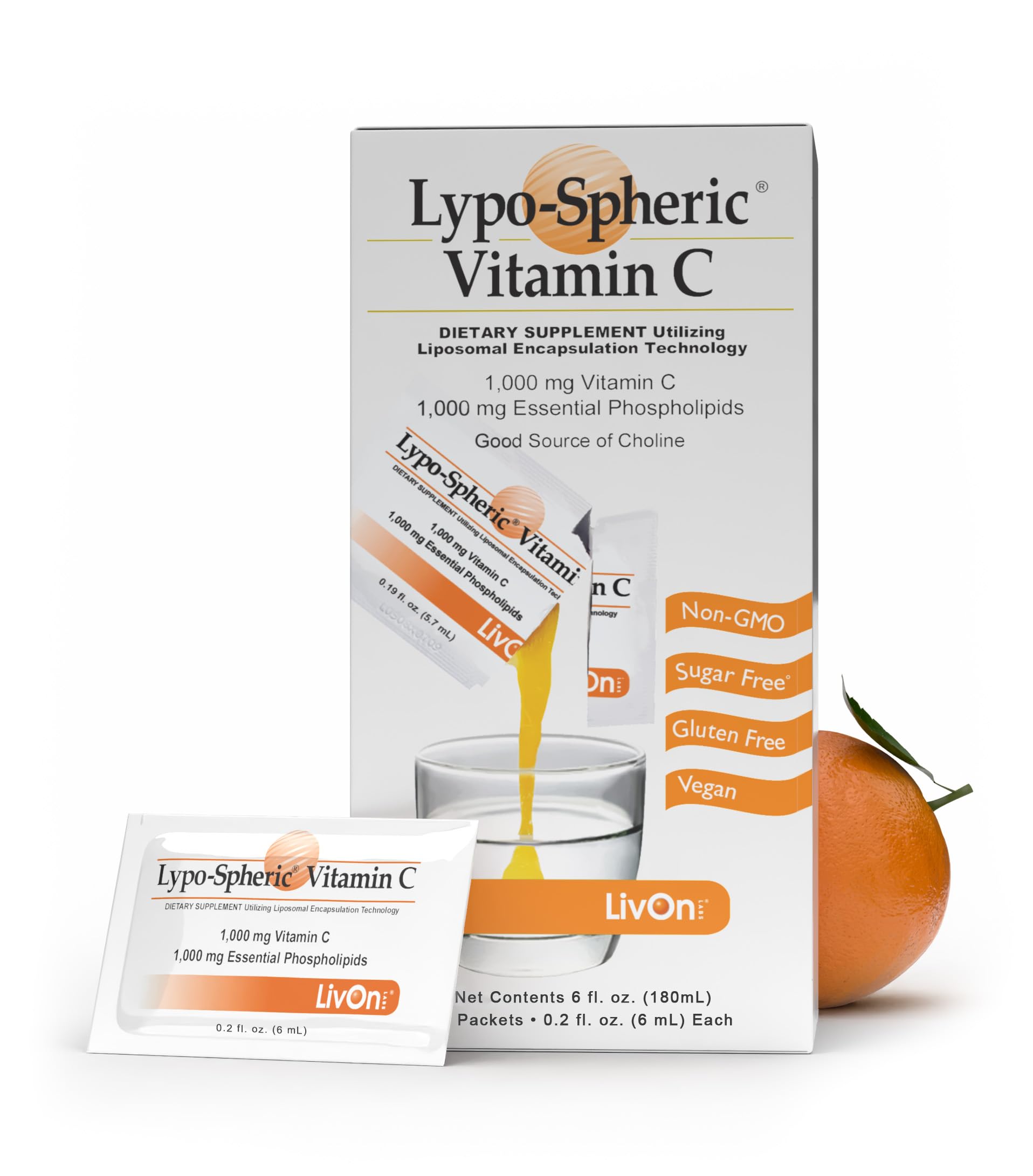
LivOn Laboratories Lypo–Spheric Liposomal Vitamin C 1000mg - No Sugar, Immune Support, Plant Based - Easy to Swallow, Absorbable - Non–GMO, Gluten Free (0.2 fl oz Individual 30 Packets)
LivOn Laboratories Lypo–Spheric Vitamin C, 1000 mg Vitamin C & 1000 mg Essential Phospholipids Per Packet, <strong>Liposome Encapsulated for Improved Absorption, 100% Non–GMO, 1 Carton, 0.2 Fl Oz
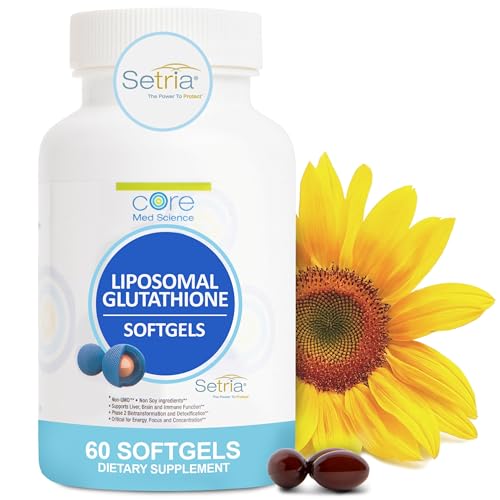
Core Med Science Liposomal Glutathione Supplement (500mg, 60 Softgels) - Pure Reduced Setria with Phospholipid Complex - Antioxidant Supplement for Energy, and Skin
Buy Core Med Science Liposomal Glutathione Supplement (500mg, 60 Softgels) - Pure Reduced Setria with Phospholipid Complex - <strong>Antioxidant Supplement for Energy, and Skin</strong> on Amazon.com
Evidence & Sources
Promising research with growing clinical support from multiple studies
- National Institutes of Health Office of Dietary Supplements (Vitamin B12 Fact Sheet)
- National Center for Complementary and Integrative Health (NCCIH)
- U.S. Food and Drug Administration (FDA)
- Cochrane Reviews
- The New England Journal of Medicine
- JAMA
- American Society for Parenteral and Enteral Nutrition (ASPEN)
- World Health Organization (WHO)
This content is for informational purposes only and does not constitute medical advice. Always consult a qualified healthcare provider before starting, stopping, or changing any supplement or medication regimen.