

IV Vitamin C Therapy
Also known as: high-dose vitamin C IV, vitamin C infusion
Overview
IV vitamin C therapy refers to the intravenous administration of ascorbic acid, allowing substantially higher blood concentrations than can typically be achieved through oral supplementation. On wellness and integrative medicine platforms, it is often discussed in relation to immune support, antioxidant activity, recovery, inflammation modulation, and adjunctive care in certain chronic or complex conditions. In conventional clinical settings, intravenous vitamin C has also been studied in areas such as critical illness, sepsis, cancer supportive care, wound healing, and deficiency states, though the strength of evidence varies considerably by use case.
Vitamin C is an essential water-soluble nutrient involved in collagen synthesis, immune cell function, neurotransmitter production, iron absorption, and protection against oxidative stress. Severe deficiency causes scurvy, a well-established medical condition. The rationale behind IV delivery is pharmacokinetic: when vitamin C is taken orally, intestinal absorption becomes limited at higher doses, whereas intravenous delivery can produce much higher transient plasma concentrations. This difference has driven research into whether IV vitamin C may have effects distinct from standard oral intake.
Interest in IV vitamin C spans both mainstream research and complementary medicine, but it remains a topic where enthusiasm often exceeds certainty. Studies suggest potential roles in reducing some markers of inflammation or improving certain patient-reported symptoms in selected settings, yet findings are inconsistent across populations and outcomes. In oncology, for example, IV vitamin C has been explored as a complementary therapy alongside standard treatment, primarily for quality of life, fatigue, and symptom burden, while evidence for direct anticancer effects in humans remains limited and not definitive.
Safety and context are central to any discussion of this therapy. While vitamin C is often perceived as low risk, intravenous high-dose use is not appropriate for all individuals. Medical literature highlights important considerations such as kidney function, risk of oxalate accumulation, fluid balance, glucose-6-phosphate dehydrogenase (G6PD) deficiency, and potential interactions with certain laboratory tests or treatments. Because IV administration bypasses the digestive system and reaches pharmacologic levels, it is generally discussed as a therapy that warrants evaluation by qualified healthcare professionals rather than as a routine wellness intervention.
Medical Perspectives
Two Ways of Seeing Health

Western
scientific · clinical
Western medicine applies science, technology, and clinical experience to treat symptoms through testing, diagnosis, and targeted intervention.

Eastern
traditional · alternative
Eastern medicine focuses on treating the body naturally by applying traditional knowledge practiced for thousands of years, emphasizing balance and whole-person wellness.
Gold Bamboo presents both perspectives side-by-side so you can make informed decisions. We don't advocate for one over the other — your health choices are yours.
Western Medicine Perspective
Western Medicine Perspective
From a conventional medicine standpoint, IV vitamin C is understood primarily through biochemistry, pharmacology, and clinical outcomes research. Vitamin C functions as an antioxidant in many physiologic contexts, though at very high concentrations achieved intravenously, researchers have also proposed pro-oxidant effects in certain tissues or tumor microenvironments. This dual mechanistic interest has made IV vitamin C a subject of investigation in cancer research, critical care, and inflammatory conditions. However, mechanism alone is not considered sufficient; clinical medicine places greatest weight on whether these effects translate into meaningful improvements in survival, symptom control, or recovery.
In current evidence reviews, the most established medical use of vitamin C remains the prevention and treatment of deficiency. Beyond deficiency, research on IV vitamin C is mixed. In sepsis and critical illness, randomized trials and meta-analyses have produced inconsistent findings, with some studies suggesting possible effects on vasopressor use, organ dysfunction markers, or length of stay, while others have not shown clear mortality benefit. In oncology, major cancer organizations generally describe IV vitamin C as an investigational or complementary therapy rather than standard treatment. Some studies indicate improvements in fatigue, nausea, pain, or overall quality of life when used alongside conventional cancer care, but evidence does not establish it as a replacement for evidence-based oncologic therapy.
Safety screening is an important part of the western medical approach. High-dose IV vitamin C may pose concerns in people with renal impairment, history of oxalate kidney stones, hemochromatosis, or G6PD deficiency, and it may interfere with certain point-of-care glucose measurements. Conventional clinicians also evaluate formulation, osmolarity, infusion rate, and sterility standards because intravenous therapies carry risks that oral supplements do not, including phlebitis, fluid-related complications, and infusion reactions. Overall, western medicine views IV vitamin C as a therapy with specific investigational and supportive-care interest, but not one supported by uniform high-quality evidence across all of its popular claims.
Eastern & Traditional Perspective
Eastern/Traditional Medicine Perspective
In traditional East Asian medicine and other holistic systems, IV vitamin C is not a classical therapy, since intravenous nutrient delivery is a modern biomedical method. However, many integrative practitioners interpret its effects through broader traditional concepts such as supporting vital energy during depletion, cooling excess heat associated with inflammation, assisting recovery after illness, and strengthening resilience during periods of physiologic stress. In this framing, the therapy is often discussed less as a stand-alone intervention and more as one tool within a wider strategy that may include diet, rest, herbs, acupuncture, breath practices, and constitutional assessment.
Within a Traditional Chinese Medicine (TCM) lens, patients seeking supportive therapies are often understood in terms of patterns rather than disease labels alone. Symptoms associated with fatigue, recurrent illness, or prolonged recovery might be interpreted through patterns involving qi deficiency, yin depletion, or heat-toxin/inflammatory excess, depending on the presentation. An integrative TCM-informed clinician may view IV vitamin C as a modern supportive measure that potentially complements pattern-based care, while still recognizing that it does not replace traditional diagnostic methods or individualized treatment principles.
In Ayurveda and naturopathic medicine, comparable ideas may center on ojas, tissue nourishment, recovery capacity, oxidative burden, and inflammation balance. Practitioners in these traditions often emphasize that vitality is shaped by digestion, sleep, stress regulation, environment, and constitution, not solely by nutrient levels. From this perspective, IV vitamin C may be regarded as a short-term restorative or adjunctive therapy in selected contexts, while the broader therapeutic goal remains restoration of systemic balance. Across traditional systems, the evidence base for these interpretations is largely conceptual and integrative rather than classical or directly validated in traditional texts, so practitioners commonly pair traditional theory with modern safety screening and collaboration with licensed medical professionals.
Supplements & Products
Recommended Products
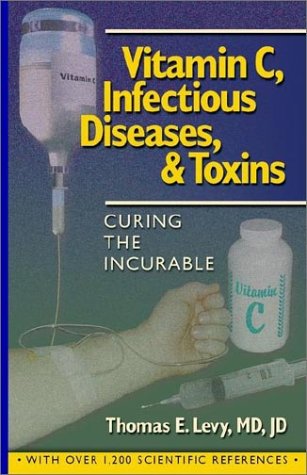
Curing the Incurable: Vitamin C, Infectious Diseases, and Toxins, 3rd Edition: Levy MD, Jd
Levy has taken great care to research, ... you need to most effectively use vitamin C to: <strong>Prevent, cure, reverse and/or greatly improve a massive list of health conditions</strong>....
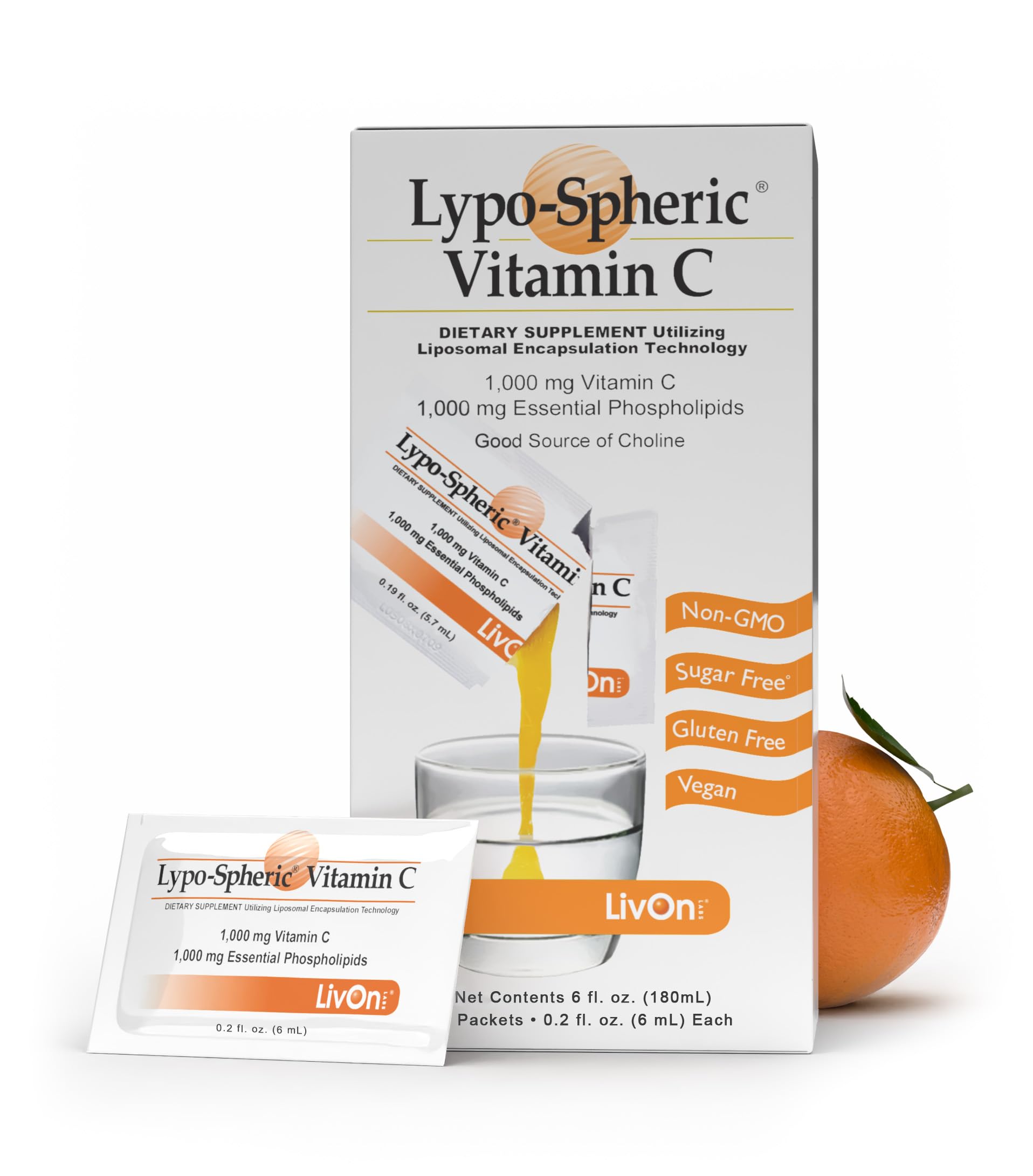
LivOn Laboratories Lypo–Spheric Liposomal Vitamin C 1000mg - No Sugar, Immune Support, Plant Based - Easy to Swallow, Absorbable - Non–GMO, Gluten Free (0.2 fl oz Individual 30 Packets)
LivOn Laboratories Lypo–Spheric Vitamin C, 1000 mg Vitamin C & 1000 mg Essential Phospholipids Per Packet, <strong>Liposome Encapsulated for Improved Absorption, 100% Non–GMO, 1 Carton, 0.2 Fl Oz
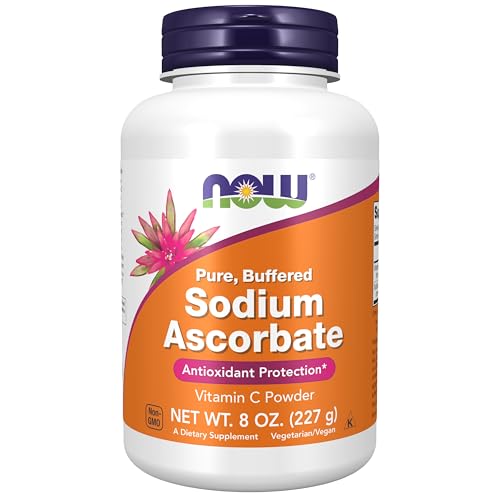
NOW Supplements, Sodium Ascorbate Powder, Buffered, Antioxidant Protection*, 8-Ounce
Consult physician if pregnant/nursing, taking medication, or have a medical condition. Keep out of reach of children. NOW® Sodium Ascorbate Powder is <strong>an inexpensive buffered form of Vitamin C
Evidence & Sources
Promising research with growing clinical support from multiple studies
- National Center for Complementary and Integrative Health (NCCIH)
- National Cancer Institute (NCI) PDQ Integrative, Alternative, and Complementary Therapies Editorial Board
- NIH Office of Dietary Supplements
- Cochrane Library
- JAMA
- Critical Care
- Nutrients
- CA: A Cancer Journal for Clinicians
This content is for informational purposes only and does not constitute medical advice. Always consult a qualified healthcare provider before starting, stopping, or changing any supplement or medication regimen.