

IV Glutathione
Also known as: glutathione infusion, GSH IV
Overview
IV glutathione refers to intravenous administration of glutathione, a naturally occurring antioxidant made from the amino acids glutamate, cysteine, and glycine. In the body, glutathione plays a central role in redox balance, detoxification pathways, immune function, and protection of cells from oxidative stress. Because oral glutathione has historically raised questions about absorption and bioavailability, intravenous delivery is marketed as a way to raise circulating levels more directly. It is commonly discussed in wellness settings for antioxidant support, liver health, recovery, skin-brightening applications, and general vitality, while in medical settings glutathione has also been studied in selected disease contexts.
Interest in IV glutathione has grown alongside broader public attention to oxidative stress and mitochondrial health. Oxidative stress is implicated in aging and in a wide range of chronic conditions, including neurodegenerative disorders, metabolic disease, inflammatory states, and toxic exposures. Glutathione is especially important in the liver, where it participates in conjugation and detoxification processes, and in the lungs, nervous system, and immune cells, where antioxidant defenses are critical. This biologic plausibility has made glutathione a frequent subject of both clinical research and integrative medicine discussion.
At the same time, clinical evidence remains condition-specific and mixed. Research suggests glutathione may have relevance in certain areas such as adjunctive support during some medical treatments, oxidative stress-related conditions, and selected neurologic or hepatic disorders, but findings are not uniform across populations or outcomes. In aesthetic medicine, IV glutathione is also promoted for skin lightening or brightening; however, this use is controversial, and safety concerns have been raised by regulators and professional groups in some regions.
As with many IV therapies, the context matters. The potential value of IV glutathione depends on the condition being studied, dose and formulation, treatment setting, and the individual’s overall health status. Questions often raised in the literature include bioavailability, durability of effect, appropriate indications, and safety, including allergic reactions, contamination risks, and the possibility of unintended effects when used repeatedly outside established medical protocols. Consultation with a qualified healthcare professional is important when evaluating whether this therapy is appropriate in any specific case.
Medical Perspectives
Two Ways of Seeing Health

Western
scientific · clinical
Western medicine applies science, technology, and clinical experience to treat symptoms through testing, diagnosis, and targeted intervention.

Eastern
traditional · alternative
Eastern medicine focuses on treating the body naturally by applying traditional knowledge practiced for thousands of years, emphasizing balance and whole-person wellness.
Gold Bamboo presents both perspectives side-by-side so you can make informed decisions. We don't advocate for one over the other — your health choices are yours.
Western Medicine Perspective
Western / Conventional Medicine Perspective
In conventional medicine, glutathione is understood primarily as the body’s master intracellular antioxidant, involved in neutralizing reactive oxygen species, regenerating other antioxidants, and supporting phase II detoxification. From this perspective, IV glutathione is of interest when there is a plausible role for oxidative stress, toxic burden, or glutathione depletion in disease processes. Research has examined glutathione in settings such as Parkinson’s disease, chemotherapy-related toxicity, liver disease, autism spectrum disorder, infertility, and critical illness, though evidence quality varies substantially by indication.
Studies indicate that intravenous administration can raise plasma glutathione levels more rapidly than oral intake, but this does not automatically translate into meaningful long-term clinical benefit. In evidence-based practice, the key question is not only whether blood levels increase, but whether patient-centered outcomes improve. For example, some studies have explored glutathione as an adjunct to reduce certain chemotherapy side effects or to support antioxidant defenses in specific disorders, while other areas remain preliminary or inconsistent. As a result, IV glutathione is not broadly considered a standard therapy across most conditions, though it may be discussed in integrative or specialty contexts.
Safety is an important part of the conventional assessment. Reported concerns include infusion reactions, contamination or sterility issues associated with compounded IV products, possible interactions with ongoing treatments, and rare hypersensitivity responses. In the context of skin lightening, regulatory agencies and dermatology groups have noted limited evidence for efficacy and incomplete safety data, especially with repeated high-dose use. Conventional medicine generally places greatest emphasis on careful indication selection, product quality, clinical monitoring, and avoiding exaggerated claims where evidence remains limited.
Eastern & Traditional Perspective
Eastern / Traditional Medicine Perspective
Traditional medical systems do not historically describe glutathione by its modern biochemical name, but many align conceptually with the goal of supporting the body’s resilience, detoxification capacity, and resistance to depletion. In Traditional Chinese Medicine (TCM), concerns that overlap with oxidative stress or toxic burden may be framed in terms such as heat, toxin accumulation, deficiency, or impaired organ system harmony—particularly involving the Liver, Lung, and Spleen networks. From this viewpoint, an intervention like IV glutathione may be interpreted as a modern tool intended to support the body when internal balance has been strained, though it is not part of classical TCM practice itself.
In Ayurveda, similar themes may be understood through concepts such as impaired agni (metabolic fire), ama (accumulated metabolic waste), and depletion of ojas, the subtle essence associated with vitality and resilience. A therapy that enhances antioxidant capacity could be viewed as broadly relevant to restoring physiologic balance in a modern biomedical sense, but Ayurveda traditionally approaches these patterns through individualized assessment, diet, herbs, purification methods, and lifestyle practices rather than intravenous antioxidant delivery.
Within naturopathic and integrative medicine, IV glutathione is more commonly incorporated as part of contemporary practice. It is often discussed as a means of supporting detoxification pathways, reducing oxidative burden, and complementing broader efforts focused on nutrition, mitochondrial support, environmental medicine, or recovery from intensive physiologic stress. Even in these settings, responsible frameworks generally emphasize that evidence is still evolving, that responses may vary by condition, and that treatment decisions are best made within a licensed clinical relationship rather than through generalized wellness claims.
Supplements & Products
Recommended Products
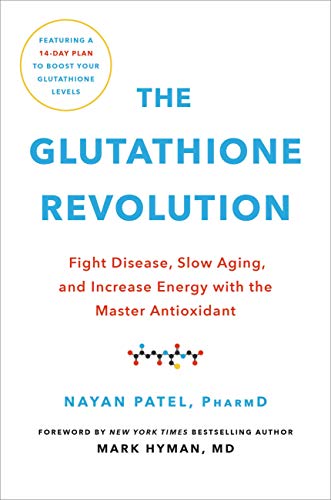
The Glutathione Revolution: Fight Disease, Slow Aging, and Increase Energy with the Master Antioxidant: Patel PharmD, Nayan, Hyman MD, Dr. Mark
Nayan Patel <strong>shares all the information you need to boost your glutathione levels, revitalize your body, and transform your life with this naturally-occurring super antioxidant</strong>. In The
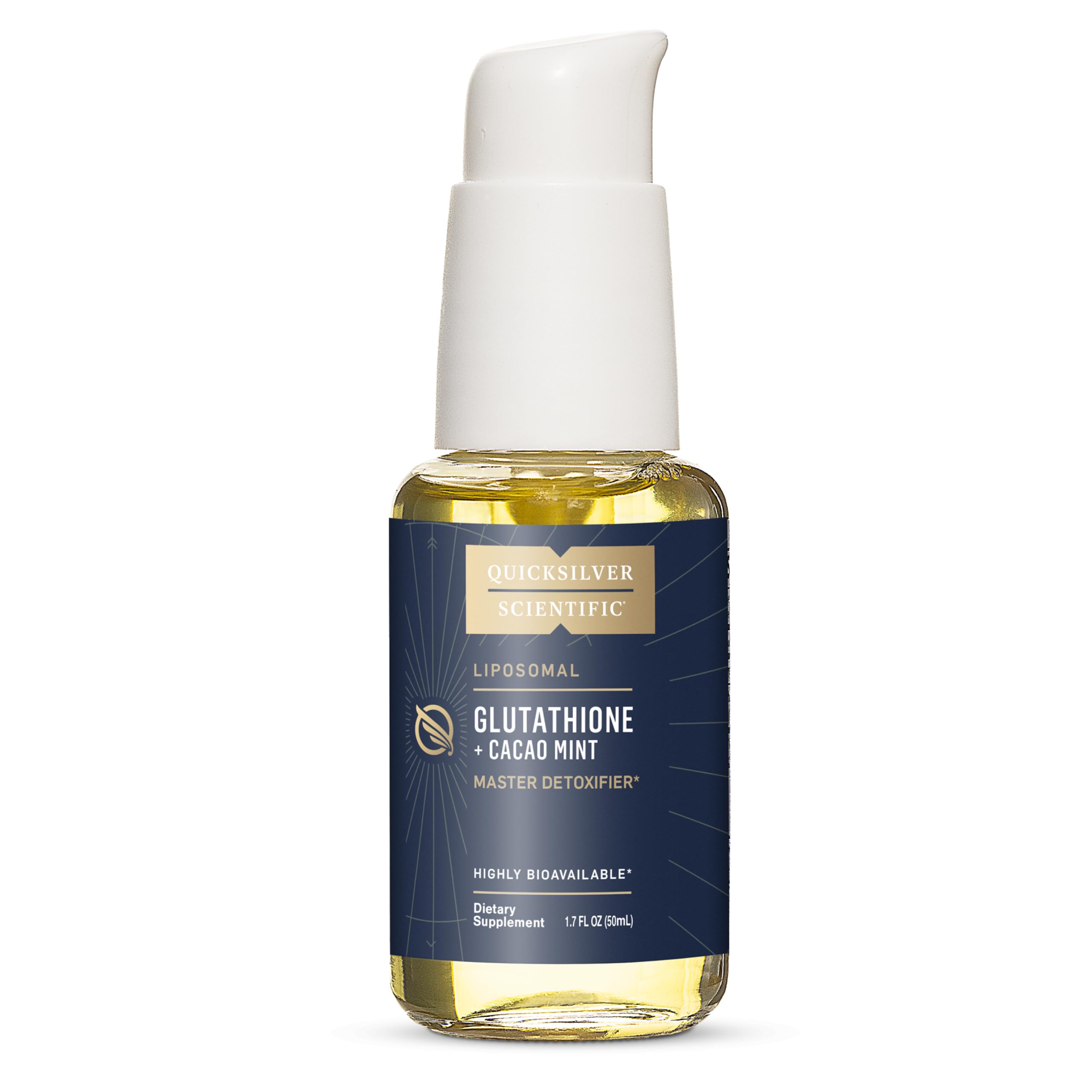
Quicksilver Scientific Liposomal Glutathione - Superior Absorption Oral Glutathione Supplement for Detox & Immune Support - Lemon Mint (1.7 fl oz)
<strong>Quicksilver Scientific Liposomal Glutathione</strong> - Superior Absorption Oral Glutathione Supplement for Detox & Immune Support - 100 mg of Liquid Glutathione, Gluten Free & Non-GMO
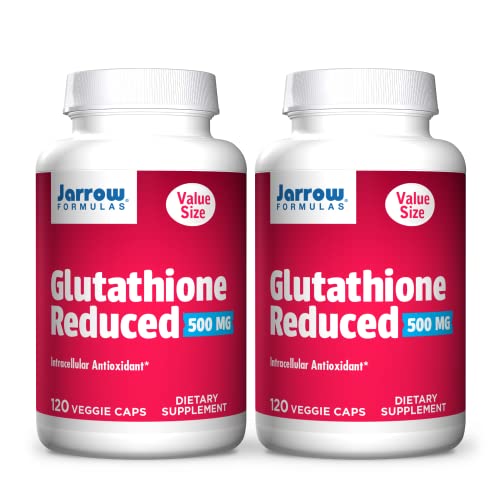
Jarrow Formulas Glutathione Reduced 500 mg - 120 Veggie Capsules - Intracellular Antioxidant - Quality Glutathione Supplements - Supports Recycling of Vitamins C & E - Non-GMO - Gluten Free - Vegan
Superior Nutrition and Formulation: Jarrow Formulas antioxidant nutritional supplements promote optimal health with quality, effective, affordable, and superior formulation of dietary supplements · Su
Evidence & Sources
Promising research with growing clinical support from multiple studies
- National Institutes of Health (NIH)
- National Center for Complementary and Integrative Health (NCCIH)
- World Health Organization (WHO)
- Journal of Clinical Oncology
- Parkinsonism & Related Disorders
- Clinical Nutrition
- The Journal of Dermatology
- Indian Journal of Dermatology, Venereology and Leprology
This content is for informational purposes only and does not constitute medical advice. Always consult a qualified healthcare provider before starting, stopping, or changing any supplement or medication regimen.