

Hyperbaric Oxygen Therapy
Also known as: HBOT, oxygen therapy
Overview
Hyperbaric Oxygen Therapy (HBOT) is a medical treatment in which a person breathes near-100% oxygen inside a pressurized chamber, typically at pressures greater than normal atmospheric pressure. Under these conditions, substantially more oxygen dissolves into the blood plasma and reaches tissues that may be inflamed, injured, infected, or poorly supplied with oxygen. In conventional care, HBOT is best known for select situations such as decompression sickness, carbon monoxide poisoning, certain non-healing wounds, radiation-related tissue injury, and some severe infections. The treatment is delivered in either monoplace chambers (for one person) or multiplace chambers (for several people at once, often with medical staff present).
The significance of HBOT lies in its potential to support tissue oxygenation, wound healing, angiogenesis, and infection control under specific clinical circumstances. Research suggests that elevated oxygen tension may reduce edema, improve white blood cell function, promote collagen formation, and encourage the growth of new blood vessels in damaged tissue. This has made HBOT an important adjunctive therapy in particular areas of wound care, diving medicine, and emergency medicine. At the same time, its use is narrower than public interest sometimes suggests; not every condition associated with inflammation, fatigue, neurologic symptoms, or chronic pain has strong evidence supporting hyperbaric treatment.
HBOT has also attracted attention in integrative and wellness settings, where it is sometimes discussed for athletic recovery, healthy aging, post-concussion symptoms, long COVID, autism spectrum disorder, traumatic brain injury, and other chronic conditions. However, the quality of evidence varies widely across these uses. Some studies indicate possible physiologic or symptom-related benefits in select populations, while other areas remain preliminary, inconsistent, or controversial. This makes careful distinction important between established indications, off-label clinical use, and emerging research applications.
Like any medical intervention, HBOT carries potential risks and limitations. Possible adverse effects include ear or sinus barotrauma, temporary vision changes, claustrophobia, and, more rarely, oxygen toxicity affecting the lungs or central nervous system. Because of these considerations, evaluation by qualified healthcare professionals is important, particularly for individuals with lung disease, ear disorders, recent surgery, implanted devices, or other complex medical histories. Overall, HBOT occupies an interesting space between highly accepted hospital-based medicine and broader exploratory use in chronic and integrative care.
Medical Perspectives
Two Ways of Seeing Health

Western
scientific · clinical
Western medicine applies science, technology, and clinical experience to treat symptoms through testing, diagnosis, and targeted intervention.

Eastern
traditional · alternative
Eastern medicine focuses on treating the body naturally by applying traditional knowledge practiced for thousands of years, emphasizing balance and whole-person wellness.
Gold Bamboo presents both perspectives side-by-side so you can make informed decisions. We don't advocate for one over the other — your health choices are yours.
Western Medicine Perspective
Western / Conventional Medicine Perspective
From a conventional medical standpoint, HBOT is understood primarily through oxygen physics and tissue physiology. By increasing ambient pressure while delivering pure oxygen, the therapy raises the amount of oxygen dissolved directly in plasma beyond what hemoglobin alone can carry. This can improve oxygen delivery to compromised tissues, especially where circulation is reduced or local demand is high. Studies indicate that hyperoxia under pressure may also modulate inflammatory signaling, support fibroblast activity, stimulate angiogenesis, and enhance leukocyte killing of certain bacteria. These mechanisms explain why HBOT is considered an adjunctive treatment rather than a standalone cure: it is typically used alongside surgery, antibiotics, wound care, critical care support, or rehabilitation.
The strongest evidence and broadest professional acceptance are for a relatively limited set of indications recognized by organizations such as the Undersea and Hyperbaric Medical Society (UHMS). These include decompression sickness, arterial gas embolism, carbon monoxide poisoning, selected diabetic foot ulcers and other problem wounds, delayed radiation injury, necrotizing soft tissue infections, crush injury, compromised grafts or flaps, and certain cases of severe anemia or intracranial abscess. In these settings, research and clinical experience support meaningful benefit in carefully selected patients, although outcomes often depend on timing, severity, and concurrent standard treatment.
For many other uses, conventional medicine remains cautious. HBOT has been studied in traumatic brain injury, stroke recovery, cerebral palsy, autism spectrum disorder, post-concussion syndrome, chronic fatigue-related conditions, and long COVID, among others. Findings are mixed, with some trials suggesting symptom improvement and others showing limited or no clear superiority over control conditions. Methodologic issues—such as small sample sizes, variable pressure protocols, difficulty designing sham controls, and heterogeneous patient populations—make interpretation challenging. As a result, many professional groups view these applications as investigational or insufficiently established.
Safety is an important part of the western approach. Screening typically focuses on contraindications and risk factors such as untreated pneumothorax, certain pulmonary conditions, inability to equalize ear pressure, seizure risk, and use of particular medications. Conventional practice emphasizes credentialed facilities, evidence-based protocols, and integration with broader medical management. Patients considering HBOT for either approved or exploratory uses are generally advised to discuss potential benefits, limitations, costs, and risks with licensed healthcare providers familiar with both the underlying condition and hyperbaric medicine.
Eastern & Traditional Perspective
Eastern / Traditional Medicine Perspective
Traditional medical systems did not historically develop hyperbaric chambers, so HBOT is not a classical therapy in the way that acupuncture, herbal medicine, Ayurvedic rasayana, or hydrotherapy are. Even so, many integrative practitioners interpret HBOT through long-standing traditional concepts related to vitality, tissue nourishment, circulation, and recovery from depletion. In these frameworks, a therapy that increases oxygen availability may be viewed as supporting the body’s innate restorative capacity, especially where there is stagnation, weakness, or impaired healing.
In Traditional Chinese Medicine (TCM), chronic wounds, poor recovery, fatigue, and post-illness weakness are often discussed in relation to patterns involving deficient Qi, Blood stasis, Phlegm obstruction, or impaired function of the Lung and Spleen systems. While HBOT is not a traditional TCM modality, some integrative clinicians conceptually pair it with the goal of improving the body’s ability to deliver nourishment and remove stagnation. In this interpretive model, increased oxygenation may be seen as complementing broader efforts to restore circulation and functional balance, often alongside acupuncture, diet therapy, movement practices, and individualized herbal approaches.
In Ayurveda and naturopathic medicine, HBOT is sometimes framed as a modern supportive intervention that may align with principles of enhancing tissue metabolism, resilience, and repair. Ayurvedic interpretation may connect oxygenation and cellular recovery with balanced agni (transformative capacity) and healthy tissue formation, while naturopathic perspectives may place HBOT within a broader terrain-oriented approach focused on recovery environment, mitochondrial function, inflammation, and regenerative support. These interpretations are largely theoretical or integrative rather than classical, and they do not replace the need for condition-specific medical assessment.
Across eastern and traditional perspectives, the key theme is that HBOT may be viewed as a complementary tool rather than a standalone answer. Traditional systems generally emphasize pattern differentiation, constitution, lifestyle, diet, stress regulation, and longitudinal healing processes. Because evidence for combining HBOT with traditional therapies is still developing, balanced integrative care typically involves collaboration with qualified practitioners and careful attention to safety, appropriateness, and realistic expectations.
Supplements & Products
Recommended Products
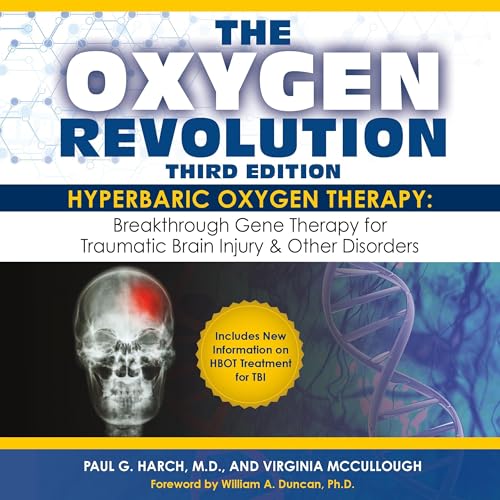
The Oxygen Revolution: Hyperbaric Oxygen Therapy: The New Treatment for Post Traumatic Stress Disorder (PTSD), Traumatic Brain Injury, Stroke, Autism and More: Harch M.D., Paul G., McCullough, Virginia
The Oxygen Revolution, Third Edition: Hyperbaric Oxygen Therapy (HBOT): The Definitive Treatment of Traumatic Brain Injury (TBI) & Other Disorders · Paul G. Harch M.D.
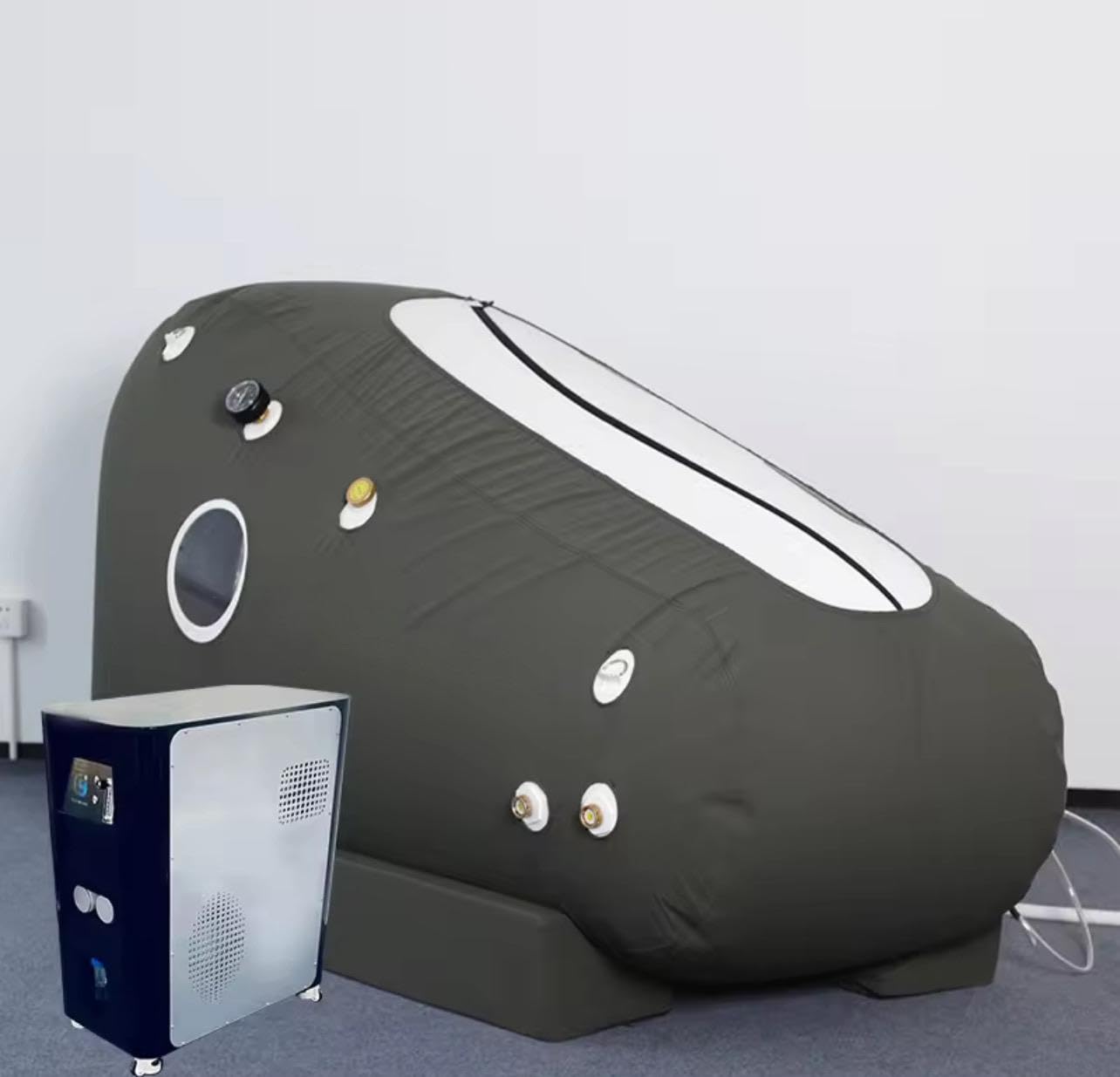
Portable Hyperbaric Oxygen Chamber, 1.3 ATA Soft Shell with Pressure Gauge, External Compressor, Gray
Buy Portable Hyperbaric Oxygen Chamber, 1.3 ATA Soft Shell with Pressure Gauge, External Compressor, Gray: Oxygen Accessories - Amazon.com ✓ FREE DELIVERY possible on eligible purchases
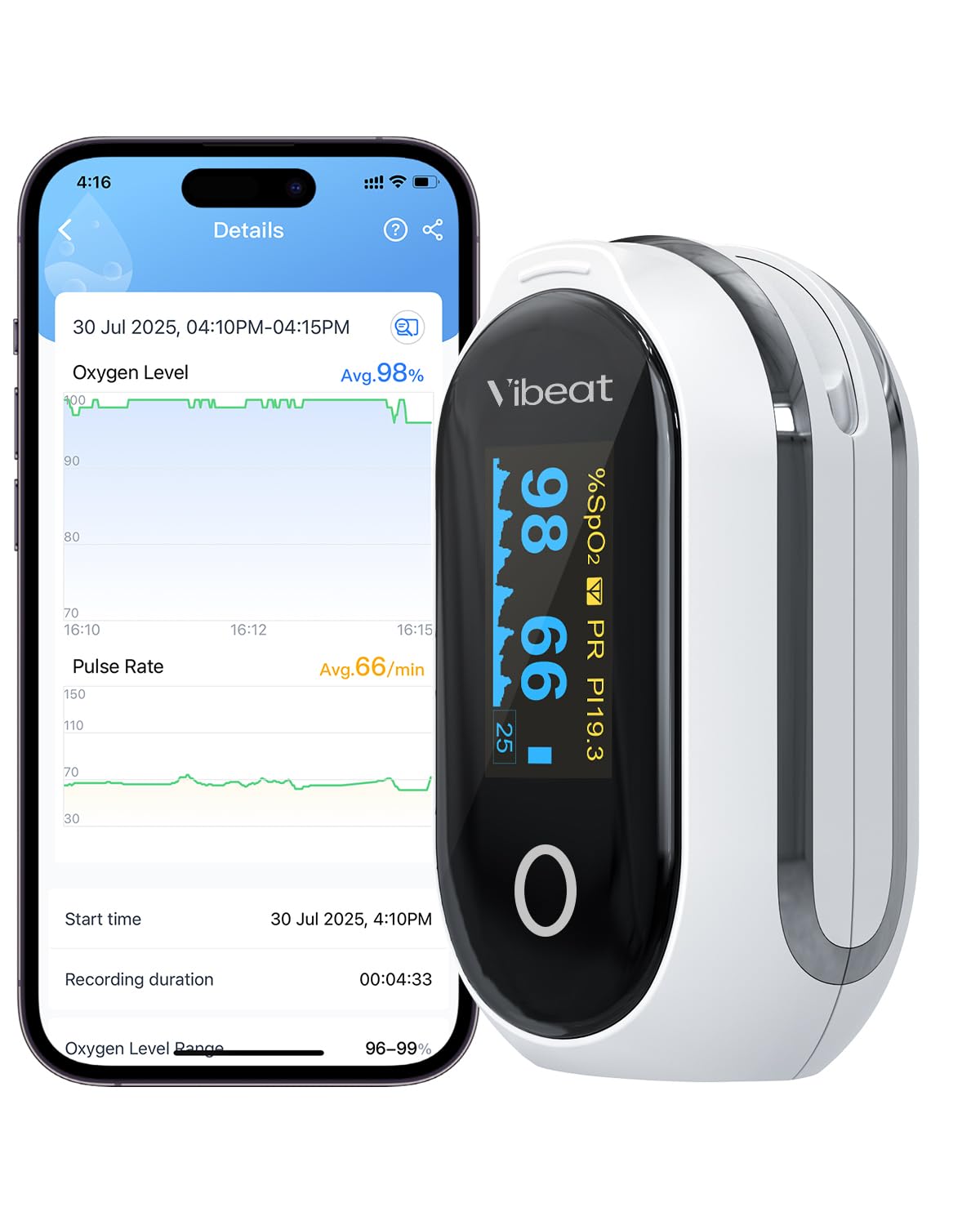
Masimo MightySat Fingertip Pulse Oximeter with Bluetooth ...
Monitor your blood oxygen levels and pulse with a <strong>compact, medical-grade pulse oximeter</strong>. Portable design with one-button operation and lanyard included.
Evidence & Sources
Promising research with growing clinical support from multiple studies
- Undersea and Hyperbaric Medical Society (UHMS)
- U.S. Food and Drug Administration (FDA)
- National Center for Complementary and Integrative Health (NCCIH)
- Cochrane Reviews
- StatPearls: Hyperbaric Oxygen Therapy
- The Lancet
- JAMA Network
- Undersea & Hyperbaric Medicine
- New England Journal of Medicine
- National Institutes of Health (NIH)
This content is for informational purposes only and does not constitute medical advice. Always consult a qualified healthcare provider before starting, stopping, or changing any supplement or medication regimen.