

Hydrogen Peroxide IV Therapy
Also known as: H2O2 IV, Peroxide Infusion, Oxidative IV Therapy
Overview
Hydrogen peroxide IV therapy refers to the intravenous administration of diluted hydrogen peroxide, typically promoted in some alternative and integrative medicine settings as a way to increase tissue oxygenation, support immune function, or assist with infection and “detoxification.” Hydrogen peroxide is a reactive oxygen compound naturally produced in small amounts within the body as part of normal cellular signaling and immune activity. However, its use as an infused medical treatment is highly controversial because the biological effects of hydrogen peroxide inside the bloodstream differ substantially from the body’s tightly regulated endogenous production.
Interest in this therapy often arises in the context of chronic infections, fatigue, circulatory concerns, or protocols described as oxidative or bio-oxidative medicine. Promotional claims have historically suggested that hydrogen peroxide may release oxygen, alter microbial environments, or stimulate healing responses. At the same time, major medical organizations and toxicology references have raised significant safety concerns, particularly because intravenous hydrogen peroxide can generate gas emboli, oxidative tissue injury, vascular irritation, and serious systemic complications.
From a broader health-information perspective, this treatment occupies a highly contested space. It is not part of standard evidence-based care for infection, immune support, detoxification, or chronic disease management, and it has not been established as safe or effective for these purposes in well-designed clinical trials. Published literature contains far more discussion of adverse events, case reports, and toxicology than high-quality therapeutic evidence. For that reason, discussions of hydrogen peroxide IV therapy generally emphasize the gap between theoretical claims and demonstrated clinical benefit.
People researching this topic may encounter it alongside other oxidative therapies such as ozone-based approaches. While these are sometimes grouped together in alternative practice, they are distinct interventions and carry different mechanisms, regulatory issues, and risk profiles. Because hydrogen peroxide is chemically reactive and intravenous exposure can create immediate harms, any evaluation of this therapy requires careful review of both evidence limitations and patient safety concerns, ideally with input from qualified healthcare professionals.
Medical Perspectives
Two Ways of Seeing Health

Western
scientific · clinical
Western medicine applies science, technology, and clinical experience to treat symptoms through testing, diagnosis, and targeted intervention.

Eastern
traditional · alternative
Eastern medicine focuses on treating the body naturally by applying traditional knowledge practiced for thousands of years, emphasizing balance and whole-person wellness.
Gold Bamboo presents both perspectives side-by-side so you can make informed decisions. We don't advocate for one over the other — your health choices are yours.
Western Medicine Perspective
Western Medicine Perspective
In conventional medicine, hydrogen peroxide is primarily recognized as a topical antiseptic and laboratory/industrial oxidizing agent, not an accepted intravenous therapeutic agent. Western biomedical understanding holds that introducing hydrogen peroxide directly into the bloodstream poses inherent risks because it rapidly decomposes into water and oxygen while also generating oxidative stress. In blood vessels and tissues, this process may damage cells, irritate endothelium, and produce oxygen bubbles that can obstruct circulation. Reported complications in the medical literature include air or gas embolism, hemolysis, stroke-like events, cardiopulmonary compromise, and death.
Conventional evaluation of any IV therapy depends on pharmacology, dose consistency, mechanism, safety monitoring, and controlled clinical outcomes. For hydrogen peroxide IV therapy, there is no broad acceptance by mainstream medical societies, no established therapeutic indication approved by major regulators, and no robust body of randomized clinical evidence demonstrating benefit for infections, immune dysfunction, detoxification, or chronic inflammatory conditions. Research and policy statements from toxicology and public health agencies have generally emphasized the hazards of concentrated or systemic hydrogen peroxide exposure rather than therapeutic utility.
From an evidence-based standpoint, claims about “oxygenating the blood” are viewed cautiously. Hemoglobin physiology already regulates oxygen transport efficiently under normal conditions, and simply generating oxygen chemically in the bloodstream does not translate into a validated therapeutic strategy. Studies on oxidative stress also suggest that excess reactive oxygen species can contribute to cellular injury rather than healing. As a result, western medicine generally regards hydrogen peroxide IV therapy as an unproven and potentially dangerous intervention rather than a conventional treatment modality.
In clinical practice, patients asking about this therapy are often evaluated through the lens of risk communication, informed consent, and exploration of the underlying condition they are trying to address. Standard medical care would generally focus on diagnosing the specific illness, reviewing evidence-based options, and discussing why unapproved infusions may carry disproportionate risk relative to any claimed benefit.
Eastern & Traditional Perspective
Eastern / Traditional Medicine Perspective
Classical East Asian medicine, Ayurveda, and most traditional healing systems do not have a historical analogue to intravenous hydrogen peroxide infusion. This means the therapy is better understood as a modern alternative or integrative intervention rather than a traditional practice rooted in ancient texts. In Traditional Chinese Medicine (TCM), for example, concerns such as fatigue, recurrent illness, inflammatory states, or toxic accumulation would more typically be interpreted through patterns involving qi deficiency, heat, dampness, phlegm, blood stasis, or imbalance in organ systems, rather than through the concept of infusing an oxidizing substance into the bloodstream.
Within naturopathic and oxidative medicine circles, hydrogen peroxide IV therapy has sometimes been framed as a way to support the body’s terrain, improve oxygen utilization, or influence microbial burden. These ideas overlap loosely with broader holistic concepts of enhancing vitality or restoring internal balance, but they are not equivalent to classical traditional doctrine. In other words, while some modern integrative practitioners may place hydrogen peroxide infusions within a holistic framework, the treatment itself is largely a contemporary construct and not a standard traditional remedy.
Traditional systems more commonly emphasize individualized assessment, constitutional factors, diet, botanical medicine, mind-body regulation, and gentler methods intended to support resilience over time. From that perspective, a reactive intravenous compound may be seen as inconsistent with the gradual, harmonizing strategies favored in many historical medical traditions. At the same time, some modern complementary practitioners view controlled oxidative therapies as a means of stimulating adaptive responses; however, this rationale remains controversial and insufficiently validated.
A balanced interpretation is that eastern and traditional frameworks may offer useful ways to understand the symptoms or health patterns that lead people to investigate controversial therapies, but they do not provide strong classical support for hydrogen peroxide IV use itself. Any discussion in integrative settings generally benefits from distinguishing between genuine traditional practice and newer experimental interventions marketed under a holistic banner.
Supplements & Products
Recommended Products
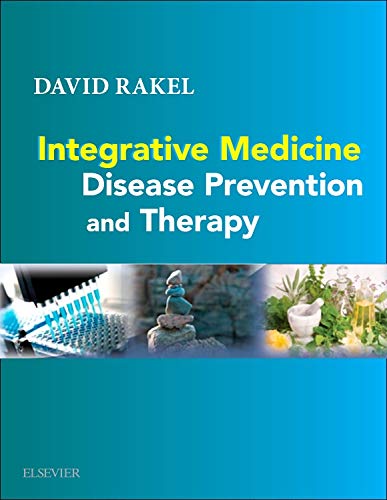
Integrative Medicine
Written by physicians who are experts ... Medicine, 5th Edition, <strong>uses a clinical, disease-oriented approach to safely and effectively incorporate alternative therapies into primary care practi
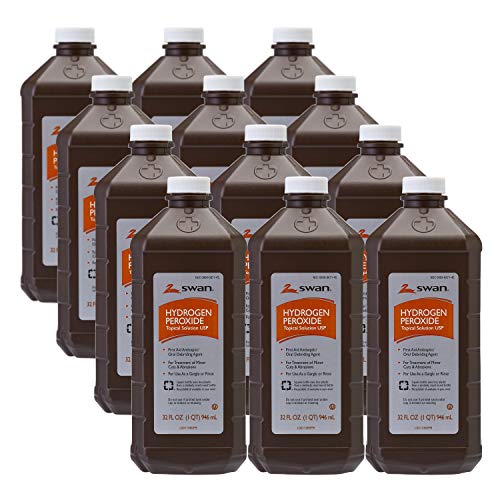
Swan Hydrogen Peroxide Antiseptic Topical Solution, 16 Fluid Ounce
Swan Hydrogen Peroxide Antiseptic Topical Solution (16 fl oz) is <strong>an antiseptic liquid used to clean and prevent infection in minor cuts, scrapes, and burns</strong>.
Evidence & Sources
Based on traditional practice; limited modern clinical research available
- U.S. Food and Drug Administration (FDA)
- National Center for Complementary and Integrative Health (NCCIH)
- Poison Control / National Capital Poison Center
- Clinical Toxicology
- Annals of Emergency Medicine
- Journal of Emergency Medicine
- Centers for Disease Control and Prevention (CDC)
- StatPearls
This content is for informational purposes only and does not constitute medical advice. Always consult a qualified healthcare provider before starting, stopping, or changing any supplement or medication regimen.