

Hormone Balancing Protocol
Also known as: Hormone Optimization Protocol, Functional Hormone Support, Hormone Reset Protocol
Overview
A hormone balancing protocol refers to an individualized, often integrative plan designed to evaluate and address patterns involving sex hormones (such as estrogen, progesterone, and testosterone), stress hormones like cortisol, thyroid hormones, and broader metabolic factors including insulin sensitivity, body composition, sleep, and inflammation. People commonly explore this type of protocol when experiencing concerns such as premenstrual symptoms, perimenopause and menopause symptoms, low libido, acne, irregular cycles, fatigue, mood changes, weight fluctuations, or reduced resilience to stress. The phrase is widely used in wellness and functional medicine settings, though in conventional medicine the focus is usually placed on identifying specific endocrine or gynecologic diagnoses rather than “balancing” hormones as a general concept.
Hormones operate through interconnected feedback systems involving the hypothalamus, pituitary gland, ovaries or testes, adrenal glands, thyroid, pancreas, liver, gut, and brain. Because of this, symptoms that appear hormonal may also be influenced by sleep quality, nutrition, medications, chronic stress, intense exercise, aging, alcohol intake, metabolic health, and underlying medical conditions. A comprehensive protocol therefore often includes some combination of health history, menstrual or symptom tracking, laboratory assessment when appropriate, and a review of lifestyle and environmental contributors. In integrative settings, additional attention may be given to digestive health, circadian rhythms, and stress regulation.
It is also important to note that “hormone imbalance” is not a single formal diagnosis. In some cases, symptoms reflect well-characterized conditions such as polycystic ovary syndrome (PCOS), hypothyroidism, hyperthyroidism, premature ovarian insufficiency, menopause, diabetes, Cushing syndrome, low testosterone, or hyperprolactinemia. In other cases, laboratory values may fall within reference ranges while symptoms still prompt broader lifestyle or supportive interventions. For this reason, many experts emphasize careful evaluation and collaboration with qualified healthcare professionals, especially when symptoms are significant, persistent, or rapidly changing.
Interest in hormone balancing protocols has grown because many people seek a broader explanation for complex symptom patterns that do not always fit neatly into a single diagnosis. Research strongly supports parts of this approach—such as evidence-based care for menopause, thyroid disease, insulin resistance, and PCOS—while evidence is more mixed for broad wellness protocols marketed specifically as hormone balancing. Overall, the concept is best understood as an umbrella framework that may combine conventional endocrinology, gynecology, lifestyle medicine, and selected complementary approaches, with effectiveness depending greatly on the underlying condition being addressed.
Medical Perspectives
Two Ways of Seeing Health

Western
scientific · clinical
Western medicine applies science, technology, and clinical experience to treat symptoms through testing, diagnosis, and targeted intervention.

Eastern
traditional · alternative
Eastern medicine focuses on treating the body naturally by applying traditional knowledge practiced for thousands of years, emphasizing balance and whole-person wellness.
Gold Bamboo presents both perspectives side-by-side so you can make informed decisions. We don't advocate for one over the other — your health choices are yours.
Western Medicine Perspective
Western Medicine Perspective
From a conventional medicine standpoint, the goal is generally not to “balance hormones” in a vague sense, but to identify measurable dysfunction, clarify diagnosis, and match treatment to the underlying cause. Clinicians typically begin with a detailed history that may include menstrual patterns, vasomotor symptoms, fertility history, sexual health, sleep, stress, weight changes, medication use, pregnancy status, and family history of endocrine disease. When indicated, evaluation may involve tests such as TSH and thyroid hormones, estradiol, progesterone, testosterone, LH/FSH, prolactin, glucose, insulin-related markers, lipid measures, and occasionally cortisol testing, depending on the symptoms and clinical suspicion. The interpretation of hormone tests depends heavily on age, sex, menstrual cycle timing, menopausal status, and whether hormonal medications are being used.
Treatment in conventional care is based on the diagnosed issue. Examples include menopausal hormone therapy for appropriate candidates with bothersome menopausal symptoms, thyroid hormone replacement for hypothyroidism, targeted management of PCOS, treatment of insulin resistance or diabetes, evidence-based acne therapies, and evaluation of low libido through biopsychosocial as well as endocrine factors. Research supports the role of sleep, exercise, weight management, nutrition quality, and stress reduction in improving insulin signaling, reproductive health, and menopausal symptom burden, even when these interventions are not framed as hormone therapy. In this sense, lifestyle medicine often overlaps with integrative hormone protocols.
Conventional medicine is more cautious about certain popular practices associated with hormone balancing. These include broad salivary hormone panels for routine wellness screening, non-standard interpretations of cortisol patterns, and compounded “bioidentical” hormone preparations marketed as inherently safer or more natural. Major medical organizations generally note that while some bioidentical hormones are available as FDA-regulated products, custom-compounded formulas may carry concerns related to consistency, dosing, and evidence limitations. Overall, the western approach emphasizes diagnostic precision, validated testing, risk-benefit assessment, and monitoring for safety, particularly when hormone therapy is being considered.
Eastern & Traditional Perspective
Eastern/Traditional Medicine Perspective
In Traditional Chinese Medicine (TCM), symptoms often associated with hormone imbalance are not typically described in terms of isolated hormone levels. Instead, they may be interpreted through patterns involving the Kidney, Liver, Spleen, Heart, and Chong/Ren meridians, along with concepts such as qi stagnation, blood deficiency, yin deficiency, yang deficiency, dampness, and heat. For example, PMS may be associated with Liver qi stagnation, menopausal hot flashes may be viewed through Kidney yin deficiency with empty heat, and fatigue with menstrual irregularity may be linked to Spleen qi deficiency. Traditional interventions may include individualized herbal formulas, acupuncture, dietary therapy, sleep regulation, and practices intended to support emotional balance and circulation.
In Ayurveda, hormone-related symptoms are often understood through the lens of dosha imbalance, digestive strength (agni), tissue nourishment (dhatus), and stress burden. Menstrual irregularity, low vitality, mood fluctuations, and menopausal transition may be interpreted differently depending on whether vata, pitta, or kapha predominates. Ayurvedic care may traditionally involve herbal preparations, daily routine regulation, stress management practices, yoga, breathwork, oil therapies, and dietary approaches aimed at restoring systemic balance rather than targeting a single hormone. Naturopathic frameworks similarly tend to emphasize whole-person assessment, including adrenal stress patterns, liver metabolism, gut health, circadian rhythm, and nutrient sufficiency.
The evidence base for these traditional systems is heterogeneous. Studies suggest that some modalities used within these frameworks—notably acupuncture for certain menopausal or menstrual symptoms, mind-body practices for stress regulation, and selected botanical therapies—may offer symptom relief in some populations. However, traditional diagnostic categories do not map directly onto western endocrine diagnoses, and herbal approaches vary widely in composition and quality. As a result, eastern and traditional approaches are often best understood as pattern-based systems of care that may complement biomedical evaluation, particularly when pursued with appropriately trained practitioners and attention to herb-drug interactions, product quality, and medical oversight.
Supplements & Products
Recommended Products

Hormone Intelligence: The Complete Guide to Calming Hormone Chaos and Restoring Your Body’s Natural Blueprint for Well-Being: Romm M.D., Aviva
Hormone Intelligence: The Complete Guide to Calming Hormone Chaos and Restoring Your Body’s Natural Blueprint for Well-Being [Romm M.D., Aviva] on Amazon.com. *FREE* shipping on qualifying offers. Hor
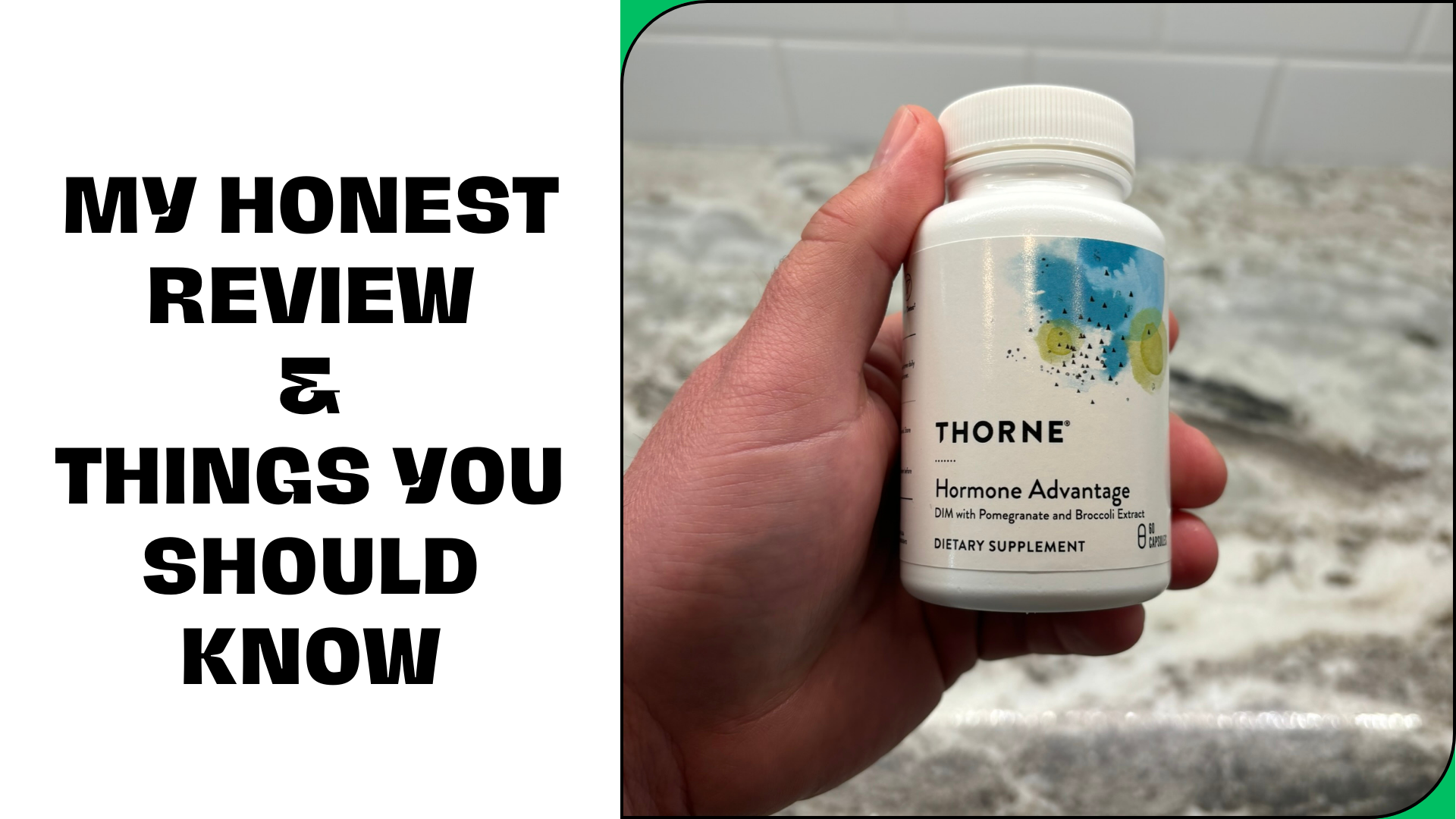
THORNE - Hormone Advantage - Estrogen Support & Hormone Balance for Men & Women* - Featuring DIM & Pomegranate Extract - Gluten, Dairy & Soy-Free - 60 Servings
Buy THORNE - Hormone Advantage - Estrogen Support & Hormone Balance for Men & Women* - Featuring DIM & Pomegranate Extract - Gluten, Dairy & Soy-Free - 60 Servings on Amazon.com ✓ FREE
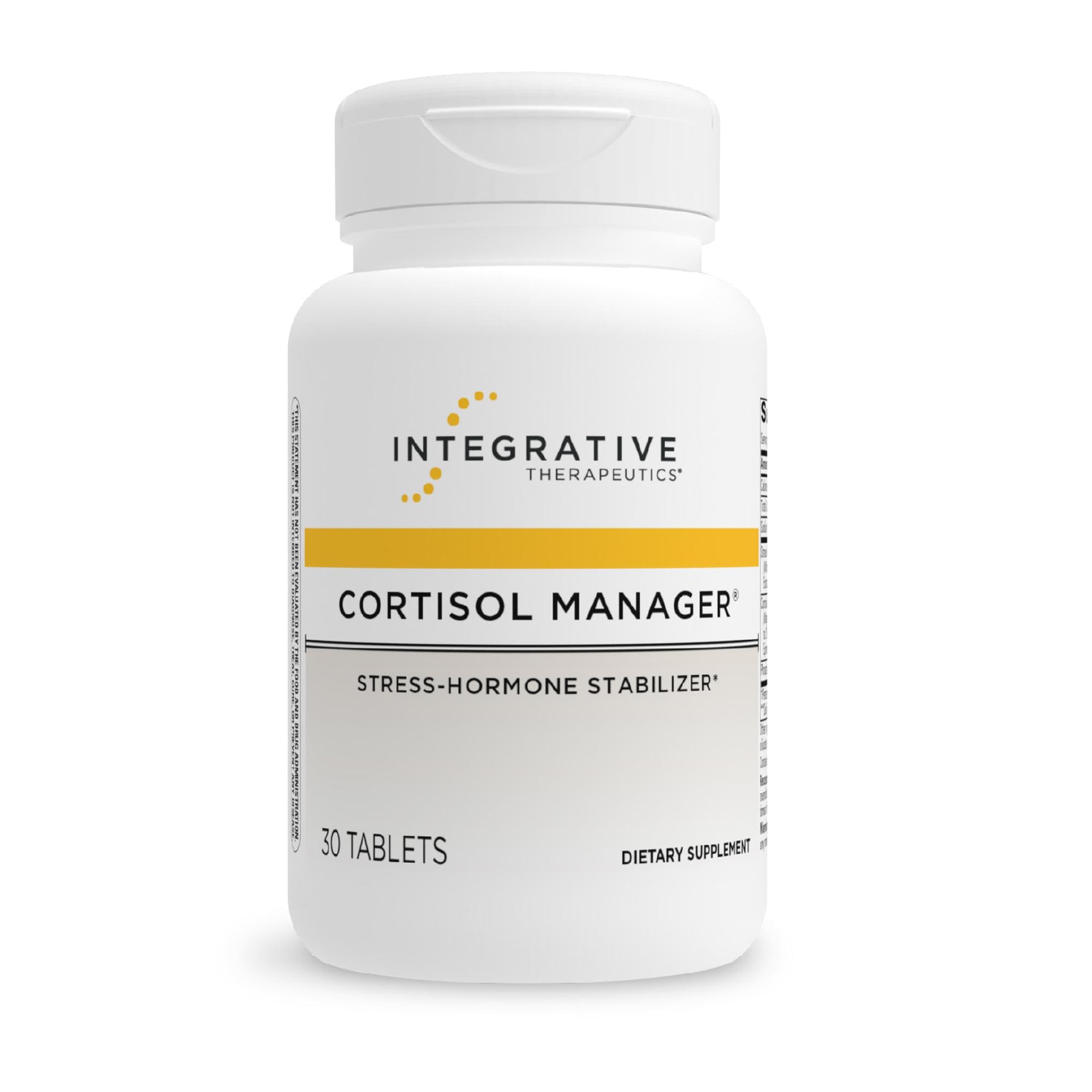
Integrative Therapeutics Cortisol Manager - Balance Cortisol & Support Relaxation for Restful Sleep* - Includes Ashwagandha & L-Theanine for Confidence with Less Stress* - 30 Tablets (15 Servings)
Our best-selling Cortisol Manager <strong>contains proprietary blends of Sensoril brand ashwagandha extract and L-theanine and of Magnolia and epimedium extracts, as well as phosphatidylserine</strong
Evidence & Sources
Promising research with growing clinical support from multiple studies
- North American Menopause Society (now The Menopause Society)
- American College of Obstetricians and Gynecologists (ACOG)
- Endocrine Society
- National Center for Complementary and Integrative Health (NCCIH)
- World Health Organization (WHO)
- Journal of Clinical Endocrinology & Metabolism
- Menopause
- Fertility and Sterility
- The BMJ
- JAMA
This content is for informational purposes only and does not constitute medical advice. Always consult a qualified healthcare provider before starting, stopping, or changing any supplement or medication regimen.