

Heavy Metal Detox
Also known as: metal detox, toxic metal cleanse
Heavy Metal Detox: What the Term Means
Heavy metal detox is a broad term used to describe protocols intended to reduce the body burden of metals such as lead, mercury, arsenic, and cadmium. In conventional medicine, the medically recognized context for removing toxic metals is treatment of confirmed poisoning, most often through carefully monitored chelation therapy or by eliminating the source of exposure. In popular wellness settings, however, the term is often used more loosely to describe supplement programs, restrictive diets, sauna regimens, herbal preparations, or intravenous infusions marketed for “cleansing” the body even when no documented metal toxicity is present.
Heavy metals are a legitimate public health concern. Exposure can occur through occupational settings, contaminated water, industrial pollution, certain foods, tobacco smoke, some traditional remedies, and older consumer products. The health effects depend on the specific metal, dose, duration of exposure, route of exposure, and individual factors such as age, nutritional status, kidney function, and pregnancy status. Research has linked significant exposure to some heavy metals with neurologic, renal, cardiovascular, developmental, and gastrointestinal effects, among others.
A central issue in this topic is the difference between evidence-based diagnosis and broad detox marketing claims. In medicine, heavy metal toxicity is generally assessed through a combination of exposure history, symptoms, physical findings, and validated laboratory testing. By contrast, some alternative protocols rely on nonstandard testing or frame vague symptoms—such as fatigue, brain fog, or headaches—as evidence of metal accumulation without clear confirmation. This distinction matters because interventions aimed at binding or mobilizing metals can carry risks, especially when used outside established clinical indications.
From a broader integrative perspective, interest in heavy metal detox reflects a wider concern about the cumulative effects of the modern environment. Traditional and naturopathic systems often emphasize supporting the body’s natural elimination pathways—including liver, bowel, kidney, skin, and lymphatic function—rather than focusing solely on laboratory-confirmed poisoning. While some of these approaches are rooted in long-standing traditional practices, the scientific evidence for many commercial detox protocols remains limited, mixed, or highly dependent on the exact intervention being studied.
Medical Perspectives
Two Ways of Seeing Health

Western
scientific · clinical
Western medicine applies science, technology, and clinical experience to treat symptoms through testing, diagnosis, and targeted intervention.

Eastern
traditional · alternative
Eastern medicine focuses on treating the body naturally by applying traditional knowledge practiced for thousands of years, emphasizing balance and whole-person wellness.
Gold Bamboo presents both perspectives side-by-side so you can make informed decisions. We don't advocate for one over the other — your health choices are yours.
Western Medicine Perspective
Western / Conventional Medicine Perspective
In conventional medicine, the term “detox” is not typically used as a general wellness concept for metals. The standard framework is heavy metal exposure assessment and poisoning management. Clinicians look for a known source of exposure, characteristic symptoms, and validated testing such as blood lead levels, urine arsenic speciation, or mercury testing in the appropriate clinical context. Importantly, mainstream toxicology does not generally recognize broad, nonspecific symptoms alone as sufficient evidence of clinically meaningful heavy metal toxicity.
When significant poisoning is confirmed, treatment may include removing the exposure source, supportive care, and in selected cases chelation therapy with agents such as EDTA, dimercaprol, succimer, or DMPS in settings where these are medically appropriate. Chelation is a specialized intervention used because some agents can bind metals and increase excretion. However, it is not benign: potential harms can include kidney injury, liver effects, mineral depletion, allergic reactions, gastrointestinal symptoms, and shifts in essential electrolytes. For this reason, medical organizations and toxicology experts generally caution against using chelation or IV detox protocols without a clear indication.
Research supports the benefit of chelation in specific poisonings, but evidence is much weaker for routine detox programs in people without documented toxicity. Major concerns in the literature include the use of provoked urine testing, in which a chelating agent is given before collecting a urine sample, often producing elevated metal excretion that may be misinterpreted as proof of toxicity. Professional societies have criticized this practice as potentially misleading. Overall, conventional medicine views heavy metal detox as legitimate only in clearly defined clinical scenarios, while many consumer detox approaches are considered insufficiently validated.
Eastern & Traditional Perspective
Eastern / Traditional Medicine Perspective
Traditional systems generally do not frame illness in terms of “heavy metals” in the modern toxicology sense, but many do recognize the health effects of environmental burden, contaminated food or water, impaired elimination, and accumulation of harmful substances. In Traditional Chinese Medicine (TCM), symptoms that modern patients may associate with toxicity are more often interpreted through patterns such as dampness, heat, phlegm, blood stasis, or dysfunction in the Lung, Spleen, Liver, and Kidney systems. The goal is typically not metal removal in a laboratory sense, but restoration of balance and support of the body’s transformative and eliminative functions.
In Ayurveda, related concepts may be discussed in terms of ama (toxic or undigested accumulation), weakened agni (digestive/metabolic fire), and impaired tissue or channel function. Herbal medicine, dietary regulation, sweating practices, and cleansing procedures have traditionally been used to support purification and resilience. Naturopathic medicine similarly tends to emphasize reducing exposure while supporting bowel regularity, nutrition, hydration, liver function, and overall detoxification capacity. Some traditional and integrative practitioners also incorporate sauna, sweating, mineral repletion, algae products, fiber, or herbs believed to assist elimination.
The evidence base for these approaches is uneven. Some herbs, foods, and nutritional strategies have been studied for antioxidant effects, support of glutathione pathways, or influence on metal absorption and excretion, but many findings are preliminary, based on animal models, or difficult to generalize to commercial detox regimens. Another important caveat is that some traditional remedies themselves have been found to contain lead, mercury, or arsenic, making quality control and sourcing a major concern. As a result, traditional perspectives often contribute useful concepts about prevention and whole-body support, but claims of directly removing heavy metals are not uniformly supported by high-quality human evidence.
Supplements & Products
Recommended Products
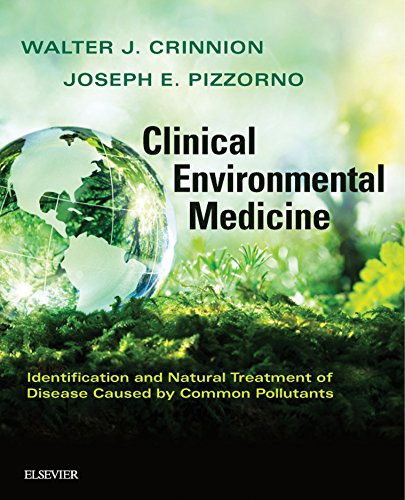
Clinical Environmental Medicine: Identification and Natural Treatment of Diseases Caused by Common Pollutants 1, Crinnion, Walter J., Pizzorno ND, Joseph E. - Amazon.com
The first edition of this text ... authors Walter Crinnion and Joseph E. Pizzorno offer <strong>practical guidance for assessing both total body load as well as specific toxins</strong>....
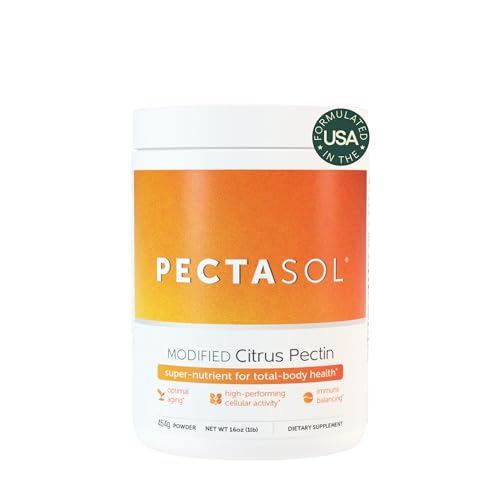
PectaSol Modified Citrus Pectin – 454g Powder – Total-Body Health Supplement to Support the Heart, Immune System, Inflammation Response & Healthy Aging + Maintain Healthy Galectin-3 Levels
PectaSol Modified Citrus Pectin – 270 Capsules – <strong>Total-Body Health Supplement to Support the Heart, Immune System, Inflammation Response & Healthy Aging + Maintain Healthy Galectin-3 Level

Safe Home® Lead in Drinking Water Test Kit – 1 Sample Tested at Our EPA Certified Lab – Home Inspections, Mortgage Loans, Real Estate Transactions – Detection to 1ppb
You can test either your water supply or the Lead being leached from your plumbing fixtures. Safe Home <strong>provides Quality Controls to handling and testing your water samples</strong>, that most
Evidence & Sources
Promising research with growing clinical support from multiple studies
- National Institute of Environmental Health Sciences (NIEHS)
- Agency for Toxic Substances and Disease Registry (ATSDR)
- Centers for Disease Control and Prevention (CDC)
- National Center for Complementary and Integrative Health (NCCIH)
- American College of Medical Toxicology (ACMT)
- World Health Organization (WHO)
- New England Journal of Medicine
- Clinical Toxicology
This content is for informational purposes only and does not constitute medical advice. Always consult a qualified healthcare provider before starting, stopping, or changing any supplement or medication regimen.