

Dry Needling
Also known as: intramuscular stimulation, IMS
Dry Needling Overview
Dry needling is a technique in which a thin, solid filament needle is inserted into myofascial trigger points, taut bands of muscle, or other soft-tissue structures with the goal of reducing pain, improving mobility, and easing muscle tension. The term "dry" distinguishes it from injections, because no medication or fluid is introduced. Although the needles often resemble acupuncture needles, dry needling is typically framed in modern musculoskeletal medicine as a neurophysiologic and biomechanical intervention rather than a treatment based on traditional meridian theory.
Dry needling is most commonly discussed in the context of musculoskeletal pain syndromes, including neck pain, low back pain, shoulder pain, tension-related headaches, temporomandibular discomfort, and sports-related overuse injuries. In rehabilitation settings, it is often used as one component of a broader plan that may also include exercise therapy, manual therapy, movement retraining, and education. Research suggests that some patients experience short-term reductions in pain and perceived muscle tightness, though outcomes vary by condition, technique, practitioner training, and the measures used in studies.
The technique remains an area of active debate because it sits at the intersection of physical therapy, pain medicine, and acupuncture-like needle practice. Professional discussion often centers on how dry needling differs from acupuncture, what level of practitioner training is appropriate, and how strongly the clinical benefits are supported by evidence. From a patient-information perspective, it is important to understand that dry needling is generally presented as a symptom-management and functional-support tool, not as a standalone cure for chronic pain.
Reported adverse effects are usually minor and temporary, such as soreness, bruising, fatigue, or light bleeding at the insertion site. However, as with any needle-based procedure, there are uncommon but potentially serious risks, including infection, nerve irritation, and pneumothorax when needling is performed near the chest wall. For that reason, discussions about dry needling are typically framed with the caveat that it should be performed only by appropriately trained, licensed professionals and considered in the context of an individual’s health status and evaluation by a qualified healthcare provider.
Medical Perspectives
Two Ways of Seeing Health

Western
scientific · clinical
Western medicine applies science, technology, and clinical experience to treat symptoms through testing, diagnosis, and targeted intervention.

Eastern
traditional · alternative
Eastern medicine focuses on treating the body naturally by applying traditional knowledge practiced for thousands of years, emphasizing balance and whole-person wellness.
Gold Bamboo presents both perspectives side-by-side so you can make informed decisions. We don't advocate for one over the other — your health choices are yours.
Western Medicine Perspective
Western / Conventional Medicine Perspective
In conventional medicine, dry needling is generally understood through the lens of myofascial pain, trigger point physiology, and neuromuscular modulation. A trigger point is commonly described as a hyperirritable spot within a taut band of skeletal muscle that may reproduce local or referred pain when stimulated. Proposed mechanisms for dry needling include disruption of dysfunctional motor end plates, changes in local blood flow, reduction in spontaneous electrical activity, and modulation of pain processing through peripheral and central nervous system effects. Studies also explore whether eliciting a local twitch response may correlate with symptom relief, though this remains an evolving area of research.
Clinical research suggests that dry needling may provide short-term benefit for some forms of musculoskeletal pain, particularly when used alongside rehabilitation strategies such as therapeutic exercise or manual therapy. Systematic reviews and meta-analyses have reported modest improvements in pain intensity and pressure pain thresholds in certain conditions, especially myofascial neck and shoulder pain. At the same time, evidence quality is often limited by small sample sizes, inconsistent protocols, lack of standardized sham controls, and difficulty separating the specific physiologic effects of needling from contextual or placebo-related effects.
Conventional practice also emphasizes screening, contraindications, and safety. Needle-based interventions may not be appropriate in all clinical contexts, including some bleeding disorders, anticoagulant use, localized infection, certain pregnancy-related considerations depending on site, severe needle phobia, or inability to provide informed consent. Because evidence is condition-specific and not uniformly strong, conventional medicine generally views dry needling as an adjunctive technique rather than a primary solution, with appropriateness best assessed by a licensed clinician familiar with the patient’s diagnosis, anatomy, and overall care plan.
Eastern & Traditional Perspective
Eastern / Traditional Medicine Perspective
From an Eastern and traditional medicine perspective, dry needling overlaps visibly with acupuncture because both use similar fine needles inserted into the body. However, the conceptual frameworks differ. In Traditional Chinese Medicine (TCM), needle therapy is traditionally understood in terms of regulating the flow of Qi and Blood, harmonizing organ systems, and addressing patterns such as stagnation, deficiency, heat, cold, or dampness. Muscle tightness and pain may be interpreted as forms of Qi and Blood stagnation in the channels and collaterals, and needling may be used to restore smoother circulation and reduce pain.
Some practitioners note that many myofascial trigger points correspond anatomically to classical or extra acupuncture points, while others do not map neatly onto traditional meridians. This has led to ongoing dialogue about whether dry needling is best seen as a modern reinterpretation of needling techniques long present in East Asian medicine, or as a distinct musculoskeletal procedure that merely shares instruments. Historically, East Asian medicine has included methods for treating painful, tender, or knotted areas with needles, so there is meaningful conceptual overlap even when terminology differs.
In Ayurveda, pain and muscular constriction may be discussed in relation to Vata imbalance, tissue dryness, overuse, or obstruction in bodily channels, while bodywork, heat, herbal measures, and specialized point-based therapies may be considered within a broader constitutional framework. In naturopathic and integrative medicine, dry needling or acupuncture-like interventions may be interpreted as tools to support neuromuscular relaxation, circulation, and functional recovery, often alongside exercise, lifestyle, and manual approaches. Across traditional systems, the emphasis is typically on pattern recognition and whole-person context, rather than isolated trigger point pathology alone.
Traditional perspectives generally regard needle-based therapy as part of a broader therapeutic system, not an isolated mechanical act. As with conventional practice, appropriate training, anatomical knowledge, and individualized assessment are considered important, and consultation with qualified healthcare professionals remains relevant when evaluating whether needle-based therapies fit a person’s overall care context.
Supplements & Products
Recommended Products

Trigger Point Dry Needling E-Book: An Evidence and Clinical-Based Approach eBook : Dommerholt, Jan, Penas, Cesar Fernandez de las: Kindle Store
by Jan Dommerholt (Editor), Cesar ... · This exciting new publication is <strong>the first authoritative resource on the market with an exclusive focus on Trigger Point ((TrP) dry needling</strong>...
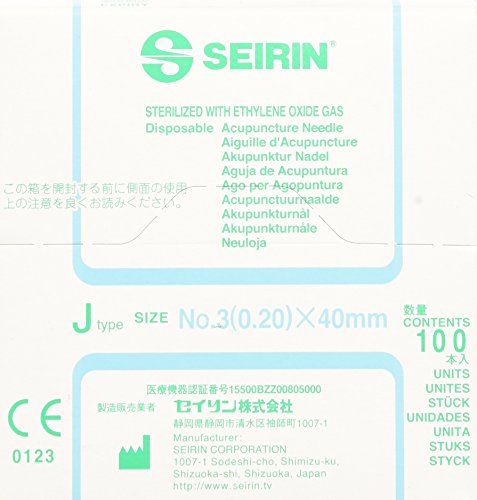
Seirin Accupuncture Needles 0.20mm x 40mm
Box of 100 <strong>sterile, disposable needles</strong>.

BD Nestable Sharps Container, 1.5 qt, Pre-Assembled, One-Way Funnel, Latex-Free
BD Nestable Sharps Container, 1.5 qt, Pre-Assembled, One-Way Funnel, Latex-Free, 1 Count ... Sharps Container Small - Sharps Containers for Home Use and Labs - Portable Needle Disposal and Travel Size
Evidence & Sources
Promising research with growing clinical support from multiple studies
- Journal of Orthopaedic & Sports Physical Therapy
- American Physical Therapy Association
- National Center for Complementary and Integrative Health (NCCIH)
- BMJ Open
- Pain Medicine
- The Journal of Manual & Manipulative Therapy
- Cochrane Library
- World Health Organization (WHO)
This content is for informational purposes only and does not constitute medical advice. Always consult a qualified healthcare provider before starting, stopping, or changing any supplement or medication regimen.