

Diaphragmatic Breathing
Also known as: Belly Breathing, Abdominal Breathing, Deep Breathing
Overview
Diaphragmatic breathing—sometimes called abdominal breathing, belly breathing, or deep breathing—is a breathing pattern that emphasizes fuller movement of the diaphragm, the primary muscle of respiration, rather than relying mainly on the upper chest and accessory neck or shoulder muscles. In this pattern, inhalation is associated with expansion of the lower rib cage and abdomen, while exhalation tends to be slower and more relaxed. It is widely used as a self-regulation practice in stress management, mind-body medicine, rehabilitation, meditation training, and some forms of physical therapy.
Interest in diaphragmatic breathing has grown because breathing is one of the few autonomic bodily functions that can also be consciously modulated. Research suggests that slower, more controlled breathing may influence the autonomic nervous system, particularly by supporting parasympathetic activity and reducing physiologic markers of stress in some individuals. For this reason, diaphragmatic breathing is commonly explored for relaxation, anxiety reduction, vagal regulation, sleep preparation, and emotional regulation, and it is also studied in people with respiratory disorders, chronic pain, hypertension, and functional gastrointestinal complaints.
From a mechanical standpoint, diaphragmatic breathing may improve ventilatory efficiency by encouraging more effective expansion of the lungs, especially the lower regions where blood flow is often greater. It may also reduce overuse of accessory breathing muscles, which can contribute to sensations of tightness or effortful breathing in stressed or deconditioned individuals. However, the effects vary by person and context. In some settings, especially in those with active respiratory disease, panic symptoms, or dysfunctional breathing patterns, breathing retraining may need individualization and clinical supervision.
Overall, diaphragmatic breathing occupies an important space between well-established physiology and broader mind-body practice. It is simple, low-cost, and culturally adaptable, appearing in both modern clinical settings and longstanding traditional systems such as yoga, qigong, and meditation lineages. While it is not a cure-all, the practice is supported by a meaningful body of research suggesting benefits for relaxation and stress physiology, with ongoing study into its role across mental and physical health.
Medical Perspectives
Two Ways of Seeing Health

Western
scientific · clinical
Western medicine applies science, technology, and clinical experience to treat symptoms through testing, diagnosis, and targeted intervention.

Eastern
traditional · alternative
Eastern medicine focuses on treating the body naturally by applying traditional knowledge practiced for thousands of years, emphasizing balance and whole-person wellness.
Gold Bamboo presents both perspectives side-by-side so you can make informed decisions. We don't advocate for one over the other — your health choices are yours.
Western Medicine Perspective
Western Medicine Perspective
In conventional medicine, diaphragmatic breathing is understood primarily through respiratory mechanics, autonomic regulation, and psychophysiology. The diaphragm is the body’s main breathing muscle, and efficient diaphragmatic motion supports effective air exchange with less reliance on accessory muscles of the chest, shoulders, and neck. Clinicians may incorporate diaphragmatic breathing into pulmonary rehabilitation, physical therapy, speech therapy, behavioral medicine, and psychotherapy, especially when addressing breathlessness, hyperventilation patterns, stress-related symptoms, or recovery from illness.
Research indicates that slow diaphragmatic breathing may help modulate the stress response by affecting heart rate variability, baroreflex function, and perceived anxiety. It is frequently included in evidence-informed approaches such as relaxation training, biofeedback, cognitive behavioral therapy adjuncts, trauma-informed stabilization work, and mindfulness-based interventions. Some studies suggest improvements in subjective stress, blood pressure, respiratory comfort, and emotional regulation, though outcomes depend on breathing rate, technique, practice context, and population studied.
Conventional medicine also recognizes limitations. Not every person benefits from the same breathing style, and some may experience lightheadedness, air hunger, or heightened body awareness when first attempting breath-focused practices. In people with asthma, COPD, panic disorder, postural dysfunction, or chronic hyperventilation tendencies, the broader breathing pattern and underlying condition may matter more than simply “breathing deeply.” As a result, diaphragmatic breathing is generally viewed as a supportive technique rather than a stand-alone treatment, and persistent cardiopulmonary or anxiety symptoms warrant assessment by a qualified healthcare professional.
Eastern & Traditional Perspective
Eastern and Traditional Medicine Perspective
In Traditional Chinese Medicine (TCM) and related East Asian practices, breathing is closely linked with the movement of qi, regulation of the nervous system, and harmony between the organ systems—particularly the Lung, Kidney, and Heart functional networks. Lower, steadier breathing is often associated with grounding and helping qi descend, while shallow, agitated breathing may be interpreted as a sign of imbalance, constraint, or depletion. Practices such as qigong, tai chi, seated meditation, and certain breath-coordinated movement systems have long emphasized relaxed diaphragmatic breathing as a way to settle the mind and support whole-body regulation.
In yogic traditions and Ayurveda, diaphragmatic breathing overlaps with elements of pranayama, in which breath is seen as a bridge between body, mind, and subtle vital force. Slow, controlled breathing is traditionally used to calm mental fluctuations, cultivate steadiness, and support resilience to stress. Ayurveda may frame breath practices in terms of balancing prana vata and promoting coordinated flow within the body. Although these systems use concepts that differ from modern biomedicine, the practical goal often resembles contemporary relaxation training: less reactivity, improved internal awareness, and more efficient breathing.
Naturopathic and integrative medicine traditions frequently view diaphragmatic breathing as a foundational mind-body regulation tool that may complement broader lifestyle and restorative practices. Across these traditions, emphasis is usually placed on gentleness, regularity, posture, and awareness rather than forceful effort. Traditional frameworks tend to see the breath not only as a mechanical act of ventilation, but also as a central influence on emotional balance, vitality, and mind-body integration. These interpretations are historically important and widely practiced, though not all traditional explanatory models have been validated in biomedical terms.
Supplements & Products
Recommended Products
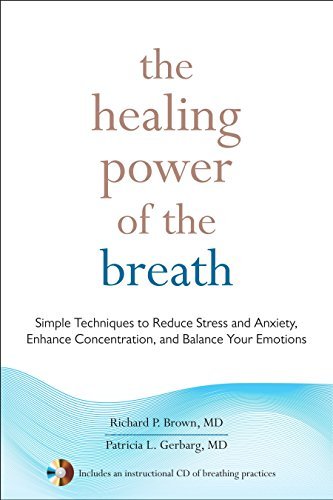
The Healing Power of the Breath: Simple Techniques to Reduce Stress and Anxiety, Enhance Concentration, and Balance Your Emotions (Audible Audio Edition): Richard Brown, Patricia Gerbarg, Richard Brown, Patricia Gerbarg, Shambhala Publications
Amazon.com: The Healing Power of the Breath: <strong>Simple Techniques to Reduce Stress and Anxiety, Enhance Concentration, and Balance Your Emotions</strong> (Audible Audio Edition): Richard Brown, P
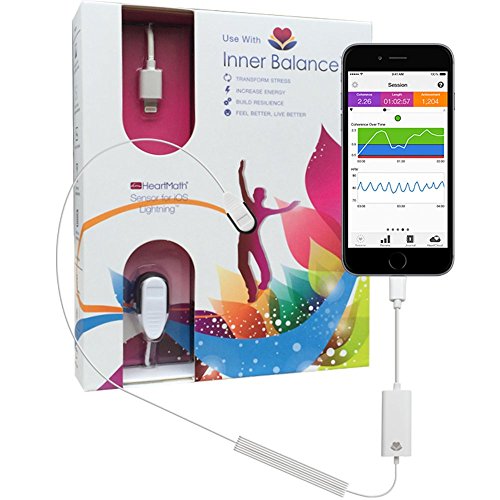
HeartMath Inner Balance Lightning
Research shows that when we are ... improved cognitive function. Inner Balance <strong>uses HeartMath's patented technology to monitor the subtle beat-to-beat changes in your heart rhythms</stron

THE BREATHER │ Natural Breathing Exerciser Trainer For Drug-Free Respiratory Therapy │ Breathe Easier with Stronger Lungs │ Guided Mobile Training App Included
Inhale Respiratory Trainer | Lung Strengthening Breathing Exercise Device | Made in USA | Adjustable Bi-Directional Resistance | Medical Grade Silicone Mouthpiece | Carrying Case Included · FBLFOBELI
Evidence & Sources
Promising research with growing clinical support from multiple studies
- NCCIH (National Center for Complementary and Integrative Health)
- Journal of Clinical Medicine
- Frontiers in Psychology
- Breathe
- American Thoracic Society
- Journal of Alternative and Complementary Medicine
- Harvard Health Publishing
- World Health Organization
This content is for informational purposes only and does not constitute medical advice. Always consult a qualified healthcare provider before starting, stopping, or changing any supplement or medication regimen.