

Detox Binder Protocol
Also known as: Binder Detox, Toxin Binder Protocol, Charcoal Detox Protocol
Overview
A detox binder protocol generally refers to the use of orally consumed substances that are intended to bind compounds within the gastrointestinal tract so they can be carried out of the body in stool rather than reabsorbed. Commonly discussed binders include activated charcoal, bentonite clay, zeolite materials, modified citrus pectin, chlorella, and prescription bile acid sequestrants such as cholestyramine in certain medical contexts. Interest in binder protocols is especially common in discussions of mold exposure, environmental illness, biotoxin-related symptoms, gastrointestinal dysbiosis, and so-called “Herxheimer” or die-off reactions.
From a physiological standpoint, the concept is most plausible when a substance is present in the gut lumen and is capable of being adsorbed or bound there. This is the reason activated charcoal has a well-established role in selected poisoning emergencies and why some prescription binders are used for bile acids or certain toxin-related conditions. In broader wellness and integrative medicine settings, however, the term “detox” is used more loosely. Claims may extend beyond what has been clearly established in human research, particularly when protocols are said to remove unspecified “toxins” from the blood, tissues, or organs.
Public interest in binder protocols has expanded alongside awareness of indoor mold, mycotoxins, persistent organic pollutants, heavy metals, and inflammatory symptom syndromes. Some clinicians and patients report symptomatic improvement when binders are used as part of larger programs that may also include dietary modification, bowel regularity support, hydration, environmental remediation, and treatment of confirmed underlying illness. At the same time, scientific support varies considerably depending on the specific binder, the toxin involved, and the clinical condition being addressed.
An important limitation is that binders are not inherently selective. In addition to compounds of concern, they may also bind medications, supplements, bile acids, and nutrients, and they may cause side effects such as constipation, nausea, abdominal discomfort, or altered absorption. Because many marketed detox protocols combine multiple products and broad claims, the evidence base is often difficult to interpret. For that reason, a balanced view distinguishes between well-established toxin-binding uses in conventional toxicology and the more exploratory or traditional uses promoted in environmental and integrative health circles.
Medical Perspectives
Two Ways of Seeing Health

Western
scientific · clinical
Western medicine applies science, technology, and clinical experience to treat symptoms through testing, diagnosis, and targeted intervention.

Eastern
traditional · alternative
Eastern medicine focuses on treating the body naturally by applying traditional knowledge practiced for thousands of years, emphasizing balance and whole-person wellness.
Gold Bamboo presents both perspectives side-by-side so you can make informed decisions. We don't advocate for one over the other — your health choices are yours.
Western Medicine Perspective
Western Medicine Perspective
In conventional medicine, the strongest support for binder use comes from specific, defined indications rather than generalized detoxification. Activated charcoal is used in emergency toxicology for certain acute ingestions, where timing, toxin type, airway safety, and clinical context determine whether it is appropriate. Cholestyramine and other bile acid sequestrants are established pharmaceutical binders used for conditions such as bile acid-related disorders and have also been investigated in selected toxin-related settings because some compounds undergo enterohepatic recirculation. In this framework, the central scientific question is whether the targeted compound is actually present in the gut and can be meaningfully interrupted there.
For broader concerns such as mold-related illness, mycotoxin exposure, chronic inflammatory symptoms, or Herxheimer-like reactions, evidence is much more limited and mixed. Studies in food safety, animal science, and environmental health suggest that some materials can adsorb certain toxins under laboratory or agricultural conditions. However, translating those findings into reliable human clinical benefit is challenging. Human studies are often small, heterogeneous, or focused on narrow toxin categories. Major conventional organizations generally do not recognize generalized detox binder protocols as standard treatment for environmental illness, and they emphasize evaluation of exposure source, toxicology, organ function, and established medical causes of symptoms.
Conventional safety concerns also matter. Oral binders may interfere with prescription medications, including drugs with narrow therapeutic windows, and may reduce absorption of some nutrients or supplements. There are also product-quality considerations, especially with non-pharmaceutical clays or mineral products, which in some cases have raised concerns about contamination with lead or other heavy metals. From a Western medical standpoint, binder protocols are therefore viewed as condition-specific tools at best, rather than universal detoxification solutions, and any use is best interpreted within the broader context of exposure assessment and medical supervision.
Eastern & Traditional Perspective
Eastern and Traditional Medicine Perspective
In Traditional Chinese Medicine (TCM) and Ayurveda, the modern phrase “detox binder protocol” does not have a direct classical equivalent, but the underlying idea overlaps with longstanding traditions of supporting the body’s elimination pathways, digestive integrity, and recovery from environmental or dietary burden. TCM commonly frames these patterns in terms such as dampness, phlegm, heat, turbidity, and impaired transformation and transportation, with therapeutic emphasis on restoring digestive function and facilitating orderly elimination. Ayurveda may discuss comparable themes through ama (poorly processed metabolic residue), impaired agni (digestive fire), and disturbed channels of elimination.
Within these systems, healing traditions have generally focused less on “binding toxins” in the modern chemical sense and more on reducing burden, improving digestive processing, supporting stool regularity, and calming systemic imbalance. Herbal formulas, mineral substances, fibers, and food-based agents have traditionally been used to absorb, soothe, purge, or eliminate unwanted substances from the digestive tract. Contemporary integrative practitioners sometimes map modern binders like charcoal, clay, algae-derived compounds, or pectin onto these traditional goals, especially in cases associated with environmental reactivity, digestive distress, or symptom flares after antimicrobial therapies.
Naturopathic and functional traditions often bridge Eastern and Western ideas by viewing binders as one component of a broader terrain-based strategy. In that model, the emphasis may include source reduction, gut barrier support, liver and bile flow considerations, bowel motility, hydration, and constitutional resilience. Research supporting these broader frameworks remains variable, and many applications are based on clinical tradition, mechanistic reasoning, or practitioner experience rather than large randomized trials. As with conventional medicine, traditional systems generally place importance on individual constitution and context, rather than treating all symptom patterns as the same kind of “toxicity.”
Supplements & Products
Recommended Products

Toxic, 2nd Edition: Heal Your Body from Mold Toxicity, Lyme Disease, Multiple Chemical Sensitivities, and Chronic Environmental Illness: Nathan, Neil
Neil Nathan <strong>delves deeper into the harmful impact of chronic inflammation in driving disease and presents the latest information that can help both doctors and patients achieve faster and more
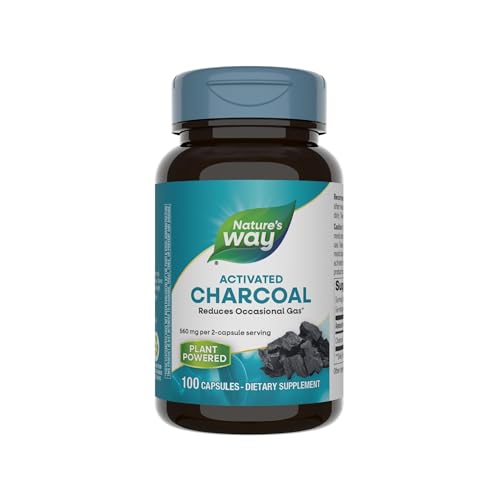
Nature's Way Activated Charcoal, Binds Unwanted Materials and Gas in the Digestive Tract*, 560 mg per 2-Capsule Serving, 100 Capsules (Packaging May Vary)
NaturaLife Labs Activated Charcoal 1200 mg per Serving – from Coconut Shells – 100 Veg Capsules – Non-GMO, Gluten-Free, Vegan ... NOW Foods Supplements, Activated Charcoal Made from Coconut Shells, No
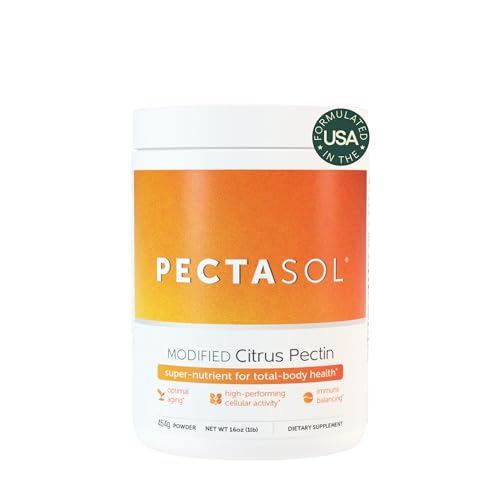
PectaSol Modified Citrus Pectin – 150g Powder – Total-Body Health Supplement to Support The Heart, Immune System, Inflammation Response & Healthy Aging + Maintain Healthy Galectin-3 Levels
PectaSol Modified Citrus Pectin – 90 Capsules – <strong>Total-Body Health Supplement to Support the Heart, Immune System, Inflammation Response & Healthy Aging + Maintain Healthy Galectin-3 Levels
Evidence & Sources
Promising research with growing clinical support from multiple studies
- National Center for Complementary and Integrative Health (NCCIH)
- World Health Organization (WHO)
- American Academy of Clinical Toxicology
- European Association of Poisons Centres and Clinical Toxicologists
- New England Journal of Medicine
- Clinical Toxicology
- The Lancet
- Journal of Medical Toxicology
- Food and Chemical Toxicology
- Centers for Disease Control and Prevention (CDC)
This content is for informational purposes only and does not constitute medical advice. Always consult a qualified healthcare provider before starting, stopping, or changing any supplement or medication regimen.