

Colon Hydrotherapy
Also known as: Colonics, Colonic Irrigation, Colon Cleanse Therapy
Overview
Colon hydrotherapy—also called colonic irrigation or colon cleansing—is a procedure in which warm, filtered water is introduced into the rectum and colon, typically through specialized equipment, with the aim of flushing out stool and intestinal contents. It is most often offered in wellness, spa, integrative, or alternative medicine settings rather than in standard medical practice. People commonly seek information about colon hydrotherapy in connection with constipation, bloating, perceived “detoxification,” or as part of broader digestive reset or cleansing programs.
From a historical perspective, the idea of cleansing the bowel has roots in many cultures and healing traditions, although modern colon hydrotherapy is a more recent, device-based adaptation of older enema practices. Interest in the procedure is often linked to the belief that removing retained waste may improve digestive comfort, energy, skin health, or overall well-being. However, these broader wellness claims are not strongly supported by high-quality clinical evidence, and the concept of “toxins” being removed through routine colon cleansing is not aligned with how conventional physiology understands detoxification. In western medicine, the liver, kidneys, gastrointestinal tract, and immune system are generally viewed as the body’s primary systems for processing and eliminating waste.
The procedure itself varies by setting and practitioner. Sessions may involve repeated cycles of water infusion and release, sometimes accompanied by abdominal massage or adjunctive wellness practices. Some programs combine colon hydrotherapy with fasting, supplements, restrictive diets, or herbal protocols. Safety and quality can depend heavily on the equipment used, practitioner training, hygiene standards, and the health status of the individual. Reported adverse effects in the medical literature include cramping, nausea, vomiting, diarrhea, dehydration, electrolyte imbalance, rectal irritation, infection risk, and—rarely—bowel perforation or other serious complications.
Because of these considerations, colon hydrotherapy occupies a controversial space: it remains popular in some holistic wellness circles, yet major conventional medical organizations generally do not endorse it as a routine health practice. Research on its effectiveness for general detoxification or digestive wellness is limited, and evidence is not robust enough to establish broad health benefits. As with many complementary practices, a balanced view recognizes both its cultural and wellness appeal and the importance of evaluating potential risks, quality of evidence, and individual medical context in consultation with a qualified healthcare professional.
Medical Perspectives
Two Ways of Seeing Health

Western
scientific · clinical
Western medicine applies science, technology, and clinical experience to treat symptoms through testing, diagnosis, and targeted intervention.

Eastern
traditional · alternative
Eastern medicine focuses on treating the body naturally by applying traditional knowledge practiced for thousands of years, emphasizing balance and whole-person wellness.
Gold Bamboo presents both perspectives side-by-side so you can make informed decisions. We don't advocate for one over the other — your health choices are yours.
Western Medicine Perspective
Western Medicine Perspective
In conventional medicine, the colon is understood as a vital organ involved in water absorption, electrolyte balance, stool formation, and housing the gut microbiome. Routine cleansing of the colon is generally not considered necessary for health maintenance. Outside of specific medical contexts—such as bowel preparation before colonoscopy or surgery—mechanical cleansing of the colon is not a standard treatment for general wellness, detoxification, or prevention of disease. Medical concerns about colon hydrotherapy center on the possibility that repeated irrigation may disrupt normal fluid balance, irritate the intestinal lining, and alter the gut environment rather than improve it.
Research evaluating colon hydrotherapy is limited and methodologically weak overall. Studies do not provide strong evidence that the procedure improves systemic health, removes undefined toxins, boosts immunity, or treats chronic digestive disorders in a reliable way. For constipation, conventional care typically focuses on identifying underlying causes, which may include diet, medications, pelvic floor dysfunction, irritable bowel syndrome, hypothyroidism, neurologic conditions, or structural gastrointestinal issues. In this framework, persistent constipation or bloating is generally seen as a symptom requiring evaluation rather than as evidence of toxin accumulation.
Published case reports and reviews have described potential complications including abdominal pain, vomiting, severe electrolyte disturbances, infection, colitis, rectal injury, and perforation. Risk may be higher in people with inflammatory bowel disease, diverticulitis, severe hemorrhoids, prior bowel surgery, kidney disease, heart disease, or other medically complex conditions. Conventional clinicians therefore tend to approach colon hydrotherapy cautiously, emphasizing that any invasive bowel procedure carries risk and that symptoms such as constipation, abdominal pain, or changes in bowel habits warrant proper medical assessment.
Eastern & Traditional Perspective
Eastern and Traditional Medicine Perspective
In traditional and integrative systems, bowel health is often viewed as closely linked to overall vitality. Although modern colon hydrotherapy as practiced in wellness clinics is not a classic therapy in most ancient traditions, the broader concept of clearing the bowels appears in several systems. In Ayurveda, cleansing practices may be understood through the lens of reducing accumulated ama (a concept often translated as metabolic residue or undigested matter) and restoring digestive balance, especially in structured purification programs such as Panchakarma. Traditional Ayurvedic approaches, however, more commonly involve individualized use of oils, herbs, diet, and therapeutic enemas (basti) rather than modern machine-based colonic irrigation.
In Traditional Chinese Medicine (TCM), digestive function is often discussed in terms of harmony among the Spleen, Stomach, Large Intestine, Liver, and Qi movement. Constipation, bloating, or sluggish elimination may be interpreted as patterns such as heat, dryness, Qi stagnation, or deficiency. From this perspective, supporting elimination can be part of restoring balance, but treatment classically relies more on herbal formulas, acupuncture, dietary therapy, and pattern-based diagnosis than on colon hydrotherapy itself. Some contemporary integrative practitioners may incorporate colon hydrotherapy into detox or seasonal reset programs, but this is best understood as a modern wellness adaptation rather than a core traditional practice.
In naturopathic and holistic medicine, colon hydrotherapy is sometimes framed as a method to support elimination and digestive reset, especially when paired with attention to hydration, food quality, stress, and microbiome support. Advocates often describe subjective benefits such as lightness or temporary relief of fullness. At the same time, responsible integrative practitioners generally acknowledge that individual tolerance varies, that scientific evidence is limited, and that therapies involving the colon require careful screening and professional oversight. Across traditional frameworks, the most consistent theme is not routine cleansing for everyone, but rather the idea that digestive regularity and balanced elimination are important markers of health.
Supplements & Products
Recommended Products

Colon Health Key to Vibrant Life: Dr. Norman W. Walker
<strong>Learn how through proper care of the colon you can prevent and experience relief from constipation, asthma, colds, allergies, respiratory disorders, digestive problems and numerous other ailme
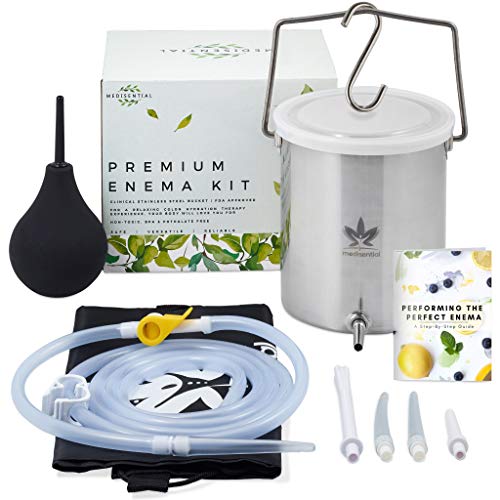
Medisential Enema Kit - Suitable for Coffee, Water and Gerson Therapy - Stainless Steel Bucket - Large for Home Use - Relaxing and Comfortable to Use - with Full Instructions Manual & Enema Bulb
Prolong the life of your bucket with spare silicone washers and a tool included to replace functional parts of the kit. All parts are durable and have been rigorously tested. Replacement parts availab

Himalaya Organic Triphala, 2 Month Supply, for Colon Cleanse, Detox & Occasional Constipation, USDA Certified Organic, Non-GMO, Gluten-Free, Extract & Powder Herbal Supplement, 688 mg, 60 Caplets
Himalaya Organic Triphala <strong>supports digestion, helps reduce occasional bloating, tones the intestines to support regularity, removes stagnant waste, and supports easy colon cleansing</strong>.*
Evidence & Sources
Early-stage research, mostly preclinical or preliminary human studies
- U.S. Food and Drug Administration (FDA)
- National Center for Complementary and Integrative Health (NCCIH)
- Mayo Clinic
- American Journal of Gastroenterology
- The Journal of Family Practice
- British Journal of General Practice
- American Society of Colon and Rectal Surgeons
- Cleveland Clinic
This content is for informational purposes only and does not constitute medical advice. Always consult a qualified healthcare provider before starting, stopping, or changing any supplement or medication regimen.