

Coherent Breathing
Also known as: Resonant Breathing, HRV Breathing, 6 Breaths Per Minute Breathing
Overview
Coherent breathing is a structured breathing practice in which inhalation and exhalation are slowed and regularized, often to about five to six breaths per minute. This pace is commonly discussed because it appears to align with a frequency at which the cardiovascular and respiratory systems can synchronize efficiently, sometimes described in research as a resonance effect. People often explore coherent breathing as a non-pharmacologic way to support stress regulation, emotional steadiness, heart rate variability (HRV), and autonomic nervous system balance.
Interest in coherent breathing has grown alongside broader research on mind-body medicine, biofeedback, vagal regulation, and breathwork. In practical terms, the method usually emphasizes smooth, even breathing without strain, breath-holding, or forced hyperventilation. It is frequently used in settings related to stress management, performance training, meditation, trauma-informed self-regulation, and integrative health, although protocols vary. Some approaches pair the breathing rhythm with visual pacing, guided audio, or HRV biofeedback technology.
From a physiologic standpoint, coherent breathing is often associated with changes in the parasympathetic branch of the autonomic nervous system, baroreflex function, and the oscillatory relationship between breathing, heart rate, and blood pressure. Research suggests that slow breathing may increase respiratory sinus arrhythmia and improve markers of autonomic flexibility in some individuals. These effects help explain why the practice is commonly discussed in relation to anxiety, stress reactivity, sleep quality, blood pressure regulation, and emotional regulation, though outcomes differ by population and study design.
Coherent breathing is generally presented as a supportive self-regulation practice rather than a stand-alone medical treatment. While many people find it calming, it is not universally comfortable, and some individuals may experience lightheadedness, air hunger, or increased awareness of bodily sensations. For people with cardiopulmonary conditions, panic symptoms, trauma-related disorders, or complex medical concerns, the broader context matters, and any breathing-based practice is best considered in conversation with a qualified healthcare professional.
Medical Perspectives
Two Ways of Seeing Health

Western
scientific · clinical
Western medicine applies science, technology, and clinical experience to treat symptoms through testing, diagnosis, and targeted intervention.

Eastern
traditional · alternative
Eastern medicine focuses on treating the body naturally by applying traditional knowledge practiced for thousands of years, emphasizing balance and whole-person wellness.
Gold Bamboo presents both perspectives side-by-side so you can make informed decisions. We don't advocate for one over the other — your health choices are yours.
Western Medicine Perspective
Western Medicine Perspective
In conventional and integrative medicine, coherent breathing is typically understood through the lens of autonomic physiology. Slow breathing at roughly 0.1 Hz—about six breaths per minute—has been studied for its influence on heart rate variability, baroreflex sensitivity, gas exchange, and stress-related symptoms. Researchers have proposed that this breathing rate may create a favorable interaction between respiration and cardiovascular rhythms, helping the body shift toward a state associated with calmer arousal and improved autonomic regulation.
Clinical and experimental studies suggest that slow-paced breathing may be associated with benefits in areas such as perceived stress, anxiety symptoms, blood pressure, and HRV-related measures. It is also commonly incorporated into HRV biofeedback, a modality studied in behavioral medicine, sports psychology, and some mental health settings. However, the evidence base is mixed in strength: some studies are small, use different breathing protocols, or combine breathing with other interventions, making it difficult to isolate the effect of coherent breathing alone. HRV itself is also a complex biomarker, and improvements in HRV do not always translate neatly into clinical outcomes.
From a safety and clinical-use perspective, coherent breathing is generally viewed as a low-risk supportive intervention when practiced gently. At the same time, western clinicians recognize that breathing techniques are not neutral for everyone. In some people—especially those with panic disorder, respiratory disease, trauma sensitivity, or certain cardiac conditions—focused breath practices can temporarily increase discomfort or symptom awareness. For that reason, conventional medicine tends to frame coherent breathing as a potentially useful adjunct within a broader care plan, rather than as a replacement for evaluation or treatment when symptoms are significant or persistent.
Eastern & Traditional Perspective
Eastern and Traditional Medicine Perspective
In Traditional Chinese Medicine (TCM), slow and regulated breathing is often understood as a way of harmonizing Qi, calming the Shen (spirit or mind), and supporting the functional balance of organ systems involved in emotional and energetic regulation. Although the modern term coherent breathing is not a classical TCM diagnosis or formula, its principles overlap with longstanding practices in qigong, daoist breathing, and meditative breath cultivation, where smooth, unforced breathing is traditionally used to settle internal agitation and support resilience.
In Ayurveda and yoga traditions, coherent breathing resembles aspects of pranayama, particularly gentler forms emphasizing lengthened, even inhalation and exhalation. These systems often describe breath as a bridge between body and mind, with slow rhythmic breathing thought to influence prana, mental clarity, and the balance of the nervous system. Traditional teachings frequently associate calm, regular breathing with reduced reactivity, steadier attention, and improved capacity for meditation. Contemporary yoga therapy sometimes interprets these effects in parallel with modern concepts such as vagal tone and autonomic balance.
In naturopathic and integrative traditions, coherent breathing is often viewed as a foundational self-regulation tool that may complement broader lifestyle approaches involving sleep, movement, mindfulness, and stress reduction. Across these traditions, the emphasis is usually on consistency, ease, and non-force rather than intense manipulation of the breath. Even within traditional systems, however, breath practices are generally individualized; what is calming for one person may feel overstimulating or uncomfortable for another, particularly in the presence of underlying health conditions. Consultation with a knowledgeable practitioner may help place the practice in appropriate context.
Supplements & Products
Recommended Products
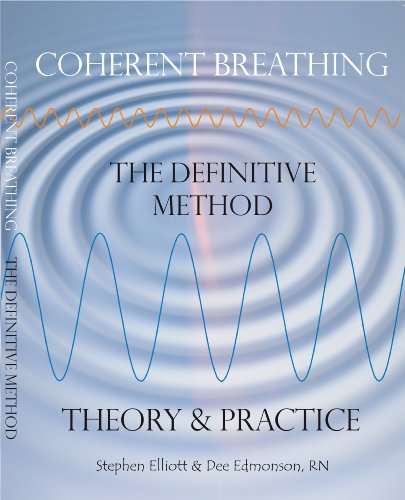
Coherent Breathing: The Definitive Method - Theory and Practice: Stephen Elliott, Dee Edmonson
<strong>Coherent Breathing - The Definitive Method</strong> (2008) is the 2nd book by Stephen Elliott with Dee Edmonson, RN.
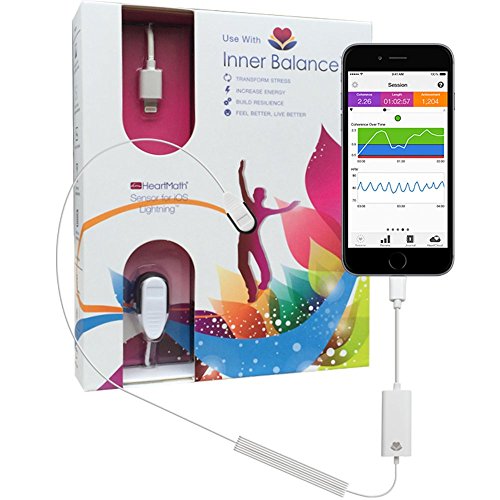
HeartMath Inner Balance Lightning
Research shows that when we are ... improved cognitive function. Inner Balance <strong>uses HeartMath's patented technology to monitor the subtle beat-to-beat changes in your heart rhythms</stron

RESPeRATE Ultra Blood Pressure Lowering Device - Doctor Recommended Non-Drug Medical Device - Clinically Proven to Lower Blood Pressure Naturally - Just 15 Minutes a Day
Clinical studies have shown that RESPeRATE delivers significant blood pressure reductions when it is used for 15 minutes at a time, at least four times per week, to attain 40 or more minutes per week
Evidence & Sources
Promising research with growing clinical support from multiple studies
- Frontiers in Public Health
- Applied Psychophysiology and Biofeedback
- Journal of Alternative and Complementary Medicine
- Harvard Health Publishing
- National Center for Complementary and Integrative Health (NCCIH)
- American Heart Association
- International Journal of Psychophysiology
- Frontiers in Psychology
This content is for informational purposes only and does not constitute medical advice. Always consult a qualified healthcare provider before starting, stopping, or changing any supplement or medication regimen.