

Chelation Therapy
Also known as: heavy metal detox IV, chelator therapy
Overview
Chelation therapy is a medical treatment that uses specialized compounds called chelating agents to bind certain metals in the body so they can be excreted, usually through the urine. In conventional practice, chelation is best known for its role in treating documented heavy metal poisoning, including exposure to lead, arsenic, mercury, and iron overload in specific settings. Commonly discussed chelating agents include EDTA (ethylene diamine tetraacetic acid), dimercaprol, succimer (DMSA), deferoxamine, and related drugs, each with distinct indications, risks, and pharmacologic properties.
The significance of chelation therapy depends heavily on context. In toxicology and emergency medicine, it can be life-saving when laboratory testing and clinical findings confirm metal toxicity. At the same time, the term has also been used more broadly in integrative and alternative health settings, where chelation has been promoted for concerns such as chronic fatigue, cardiovascular disease, autism, or generalized “detoxification.” These broader uses remain controversial, and the quality of evidence varies substantially by condition.
A central issue in understanding chelation therapy is the difference between medically indicated chelation for confirmed toxicity and nonstandard use in people without clear evidence of metal overload. Chelating agents are pharmacologically active drugs, not neutral cleansing tools. They can remove essential minerals as well as toxic metals, and potential adverse effects may include kidney injury, low calcium, liver effects, allergic reactions, and other complications depending on the agent used. For that reason, major medical organizations emphasize that evaluation, laboratory confirmation, and monitoring by qualified clinicians are important when chelation is being considered.
From a broader health perspective, chelation therapy sits at the intersection of toxicology, occupational medicine, environmental health, cardiology, and integrative medicine. Research continues in selected areas, especially around cardiovascular outcomes and the role of metal burden in chronic disease, but the strongest medical consensus remains focused on its established use for specific, diagnosed toxic exposures or metal accumulation disorders rather than as a general wellness intervention.
Medical Perspectives
Two Ways of Seeing Health

Western
scientific · clinical
Western medicine applies science, technology, and clinical experience to treat symptoms through testing, diagnosis, and targeted intervention.

Eastern
traditional · alternative
Eastern medicine focuses on treating the body naturally by applying traditional knowledge practiced for thousands of years, emphasizing balance and whole-person wellness.
Gold Bamboo presents both perspectives side-by-side so you can make informed decisions. We don't advocate for one over the other — your health choices are yours.
Western Medicine Perspective
Western Medicine Perspective
In conventional medicine, chelation therapy is understood primarily as a targeted toxicology treatment. It is used when there is credible evidence of clinically meaningful metal poisoning or overload, supported by exposure history, symptoms, physical findings, and appropriate laboratory testing. Different agents are used for different toxicants: for example, succimer and CaNa2EDTA have recognized roles in lead toxicity; dimercaprol may be used in selected arsenic or severe lead-related settings; and deferoxamine, deferasirox, and deferiprone are used in forms of iron overload. In these contexts, the benefits and risks are relatively well characterized.
Mainstream medical organizations generally do not view chelation as an established treatment for most chronic diseases unrelated to confirmed metal toxicity. One of the most debated examples is atherosclerotic cardiovascular disease. Interest in this area increased after the NIH-funded Trial to Assess Chelation Therapy (TACT) suggested possible benefit in some subgroups, particularly people with diabetes and prior myocardial infarction. However, interpretation has remained cautious because of methodological debate, questions about generalizability, and the need for replication. As a result, chelation for cardiovascular disease has not become standard care, although it remains an area of ongoing research.
Conventional medicine also raises concerns about the use of chelation in conditions such as autism spectrum disorder, Alzheimer’s disease, or nonspecific “toxicity” syndromes without objective evidence of metal poisoning. Reported risks include hypocalcemia, renal impairment, depletion of essential trace minerals, and rare severe adverse events. Standard toxicology guidance therefore emphasizes careful diagnosis, evidence-based indications, and clinical monitoring rather than broad detoxification claims. Patients considering or receiving chelation are commonly advised in medical settings to discuss potential interactions, contraindications, and follow-up testing with licensed healthcare professionals.
Eastern & Traditional Perspective
Eastern/Traditional Medicine Perspective
In traditional East Asian medicine, Ayurveda, and many naturopathic frameworks, the underlying concept is often not “chelation” in the pharmacologic Western sense, but rather the broader idea of supporting the body’s natural capacity to process and eliminate unwanted substances. These systems may describe imbalance in terms such as disrupted organ function, impaired digestion and transformation, stagnation, or accumulation of toxic burden. Historically, the emphasis has more often been on restoring systemic balance than on directly binding metals with pharmaceutical agents.
Within Traditional Chinese Medicine (TCM), approaches to environmental or internal toxic burden may be interpreted through patterns involving the Liver, Spleen, Kidney, Qi, Blood, dampness, heat, or phlegm accumulation, depending on presentation. Traditional strategies may include herbal formulas, dietary therapy, acupuncture, and practices intended to support circulation, digestion, and elimination. However, these traditional frameworks are not equivalent to scientifically validated heavy metal removal, and classical TCM literature did not develop modern chelating drugs as used in hospital toxicology.
In Ayurveda, discussions of toxic accumulation may involve concepts such as ama (poorly processed metabolic residue) and impaired balance in the doshas. Cleansing and rejuvenative practices have historically been used to support overall health, though these should not be assumed to remove measurable heavy metal burden in the way pharmaceutical chelation can. This distinction is especially important because some traditional remedies themselves have, in modern testing, been found to contain heavy metals in certain products or preparations.
From an integrative medicine standpoint, some practitioners explore whether nutritional status, antioxidant defenses, gut health, sweating, and environmental exposure reduction may influence the body’s resilience to toxicants. Research in these areas is still developing, and traditional modalities are generally best viewed as supportive or conceptual frameworks rather than substitutes for medically supervised treatment when true heavy metal poisoning is suspected. Consultation with qualified healthcare providers is important, particularly because symptoms attributed to “toxicity” may overlap with many other medical conditions.
Supplements & Products
Recommended Products

Goldfrank's Toxicologic Emergencies, Eleventh Edition
by Lewis S. Nelson (Author), Mary ... (Author) & 3 more ... Goldfrank’s is <strong>the premier toxicology textbook that should be in every emergency department or poison center library</strong>...
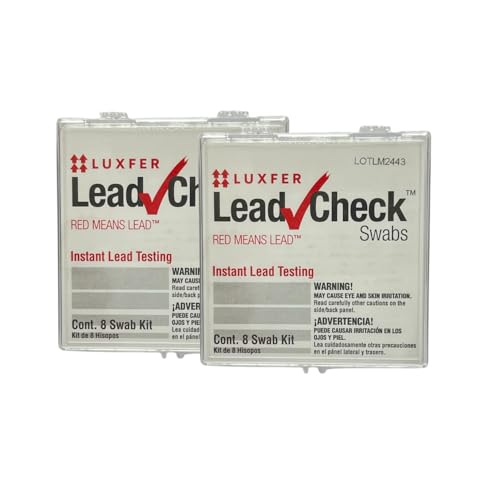
LeadCheck Swabs, Instant Lead Test, 8-Pack : Industrial & Scientific
Before testing painted areas for lead, prepare the surface by following these steps: Each 3M LeadCheck Swab <strong>contains two crushable vials, one with a lead-reactive dye, the other with a pre-mea

Quicksilver Scientific Liposomal Glutathione - Superior Absorption Oral Glutathione Supplement for Detox & Immune Support - Lemon Mint (1.7 fl oz)
<strong>Quicksilver Scientific Liposomal Glutathione</strong> - Superior Absorption Oral Glutathione Supplement for Detox & Immune Support - 100 mg of Liquid Glutathione, Gluten Free & Non-GMO
Evidence & Sources
Promising research with growing clinical support from multiple studies
- NIH National Center for Complementary and Integrative Health (NCCIH)
- Agency for Toxic Substances and Disease Registry (ATSDR)
- Centers for Disease Control and Prevention (CDC)
- American Academy of Clinical Toxicology
- New England Journal of Medicine
- JAMA
- Circulation
- Cochrane Database of Systematic Reviews
This content is for informational purposes only and does not constitute medical advice. Always consult a qualified healthcare provider before starting, stopping, or changing any supplement or medication regimen.