

Castor Oil Pack Therapy
Also known as: Castor Oil Packs, Ricinus Pack, Abdominal Castor Oil Pack
Overview
Castor oil pack therapy is a traditional home remedy and complementary wellness practice that typically involves soaking flannel or cotton in castor oil, placing it over the abdomen or another body area, and often applying gentle heat. It is commonly discussed in relation to digestive comfort, menstrual or pelvic discomfort, relaxation, lymphatic support, and “detox” routines. The oil used in these packs is usually derived from the seeds of Ricinus communis, a plant whose processed oil has long been used in both folk medicine and conventional pharmacology for specific purposes, particularly as a stimulant laxative when taken orally. In pack therapy, however, the oil is applied topically rather than ingested.
Interest in castor oil packs has persisted across naturopathic, integrative, and self-care communities for decades. Much of their modern popularity is linked to traditional naturopathic practice and to historical figures such as Edgar Cayce, who helped popularize the method in the United States. Contemporary users often describe castor oil packs as supportive for abdominal tension, menstrual cramping, constipation-related discomfort, scar tissue concerns, and general relaxation, though these uses are largely based on traditional practice, anecdotal reports, and small preliminary studies rather than large-scale clinical trials.
From a scientific standpoint, castor oil contains ricinoleic acid, a fatty acid believed to account for many of its biologic effects. Laboratory and pharmacologic research suggests ricinoleic acid may have anti-inflammatory, analgesic, and smooth-muscle-related effects in some contexts. However, an important distinction remains: evidence for oral castor oil does not automatically translate to evidence for castor oil packs applied to the skin. The extent to which topical application over a pack meaningfully changes deep tissue circulation, lymphatic function, organ activity, or systemic detoxification is not yet well established.
Overall, castor oil pack therapy occupies a space between traditional supportive care and emerging integrative practice. It is widely used, generally low cost, and often framed as a comfort-oriented ritual, but the research base remains limited. For that reason, discussions of castor oil packs are best grounded in a balanced view: they may offer subjective symptom relief and relaxation benefits for some individuals, while stronger claims about detoxification, lymphatic drainage, hormone balance, or internal organ cleansing remain insufficiently supported by high-quality evidence. People with ongoing abdominal pain, pelvic symptoms, skin reactions, pregnancy-related concerns, or chronic digestive issues are generally advised to discuss symptoms with a qualified healthcare professional rather than relying on home therapies alone.
Medical Perspectives
Two Ways of Seeing Health

Western
scientific · clinical
Western medicine applies science, technology, and clinical experience to treat symptoms through testing, diagnosis, and targeted intervention.

Eastern
traditional · alternative
Eastern medicine focuses on treating the body naturally by applying traditional knowledge practiced for thousands of years, emphasizing balance and whole-person wellness.
Gold Bamboo presents both perspectives side-by-side so you can make informed decisions. We don't advocate for one over the other — your health choices are yours.
Western Medicine Perspective
Western / Conventional Medicine Perspective
In conventional medicine, castor oil is best known for its oral laxative effect, which has been studied more extensively than topical use. The active component, ricinoleic acid, can stimulate intestinal motility when ingested. By contrast, castor oil pack therapy has a much smaller evidence base. Western clinicians and researchers generally view packs as a complementary comfort measure rather than a standard medical treatment. Interest centers on whether topical castor oil combined with warmth might influence pain perception, local circulation, relaxation, or inflammatory signaling, but definitive conclusions are limited by small sample sizes and inconsistent study design.
Some preliminary research and observational reports suggest potential benefit in areas such as constipation-related symptoms, osteoarthritis discomfort, menstrual pain, or general relaxation, though the quality of evidence is mixed. Heat therapy alone can reduce muscle tension and alter pain perception, making it difficult to separate the effects of the oil from the effects of warmth, rest, and the therapeutic ritual itself. Claims that castor oil packs significantly improve lymphatic drainage, detoxification, immune function, or internal organ cleansing are not well supported by mainstream clinical evidence at this time.
From a safety perspective, topical castor oil is often tolerated by many people, but skin irritation, allergic contact dermatitis, and mess-related contamination can occur. Conventional sources also note that abdominal or pelvic pain can sometimes reflect conditions requiring medical evaluation, such as infection, gallbladder disease, endometriosis, bowel obstruction, or gynecologic disorders. Because of this, western medicine generally frames castor oil packs as a nonstandard supportive practice that may have a role in self-care or integrative symptom management, while emphasizing that persistent or severe symptoms warrant professional assessment.
Eastern & Traditional Perspective
Eastern / Traditional Medicine Perspective
In traditional and integrative systems, castor oil pack therapy is often understood less as a targeted pharmaceutical intervention and more as a warming, softening, moving, and restorative external therapy. In naturopathic medicine, castor oil packs have historically been used to support the body’s self-regulatory processes, especially in relation to digestion, elimination, hepatic support, pelvic congestion, and relaxation of tension patterns. Practitioners may describe the therapy as encouraging circulation and assisting the body’s natural clearing mechanisms, though these concepts are often broader and more functional than the disease-specific framework used in biomedicine.
Within Ayurvedic traditions, castor oil has long been recognized for qualities associated with lubrication, downward movement, and elimination. External oil applications are often viewed as calming to tissues, supportive to the nervous system, and useful where there is dryness, stagnation, or discomfort. While the exact modern “castor oil pack” format is not identical across classical Ayurvedic texts, the broader therapeutic logic of warm oil application aligns with long-standing traditional practices intended to ease discomfort and encourage balance.
From a Traditional Chinese Medicine (TCM)-adjacent or East-West integrative perspective, warm external applications over the abdomen may be interpreted as helping to move stagnation, warm the middle, and ease constrained flow. In this framework, abdominal discomfort, menstrual tension, and feelings of blockage may be understood through patterns involving qi stagnation, cold, dampness, or impaired transformation and transport. Castor oil packs are not a core classical TCM therapy in the way that acupuncture or moxibustion are, but integrative practitioners may incorporate them in a supportive role because they fit the broader principle of using warmth and topical treatment to promote comfort and flow.
Traditional systems generally place castor oil packs within a larger therapeutic context that may include food-based support, manual therapies, rest, breath practices, and individualized constitutional assessment. This perspective tends to emphasize the therapy’s role in promoting comfort, circulation, and balance, while also recognizing that traditional use does not necessarily equal modern clinical proof. In integrative settings, practitioners often view castor oil packs as part of a broader wellness strategy rather than a stand-alone solution for complex disease.
Supplements & Products
Recommended Products
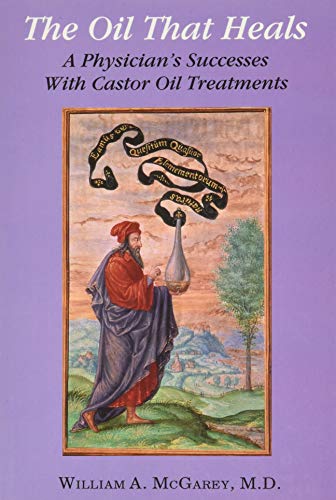
The Oil That Heals: A Physician's Successes With Castor Oil Treatments
McGarey reviews the history of castor oil and its use throughout the centuries, chronicles the research done at the A.R.E. Clinic, and details case histories in which he employed castor oil packs as a

HERITAGE STORE Organic Castor Oil - Glass Bottle - Nourishing Treatment for Hair and Skin - Eyelash Serum for Eyelashes, Brows, Castor Oil Packs - Cold Pressed, Hexane Free, Vegan 16oz : Massage Oils
Amazon.com : HERITAGE STORE Organic Castor Oil - Glass Bottle - <strong>Nourishing Treatment for Hair and Skin - Eyelash Serum for Eyelashes, Brows, Castor Oil Packs - Cold Pressed, Hexane Free, Vegan

QUEEN OF THE THRONES Castor Oil Pack for Liver (compress) - Heatless, Less-Mess, Reusable - Organic Cotton Flannel, Comfort Fit, Soft Straps & Naturopathic Doctor Designed (Castor Oil sold separately)
Your Queen of the Thrones Castor ... to chemical-bonding) to a middle layer of organic cotton flannel, and <strong>four 30” stretchy nylon straps</strong> that can wrap around and secure your pack in
Evidence & Sources
Early-stage research, mostly preclinical or preliminary human studies
- NCCIH (National Center for Complementary and Integrative Health)
- NIH MedlinePlus
- Journal of Ethnopharmacology
- International Journal of Toxicology
- Phytotherapy Research
- BMC Complementary Medicine and Therapies
- Cochrane Library
- World Health Organization (WHO) traditional medicine resources
This content is for informational purposes only and does not constitute medical advice. Always consult a qualified healthcare provider before starting, stopping, or changing any supplement or medication regimen.