

Candida Cleanse
Also known as: Yeast Cleanse, Candida Detox, Anti Candida Diet
Overview
A candida cleanse is a broad term used to describe a dietary, lifestyle, and supplement-based protocol intended to reduce the burden of Candida species—most commonly Candida albicans—in the body. In popular and integrative health settings, it is often discussed in connection with symptoms such as bloating, digestive discomfort, sugar cravings, fatigue, brain fog, recurrent vaginal yeast infections, oral thrush, and skin irritation. Many versions of a candida cleanse emphasize lowering intake of refined sugar and alcohol, temporarily removing certain foods, and using herbs, probiotics, or other products traditionally associated with supporting microbial balance.
From a medical standpoint, Candida is a normal commensal organism that commonly lives on the skin, in the mouth, in the gastrointestinal tract, and in the vaginal tract without causing disease. Problems arise when there is overgrowth in a specific body site or when the organism invades tissues, which is more likely in people with risk factors such as recent antibiotic use, diabetes, immune suppression, denture use, pregnancy, or hospitalization. Well-recognized clinical syndromes include vulvovaginal candidiasis, oral candidiasis, intertrigo, and invasive candidiasis. By contrast, the broader wellness concept of “systemic yeast overgrowth” in otherwise healthy individuals remains controversial and is not uniformly recognized in conventional medicine.
The popularity of candida cleanses reflects a larger interest in the gut microbiome, the effects of ultra-processed diets, and the relationship between microbial balance and symptoms that are difficult to categorize. Some clinicians in functional and integrative medicine use the term to describe a structured program designed to reduce factors that may promote fungal imbalance while supporting digestion, immunity, and metabolic health. However, protocols vary widely, and there is no single standardized candida cleanse validated across clinical research.
A balanced view is important. Research strongly supports treatment of documented candidiasis with appropriate diagnosis and conventional antifungal therapy when indicated. At the same time, some components often included in candida cleanse programs—such as reducing excess sugar intake, limiting alcohol, improving dietary quality, and studying probiotics or certain botanicals—are areas of active interest. Because symptoms attributed to Candida can overlap with irritable bowel syndrome, food intolerance, dysbiosis, diabetes, dermatologic conditions, or sexually transmitted and other infections, evaluation by a qualified healthcare professional is important when symptoms are persistent, recurrent, or severe.
Medical Perspectives
Two Ways of Seeing Health

Western
scientific · clinical
Western medicine applies science, technology, and clinical experience to treat symptoms through testing, diagnosis, and targeted intervention.

Eastern
traditional · alternative
Eastern medicine focuses on treating the body naturally by applying traditional knowledge practiced for thousands of years, emphasizing balance and whole-person wellness.
Gold Bamboo presents both perspectives side-by-side so you can make informed decisions. We don't advocate for one over the other — your health choices are yours.
Western Medicine Perspective
Western Medicine Perspective
In conventional medicine, the key distinction is between confirmed candidiasis and nonspecific symptoms attributed to presumed yeast overgrowth. Western medicine recognizes Candida as an opportunistic fungus that can cause disease in specific settings. Diagnosis depends on the location and presentation: clinicians may use physical examination, microscopy, culture, biopsy, or other laboratory testing for oral thrush, vaginal yeast infections, skin infections, or invasive disease. Evidence-based care generally focuses on identifying the affected body site, confirming the organism when appropriate, and considering underlying contributors such as antibiotics, corticosteroids, uncontrolled blood sugar, pregnancy, immunocompromise, or medical devices.
From this perspective, the concept of a generalized candida cleanse has limited direct clinical validation. Mainstream guidelines do not broadly endorse restrictive anti-candida diets or supplement protocols as standard treatment for people without diagnosed fungal infection. Reviews and expert statements have noted that symptoms such as fatigue, bloating, and sugar cravings are nonspecific and can have many causes. While high-sugar dietary patterns may influence metabolic health and potentially affect microbial ecology, this does not necessarily establish that a cleanse reverses systemic Candida-related illness in otherwise healthy individuals.
That said, certain elements often incorporated into candida cleanse programs overlap with accepted health principles. Diets lower in added sugars and refined carbohydrates, moderation of alcohol, and attention to overall nutritional quality may support general metabolic and digestive health. Probiotics have been studied for some Candida-related contexts—especially prevention of recurrent vulvovaginal candidiasis or oral Candida colonization—but findings are mixed and strain-specific, and evidence is not strong enough to frame them as a universal solution. Botanicals such as oregano oil, berberine-containing herbs, caprylic acid, garlic, and undecylenic acid are frequently marketed for antifungal support, but human clinical data are generally limited, heterogeneous, or preliminary.
In conventional care, persistent symptoms warrant a careful differential diagnosis rather than assuming Candida is the cause. Recurrent vaginal symptoms may require testing because bacterial vaginosis, dermatitis, cytolytic vaginosis, and sexually transmitted infections can mimic yeast infection. Digestive complaints may reflect IBS, SIBO, celiac disease, inflammatory bowel disease, medication effects, or food intolerance. This is one reason Western medicine tends to approach candida cleanse claims cautiously, even while acknowledging that some lifestyle changes associated with these protocols may have broader wellness value.
Eastern & Traditional Perspective
Eastern and Traditional Medicine Perspective
In Traditional Chinese Medicine (TCM), symptoms commonly associated with Candida are not typically framed as a single yeast-centered diagnosis. Instead, practitioners may interpret recurrent discharge, itching, bloating, coated tongue, fatigue, or digestive heaviness through pattern-based concepts such as dampness, damp-heat, spleen qi deficiency, or heat toxin. The emphasis is on restoring internal balance, supporting digestion and transformation of fluids, and addressing environmental and dietary factors believed to contribute to excess dampness—often including rich foods, sweets, alcohol, and chronic stress. Herbal formulas, acupuncture, and food therapy are traditionally selected according to the individual pattern rather than a one-size-fits-all cleanse.
In Ayurveda, recurrent fungal or yeast-like tendencies may be viewed through the lens of agni (digestive fire), ama (metabolic waste or toxic residue), and imbalances involving Kapha and sometimes Pitta. Symptoms such as heaviness, sluggish digestion, itching, coating, and recurrent mucosal irritation may be understood as reflecting impaired digestion and excess moisture or heat. Traditional approaches often focus on simplifying the diet, supporting digestive function, and using herbs historically associated with balancing microbial excess and promoting tissue resilience. The Ayurvedic framework is holistic and individualized, with attention to constitution, season, stress, sleep, and bowel regularity.
In naturopathic and functional medicine traditions, candida cleanse protocols are often integrated into larger gut restoration models. These may include temporary dietary modification, support for digestion, probiotic use, and selected botanicals traditionally used for antimicrobial or antifungal purposes. The rationale is often that modern factors—high sugar intake, frequent antibiotic exposure, chronic stress, and disrupted microbiome ecology—may create conditions favorable to yeast imbalance. While this framework resonates with many patients, the scientific support for broad cleanse protocols remains variable, and much of the traditional rationale is extrapolated from historical use, in vitro findings, or practitioner experience rather than large randomized trials.
Across Eastern and traditional systems, an important theme is that recurring symptoms are seen as a sign of systemic imbalance rather than an isolated pathogen problem. This differs from conventional pathogen-focused treatment but can complement modern care when used responsibly. Integrative approaches generally place value on individualized assessment and on collaboration with licensed healthcare professionals, especially when symptoms are recurrent, severe, or potentially related to underlying medical conditions.
Supplements & Products
Recommended Products

The Candida Cure Cookbook: Delicious Recipes to Reset Your Health and Restore Your Vitality: Boroch, Ann
The Candida Cure Cookbook is <strong>filled with the recipes, resources, and tips you need to take control of one of the most important yet overlooked obstacles to optimal health: candida, or yeast, o
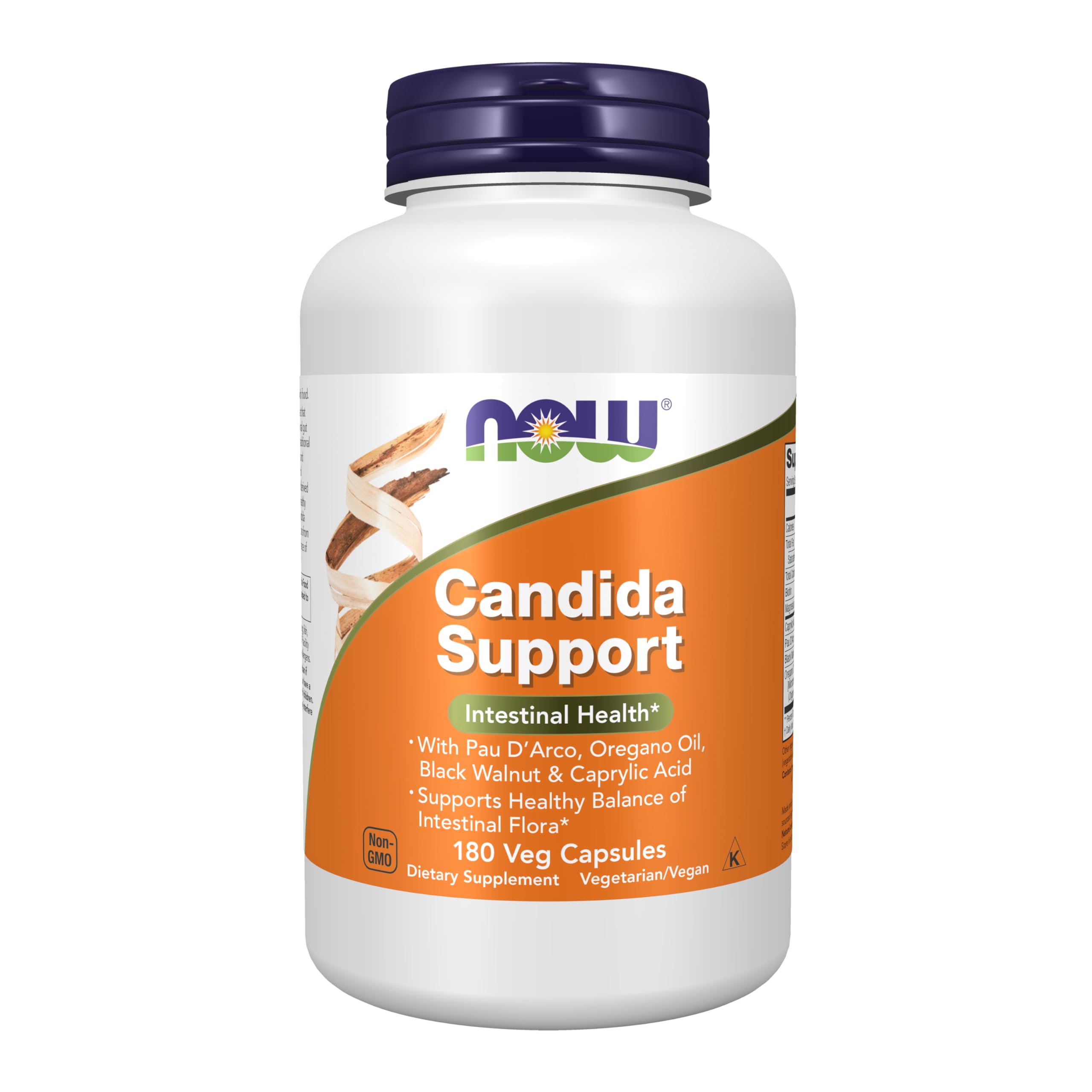
NOW Foods Supplements, Candida Support with Pau D'Arco, Oregano Oil, Black Walnut & Caprylic Acid, 180 Veg Capsules : Everything Else
NOW Supplements, Bacillus Support with Pau D'Arco, Oregano Oil, Black Walnut & Caprylic Acid, 90 Veg Capsules · inGreens 11-in-1 Candida Support Supplement, Antifungal Overgrowth, Intestinal

Jarrow Formulas Saccharomyces Boulardii + MOS Probiotics for Digestive Health and Intestinal Tract Support - 5 Billion CFU Per Serving - 90 Delayed Release Caps - Probiotic + Prebiotic - 90 Servings
<strong>Each capsule delivers 5 billion CFU of Saccharomyces boulardii, a probiotic yeast shown to help support gut health and the intestinal tract</strong>.(1) This supplement also provides MOS (mann
Evidence & Sources
Early-stage research, mostly preclinical or preliminary human studies
- Centers for Disease Control and Prevention (CDC) – Candidiasis
- National Center for Complementary and Integrative Health (NCCIH)
- Infectious Diseases Society of America (IDSA) Clinical Practice Guideline for the Management of Candidiasis
- Clinical Microbiology Reviews
- The Lancet Infectious Diseases
- Nature Reviews Gastroenterology & Hepatology
- Cochrane Database of Systematic Reviews
- World Health Organization (WHO)
- Journal of Fungi
- Frontiers in Microbiology
This content is for informational purposes only and does not constitute medical advice. Always consult a qualified healthcare provider before starting, stopping, or changing any supplement or medication regimen.